
Living a short cycle ride from Zaanse Schans, I’ve watched the village change character across the year more than most visitors realize from a single trip.
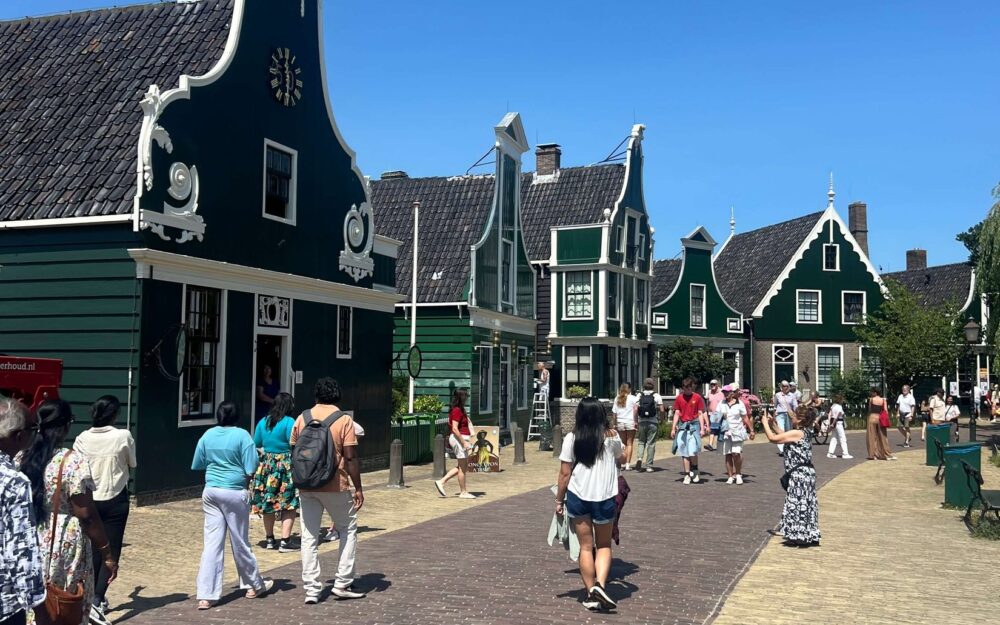
I track this almost without meaning to — cycling past on errands, I notice instantly whether it’s a “quiet Tuesday in February” crowd or a “37 coaches by 11 AM in July” crowd. The difference in atmosphere between January and July at this exact same site is more dramatic than almost any other destination I know. Same windmills. Completely different place.
The windmills themselves are there year-round, but everything else — crowd density, which interiors are open, how the light falls on the water — shifts noticeably by season. Here’s what to actually expect each month.
Zaanse Schans by Season at a Glance
| Season | Crowds | Windmill Access | Best For |
|---|---|---|---|
| Spring (Mar–May) | Rising | Full hours | Tulip season add-on, mild weather |
| Summer (Jun–Aug) | Peak | Full hours, longest queues | Warm-weather travelers, families on school holiday |
| Autumn (Sep–Nov) | Moderate, easing | Full hours into October | The best overall balance |
| Winter (Dec–Feb) | Low | Reduced, some closures | Photography, quiet visits, possible ice/snow scenes |
Spring (March–May): Waking Up After Winter
March still carries a chill, but by April the village grounds turn green again and all windmill interiors reopen to full operating hours. This is also when Amsterdam’s tulip season is in full swing nearby, making it tempting to combine a Zaanse Schans morning with an afternoon at Keukenhof — though that’s an ambitious single day, better split across two if your schedule allows.
May is where spring really pays off: reliably mild temperatures, full windmill access, and crowds that haven’t yet hit the summer peak. It’s consistently one of the two months I’d recommend most.
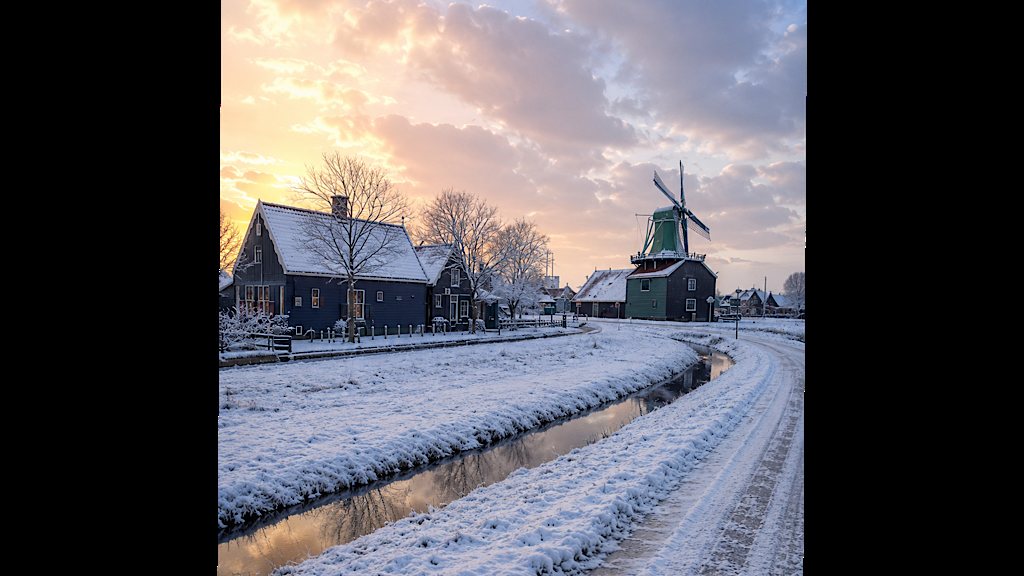
A quiet winter morning at Zaanse Schans, with frost over the village.
Summer (June–August): Beautiful but Busy
Summer brings the warmest, most reliable weather and the longest daylight, but also the heaviest tour bus traffic of the year. European school holidays push family travel into this window, and the village’s relatively compact size means crowding is more noticeable here than in a larger city attraction.

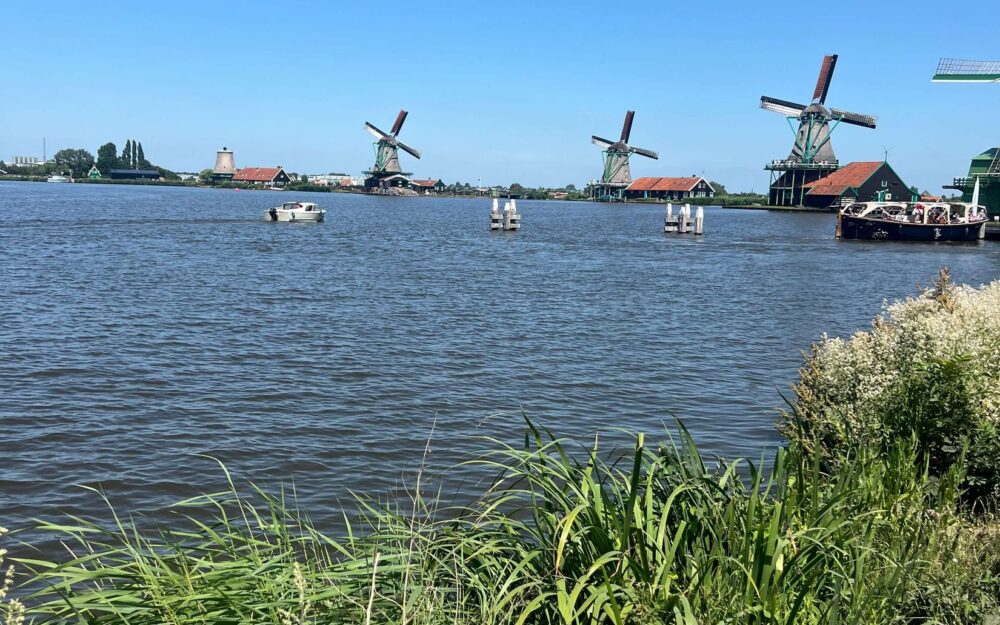
Golden hour over the Zaan, with the windmills catching the last light.
Autumn (September–November): The Local’s Choice
September is genuinely my top recommendation if you can only pick one month. Crowds thin out meaningfully once school holidays end, the weather often holds warm through the first half of the month, and windmill hours remain full. October brings cooler air and a different, golden quality of light over the water that photographers tend to love. By November, some interiors begin shifting toward reduced winter hours.

A quiet residential street in Zaandijk, a short walk from Zaanse Schans.
Winter (December–February): Quiet and Atmospheric
The open-air grounds stay open year-round, including through winter, but several windmill interiors and parts of the cheese farm operate on reduced hours, with a few closing entirely during the coldest weeks. What you trade in access, you gain in atmosphere — winter visits are dramatically quieter, and on the rare occasion of snow or a hard frost, the village takes on a genuinely different character that summer visitors never see.

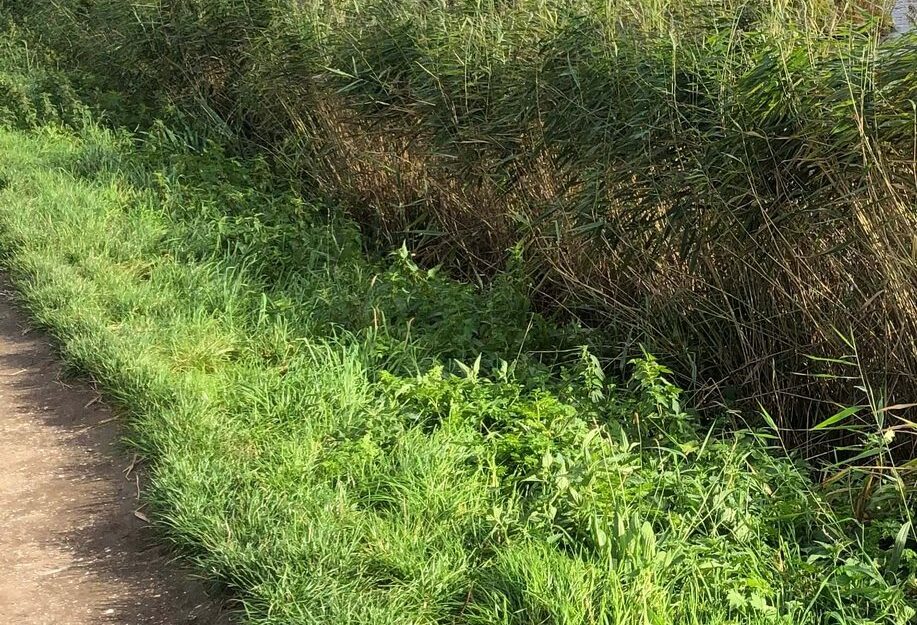
The same stretch of river, a little further along.
How to Choose Based on Your Priorities
Best overall balance: September. Full access, thinning crowds, comfortable weather.
Combining with tulip season: Mid-April, paired with a separate day for Keukenhof.
Photography, quiet paths: Any weekday in winter, ideally after a cold snap.
Traveling with school-age kids: July-August is often unavoidable, so plan an early arrival to offset the crowds.
Avoiding crowds at any cost: A weekday in late October or February, well outside both summer and major Dutch holiday periods.
Month-by-month decisions: what changes for your itinerary?
January and February suit visitors who want uncluttered views and do not mind the possibility of shortened opening hours. The outdoor lanes remain part of the landscape, but an indoor windmill visit must be checked separately: a public footpath being accessible does not mean a ticketed workshop is operating. Daylight is limited, so choose a late-morning to early-afternoon visit rather than building an itinerary around a winter sunset with no time left to get home. Wind can make exposed paths feel colder than the temperature on a city weather app suggests.
March and April bring more daylight and variable weather. Tulip fields are a separate landscape, not a permanent floral display beside every windmill; the timing and condition of blooms depend on the season and on agricultural work. If flowers are essential to your trip, plan the flower area as a separate stop and check the rules for walking near private fields. May is often attractive for a longer daylight window, yet public holidays and school breaks can make a particular weekday busier than an ordinary summer day. Compare the calendar, not only the month.
June, July and August provide long evenings and the greatest flexibility for outdoor wandering, but the active visitor area can feel very different from the nearby residential streets of Zaandijk. A crowd-free photo is not guaranteed by arriving at an arbitrary clock time: transport arrivals, group tours and weather all change the scene. If you intend to enter a working mill, verify that mill’s own hours and current ticket rules before deciding on a very early visit. An early outdoor walk followed by a later interior visit can be a good compromise, but you should be prepared for some waiting.
September often gives a useful balance of daylight and a post-holiday rhythm; October can bring attractive light and rain in the same afternoon. November and December call for a more weather-led plan: commit to one indoor stop, leave room for warm food and avoid scheduling several separate buildings with little protection between them. A forecast of rain is not the same as a forecast of dangerous wind; when both are present, an exposed bridge or slippery wooden path may not be suitable for every visitor. See our rainy-day guide and winter guide for alternatives.
How to plan around windmill opening times
Each mill is an individual working site with its own purpose, staff, weather constraints and visitor arrangements. A mill may look impressive with its sails turning yet still be unavailable for an indoor tour. Decide whether you care most about exterior photography, a machinery demonstration or a museum visit; then verify that activity, not simply the broad opening statement for the entire area. The site operator and the specific windmill’s booking information are the appropriate places to check current access.
For a half-day from Amsterdam, reserve time for the walk from Zaandijk Zaanse Schans station and for returning to the platform. A clear itinerary has a primary activity and an optional one: if a working mill is closed, choose a second open attraction rather than counting the whole trip as lost. Families who need an accessible interior should check stairs and thresholds in advance, since historic working mills are not equivalent to modern museum buildings. If you’re still deciding when to visit, our time-of-day guide looks at the arrival window rather than seasonal differences.
🙋 Frequently Asked Questions (FAQ)
What is the best month to visit Zaanse Schans?
May and September offer the best balance of mild weather, full windmill operating hours, and crowds lighter than the July-August peak. April adds the bonus of nearby tulip season if combined with a trip to Keukenhof.
Is Zaanse Schans open in winter?
Yes, the open-air village grounds are open year-round, including winter, though some windmill interiors and the cheese farm may operate reduced hours, and a few mills close entirely during the coldest weeks.
What month has the worst crowds at Zaanse Schans?
July and August see the heaviest tour bus traffic and the largest midday crowds, driven by European school holidays. Arriving before 9:30 AM is especially important during these two months.
Does it ever snow at Zaanse Schans?
Snow is possible but not guaranteed most winters in this part of the Netherlands. When it does happen, it transforms the village into one of the most photogenic times to visit, though you’ll want to check ahead, since some windmill interiors close during the harshest cold spells.
Final Recommendation
Whatever month you choose, pair the timing advice here with our separate guide on how many hours you actually need on-site, since the ideal visit length shifts slightly depending on which windmills and museums are open that season.
Plan Your Visit
🎟️ Windmill & museum tickets: dezaanseschans.nl
🚂 Train & transit tickets: ns.nl
🏨 Compare accommodation prices: Booking.com
🗺️ Organised day trips & tours: GetYourGuide
🌍 Spanish-language tours & activities: Civitatis
Sources: dezaanseschans.nl | KNMI | Personal observation — Zaanstreek, Noord-Holland | Details can change; check the linked official sources before booking