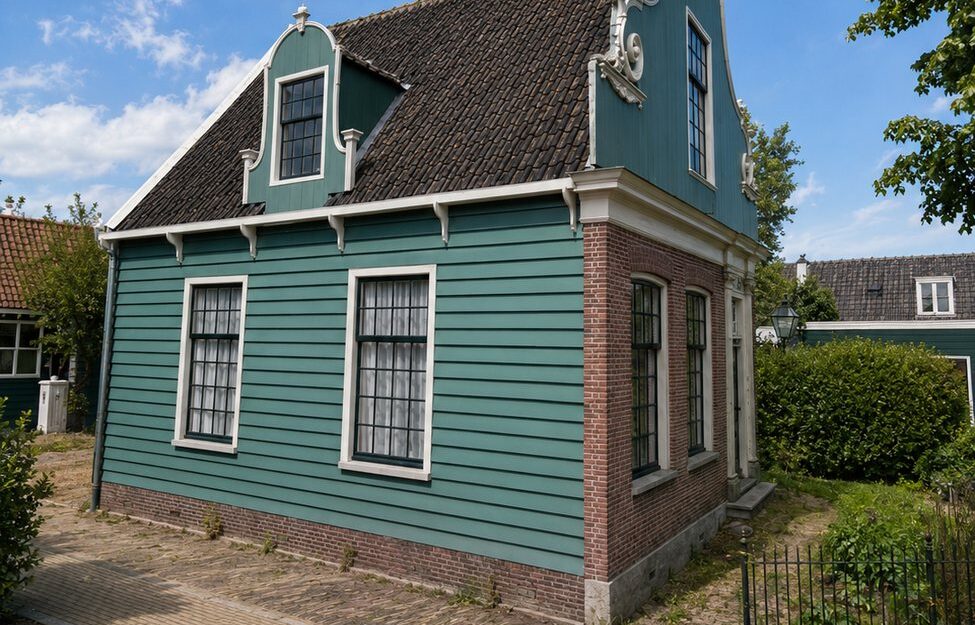
Haarlem’s central position between Amsterdam and the bulb fields is one of its most practical advantages during tulip season.
The direct bus connection makes Haarlem a far better starting point for Keukenhof than trying to squeeze it in alongside Amsterdam’s own sightseeing.
Route Overview
| Leg | Mode | Time |
|---|---|---|
| Amsterdam → Haarlem | Direct train | ≈ 17 min |
| Haarlem → Keukenhof | Seasonal direct bus | ≈ 30–40 min |
| Keukenhof → Haarlem | Same seasonal bus (return) | ≈ 30–40 min |
How to Combine Haarlem and Keukenhof
Morning: Arrive in Haarlem by train from Amsterdam. Walk the Grote Markt, visit the Teylers Museum or Frans Hals Museum, and have lunch.
Early afternoon: Board the direct seasonal bus to Keukenhof.
Afternoon at Keukenhof: The gardens are at their best in early to mid-April — allow at least 2-3 hours to see the main sections without rushing.
Evening: Return bus to Haarlem, then train back to Amsterdam.
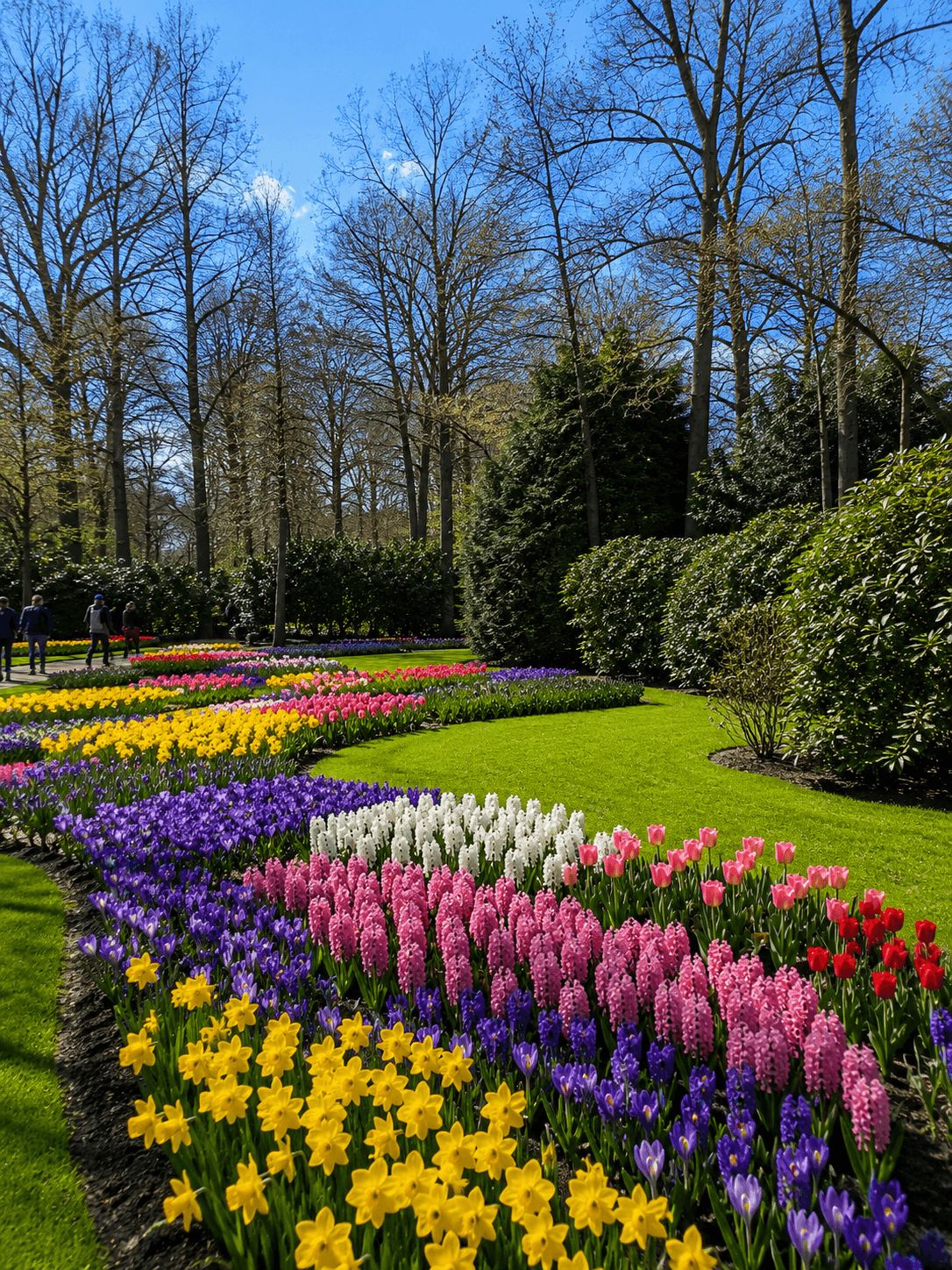
The curving flowerbeds that give Keukenhof its layered colour.
When Is Keukenhof Open?
Keukenhof officially lists 18 March through 9 May as its opening period for 2027. Outdoor bulb-field bloom and the most colourful individual displays still depend on the weather and the crop; consult the current bloom report.

A quiet reflecting pond framed by early-season crocus beds.
Driving Instead of the Bus
Driving directly from Haarlem to Keukenhof is straightforward, with ample parking at the gardens. This makes more sense if you’re combining the trip with a drive through the bulb fields around Lisse to see the striped flower rows from a car, which isn’t possible by bus.
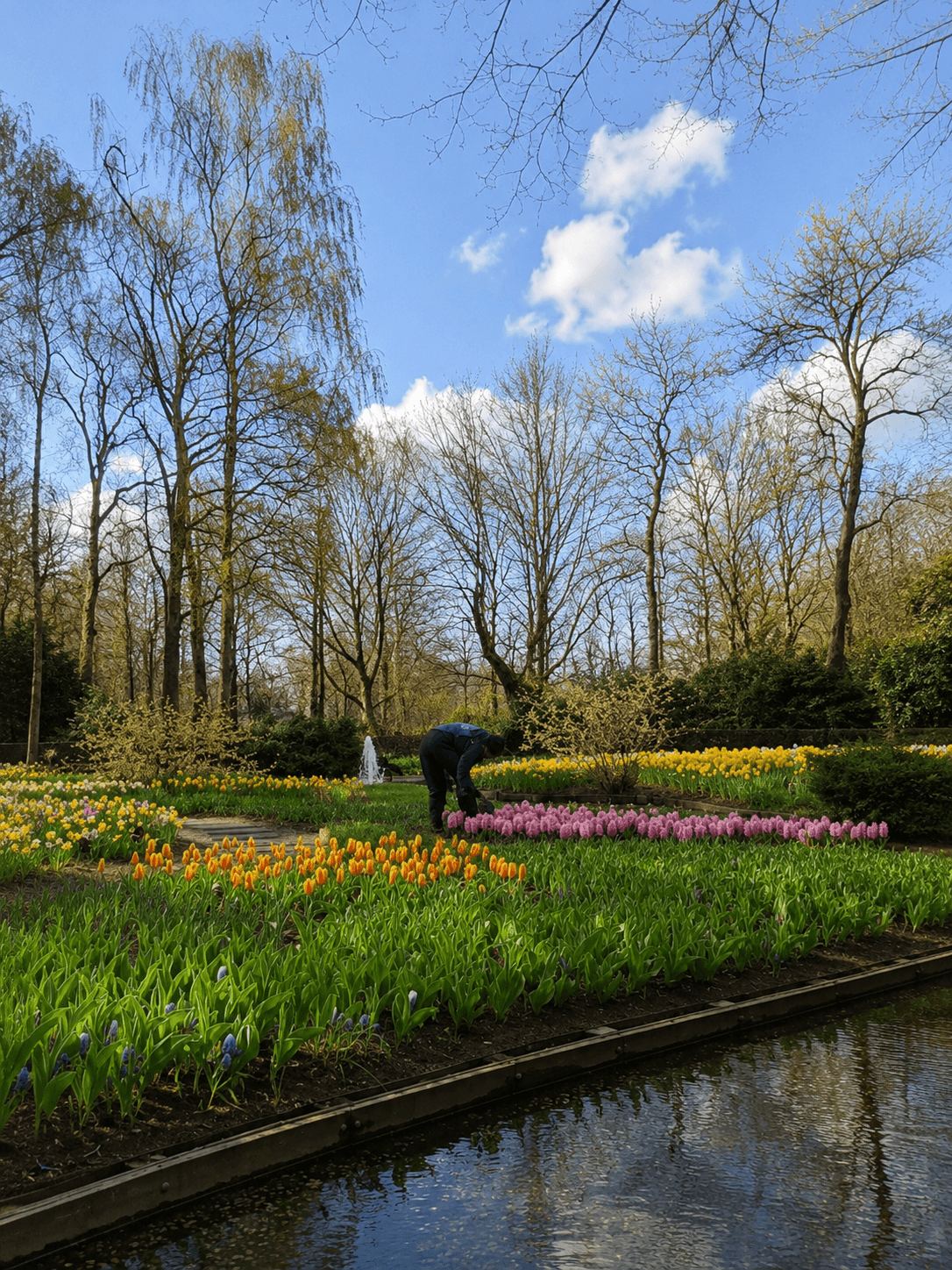
The daily upkeep behind Keukenhof’s famously tidy flowerbeds.
Plan the Haarlem and Keukenhof combination in the right order
Keukenhof is in Lisse rather than central Haarlem, so combining the two involves a transfer and two separate visitor experiences. If flowers are the principal reason for the trip, book a timed Keukenhof entrance first and fit a shorter Haarlem walk around it. If you mainly want to explore Haarlem, use the park as an optional second stop and be realistic about the bus connection. Check your departure point and the official Keukenhof journey planner for your actual date; seasonal bus routes, stop locations and combined tickets may change between seasons. Arriving at Haarlem station does not mean there will be one permanent year-round bus number with a guaranteed journey time. Leave a generous transfer margin if you have a fixed entry slot. A practical day includes time for food, toilets and the journey back, not just the minutes spent inside each destination.
The confirmed Keukenhof dates for 2027
Keukenhof’s official website lists the 2027 season as 18 March through 9 May. That is a confirmed park opening window, not a promise that every outside field will be in full bloom throughout the entire period. Displays in the gardens are planted for a succession of colour; agricultural fields around Lisse follow crop and weather conditions, which vary each year. The official site also publishes ticket details and bus-combination options as the season approaches. Buy through the official booking channels and read the cancellation or amendment conditions for your specific product. On a late-spring visit, check the park’s bloom updates rather than choosing dates from photographs taken in a different year. If your holiday falls outside the park’s opening window, devote your day to Haarlem or another year-round destination instead of travelling to the closed gardens.
A practical morning in Haarlem
A compact route starts at Haarlem station, continues towards the Grote Markt and includes one canal-side or riverside stretch before lunch. Add an indoor museum only if you have enough time and a confirmed entrance slot; the historic centre alone rewards a couple of hours of unhurried walking. A coffee break before the transfer to Lisse can be useful on a day with changeable weather. If you need to carry luggage, investigate storage rules in advance rather than assuming a museum or coach will hold it. For families, remember that the Keukenhof visit itself will involve substantial walking, so a long shopping detour in Haarlem may make the later park visit tiring. A shorter city walk and an earlier meal are often more sustainable than an ambitious list of attractions at both ends of the day.
How to avoid a stressful transfer
Check the exact boarding location and timetable shortly before travel. Seasonal Keukenhof buses can be busy at popular departure times, and a combination ticket may specify which carriers or services are valid. Do not assume that any ordinary city transport ticket covers the entire journey. If you travel by car, consult Keukenhof’s official parking rules: its site states that parking requires a pre-purchased parking token. Avoid promising a free roadside space or parking in farm entrances. Drivers should also consider that city-centre Haarlem parking has its own rules, so using one parking spot for both destinations may not be the simplest solution. Compare the cost and convenience of public transport against driving for the actual group size, while allowing time for road traffic and getting to and from the parking area.
What to see at Keukenhof without rushing
Once you enter, choose a general loop through the outdoor displays and include an indoor pavilion if weather or seasonal flower conditions suggest it. The park is extensive enough that trying to photograph every bed can turn the visit into a march. Look for contrasts in planting style, water, trees and different flower varieties rather than concentrating only on the biggest tulip displays. Allow a break when the paths become busy, and carry a water bottle and suitable footwear. If you have mobility requirements, review current accessible routes and wheelchair information on the park website before arriving. Keep the difference between the landscaped park and commercial production fields clear: the ticket is for the park, not a permission to enter growers’ land. The official visitor information is also the right source for any special conditions applying to an assistance dog or mobility device.
An alternative when you have only half a day
If your schedule is tight, choose either a proper Keukenhof visit or a relaxed Haarlem city walk instead of giving each destination a rushed ninety minutes. The park demands travel and admission; Haarlem works as a flexible stop on a rail journey. Families with young children or travellers facing a long flight may get more value from choosing just one. For alternatives near Haarlem, see our day trips from Haarlem article. For more detailed flower-field planning, our tulip fields guide distinguishes public roads from private fields. Decide which version of the day you want before buying transport bundles, especially when changing your plan could leave you with a non-refundable timed ticket.
Questions to answer the evening before your visit
Confirm that your Keukenhof ticket is valid for the chosen entrance window, locate the correct seasonal bus stop and check whether your public transport ticket includes the connection you intend to use. Review the forecast for both Haarlem and Lisse, because a breezy garden walk requires more layers than a sheltered city café. Decide where you will eat and whether you have time to visit a museum in Haarlem without racing to a bus. If your party includes a stroller or someone with restricted mobility, read the venue’s current accessibility guidance instead of assuming every path and vehicle is identical. Charge your phone, save your booking confirmations and note a sensible return connection. With the administrative details settled, you can enjoy the canals and flowers rather than spending the day searching for the next departure.
🙋 Frequently Asked Questions (FAQ)
How do you get from Haarlem to Keukenhof?
During Keukenhof’s confirmed 2027 season (18 March to 9 May), consult the official seasonal-bus planner for the stop, service and travel time that apply on your chosen date.
Is Haarlem a good base for visiting Keukenhof?
Yes — Haarlem sits between Amsterdam and Keukenhof and has a direct seasonal bus connection, making it one of the most practical bases for combining both a Dutch city visit and tulip season gardens.
Can you combine Haarlem and Keukenhof in one day?
Yes, though it makes for a full day. The typical approach is Haarlem in the morning and Keukenhof in the afternoon, with the bus connecting the two directly during the season.
Should I buy Keukenhof tickets in advance?
Yes — daily visitor numbers are limited and tickets regularly sell out, especially on weekends in peak bloom. Always book before your visit date.
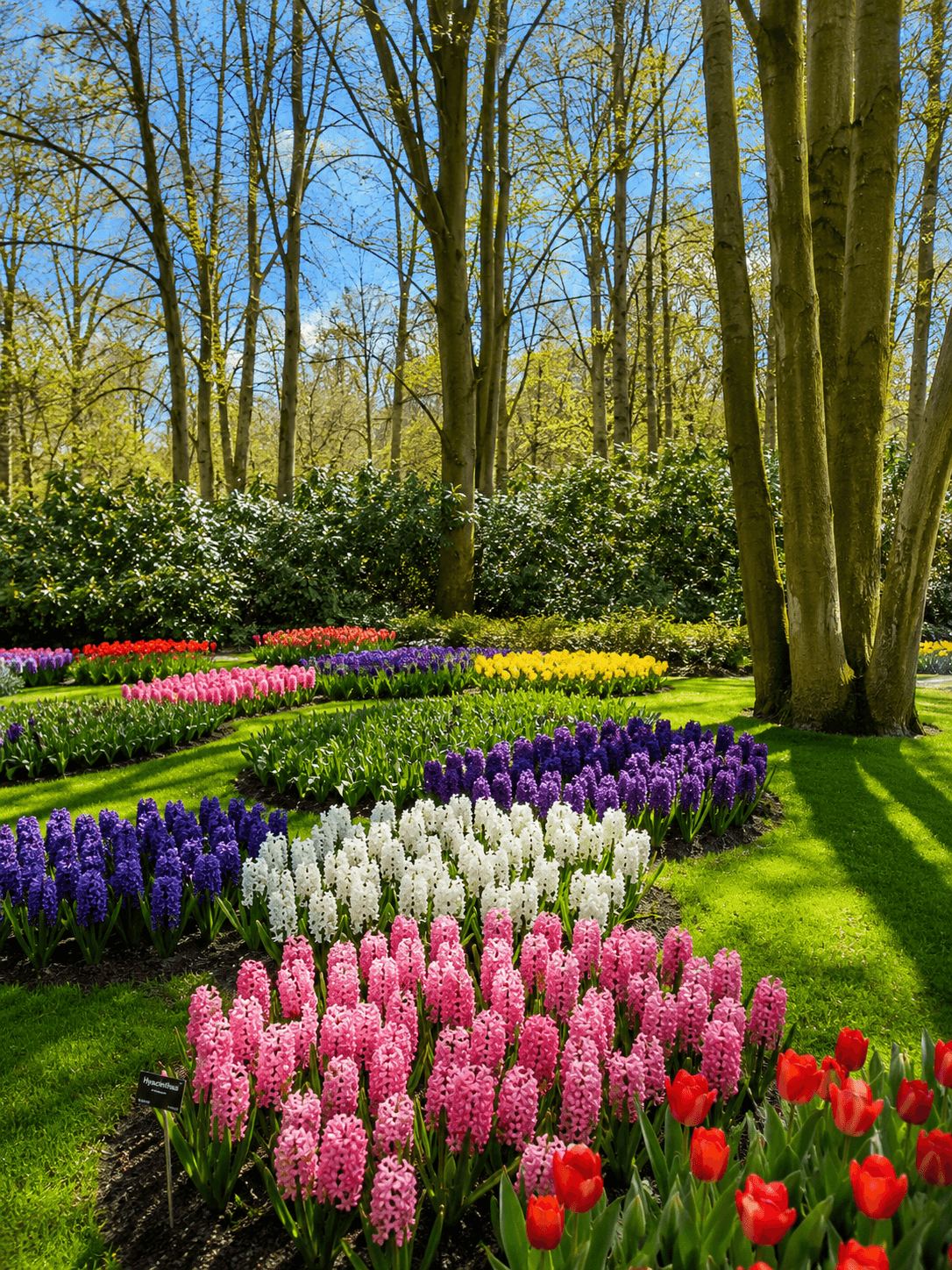
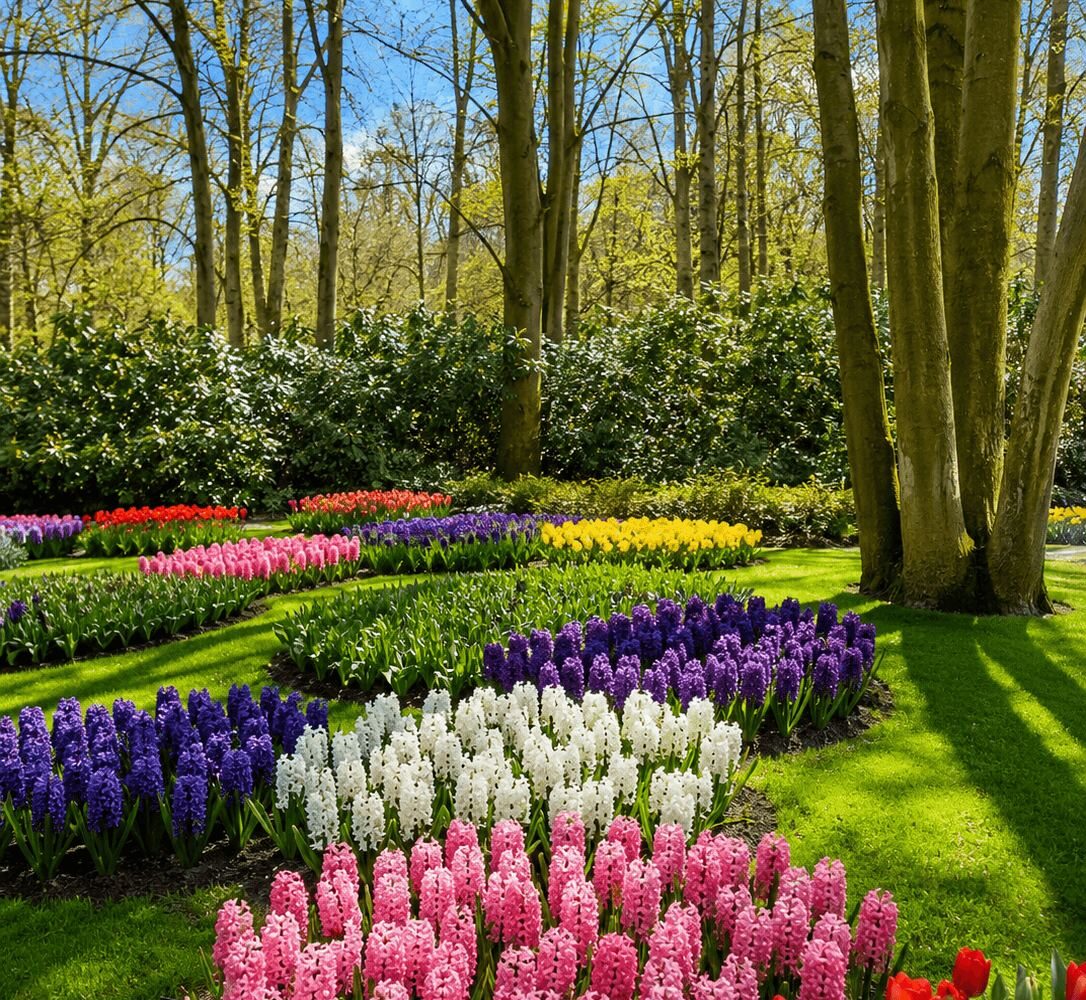
Hyacinths in full bloom, one of Keukenhof’s most fragrant displays.
Final Recommendation
For more on Haarlem itself, see our is Haarlem worth visiting guide.
Plan Your Visit
🌷 Keukenhof tickets: keukenhof.nl
🚌 Bus schedules: 9292.nl
🚂 Train & transit tickets: ns.nl
🏨 Compare accommodation prices: Booking.com
🗺️ Organised day trips & tours: GetYourGuide
🌍 Spanish-language tours & activities: Civitatis
Sources: keukenhof.nl | haarlem.nl | ns.nl| Details can change; check the linked official sources before booking