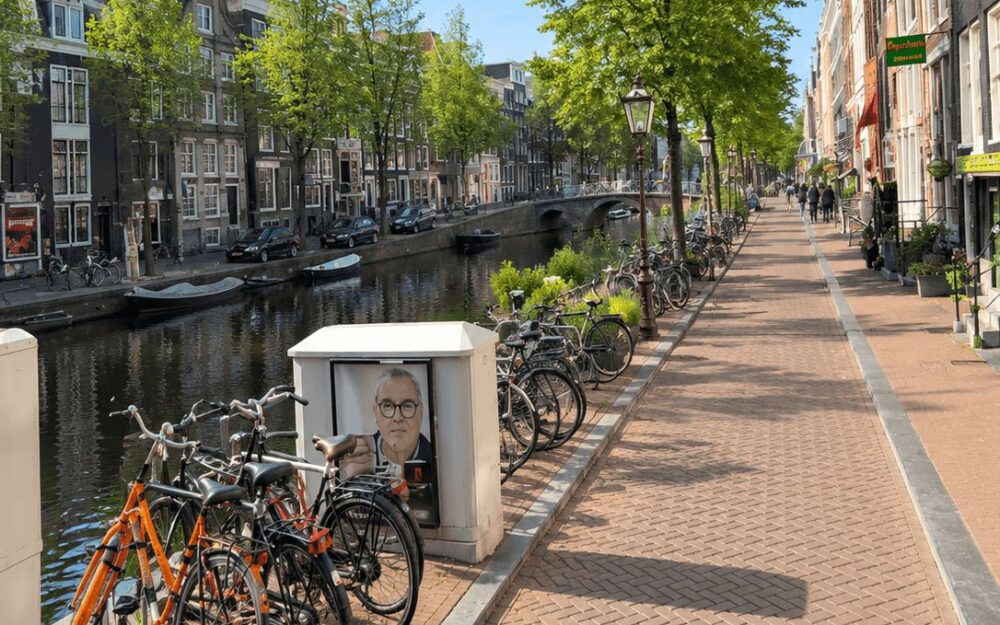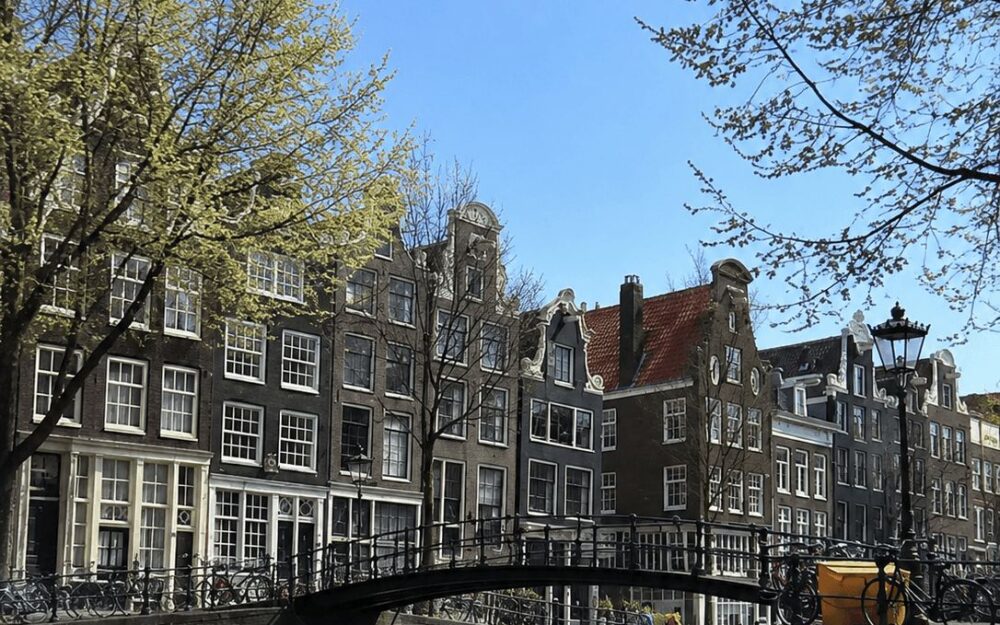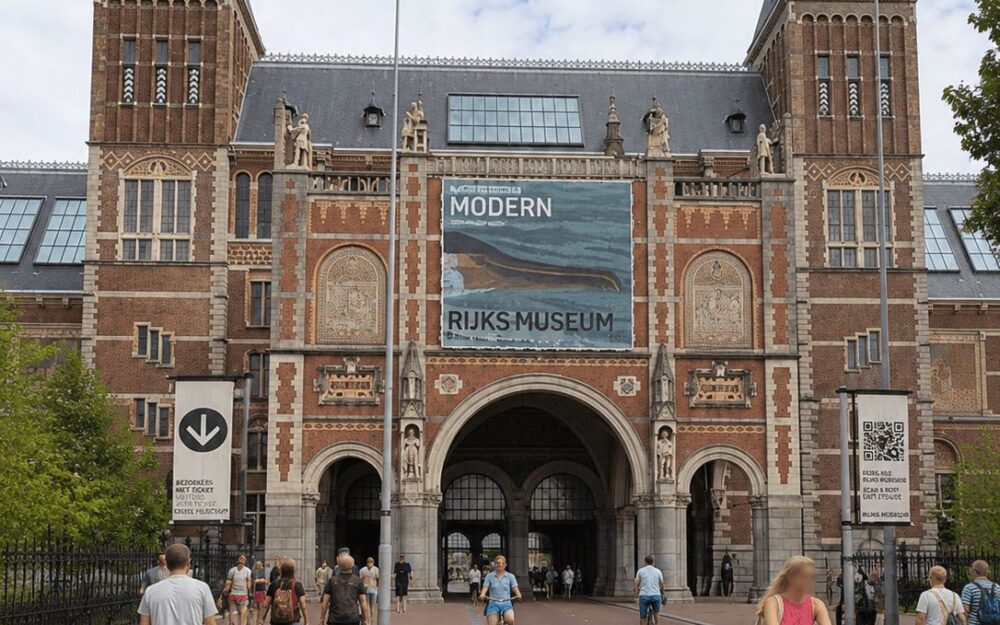

The gap between “what’s on the tour bus circuit” and “what’s actually worth experiencing” in Noord-Holland is larger than most visitors realise — and I say this as someone who lives in Zaandijk, 300 metres from where tour buses turn around after Zaanse Schans, and who watches this pattern daily. This guide maps the territory that organised tourism reliably skips — and why those places are often the best of what the region offers.
Why Tour Buses Go Where They Go
Organised tourism has specific logistical requirements: large coach-parking facilities, enough capacity to process 50+ visitors simultaneously, facilities (toilets, cafés) for groups, and recognisable names that show up in marketing materials. Most of the genuinely interesting places in Noord-Holland don’t meet these criteria, which is exactly what makes them worth visiting.
The Places They Reliably Skip
Broek in Waterland
20 minutes from Amsterdam by bus, unquestionably beautiful, zero coach infrastructure. The painted wooden houses along quiet waterways are exactly the kind of traditional Dutch aesthetic that tour operators sell imagery of while routing coaches to more commercially developed alternatives. The irony is complete and the benefit for independent visitors is real — you can stand in front of one of the most photographically striking streetscapes in the Netherlands with essentially no one else around on a typical weekday morning.
Zaandijk: The Real Village
Tour buses stop at Zaanse Schans and discharge their passengers, who walk the curated 800-metre loop and reboard. None of them cross the Julianabrug bridge into the actual village of Zaandijk, just 300 metres away by foot, where the same green wooden house architecture lines a real working street rather than a curated open-air museum. I have never seen a tourist on the Lagedijk on a weekday morning in three years of living here. The architecture is the same. The character is entirely different — inhabited rather than preserved. The contrast in atmosphere between the two sides of that bridge is immediate and complete — Zaanse Schans crowds to Zaandijk quiet in under a five-minute walk.
Monnickendam
A harbour town 25 minutes from Amsterdam, passed by every coach on the way to Volendam without stopping. No facilities for tour groups means no tour groups. The historic harbourfront and smoked eel stall by the water are worth the stop.
The Ilperveld Marshes
The protected marshland directly north of Amsterdam, 15 minutes by bike from the city’s edge, is unknown to organised tourism because it offers nothing that groups can consume in a defined time slot. It’s a genuine wetland nature reserve with ancient peat landscapes, birdlife, and a stillness that feels extraordinary given its proximity to the city.
Westzaan and the Western Polder
The polder landscape west of the Zaan river — Westzaan, Jisp, Knollendam — is traversed only by cycling and walking routes. No coaches pass through; the roads are too narrow and the destinations too diffuse. A cycling day through this landscape in summer, with wide skies reflected in narrow canals and almost total silence except wind and birds, is the kind of experience that makes people understand what “typical Dutch landscape” actually means rather than just what it looks like in photographs.
Edam: Volendam’s Quieter Sibling
Edam sits 3 km from Volendam along roads coaches regularly travel, and yet almost none of them stop — coaches go to Volendam, not Edam, in a logic that’s entirely circular: coaches go there because coaches go there, not because it’s inherently superior to alternatives. I grew up nearby and Edam was the market town where we bought cheese on Saturday mornings from a man who knew my grandmother’s name. The same family still runs a stall there. Edam is the more beautiful of the two by most measures — genuine historic canal streets, a smaller and more authentic weekly cheese market in summer, and a town that functions as a real community rather than a tourist reception zone. You can buy the same Edam cheese that gets exported worldwide directly from people who make it, in a town with almost no queue.
The Kennemerduinen Dune Coast
The coastal dune national park stretching north from Zandvoort has one tourist-accessible section — Zandvoort itself, which sees plenty of day-trippers. The stretches to the north, accessible only by cycling or walking path from entry points near IJmuiden and Castricum, see almost no organised tourism and contain some of some of the most dramatic dune landscape in northwestern Europe.

Narrow cycling routes through the polders reach places that coach itineraries skip.
How to Use This Information
The most direct application of this guide is substitution: instead of a Volendam half-day, try Edam. Instead of waiting for Zaanse Schans to clear at 11 AM, cross into Zaandijk at 9 AM. Instead of a Haarlem-to-Zandvoort tram ride in summer, extend the cycling route another 30 minutes northward into the empty dune coast.
The secondary application is timing: even the tour bus stops become tolerable when visited before the first coach arrives. Zaanse Schans before 9:30 AM and after 5 PM is a different experience from the same site at 11 AM. This knowledge is free to apply; it just requires an earlier train.
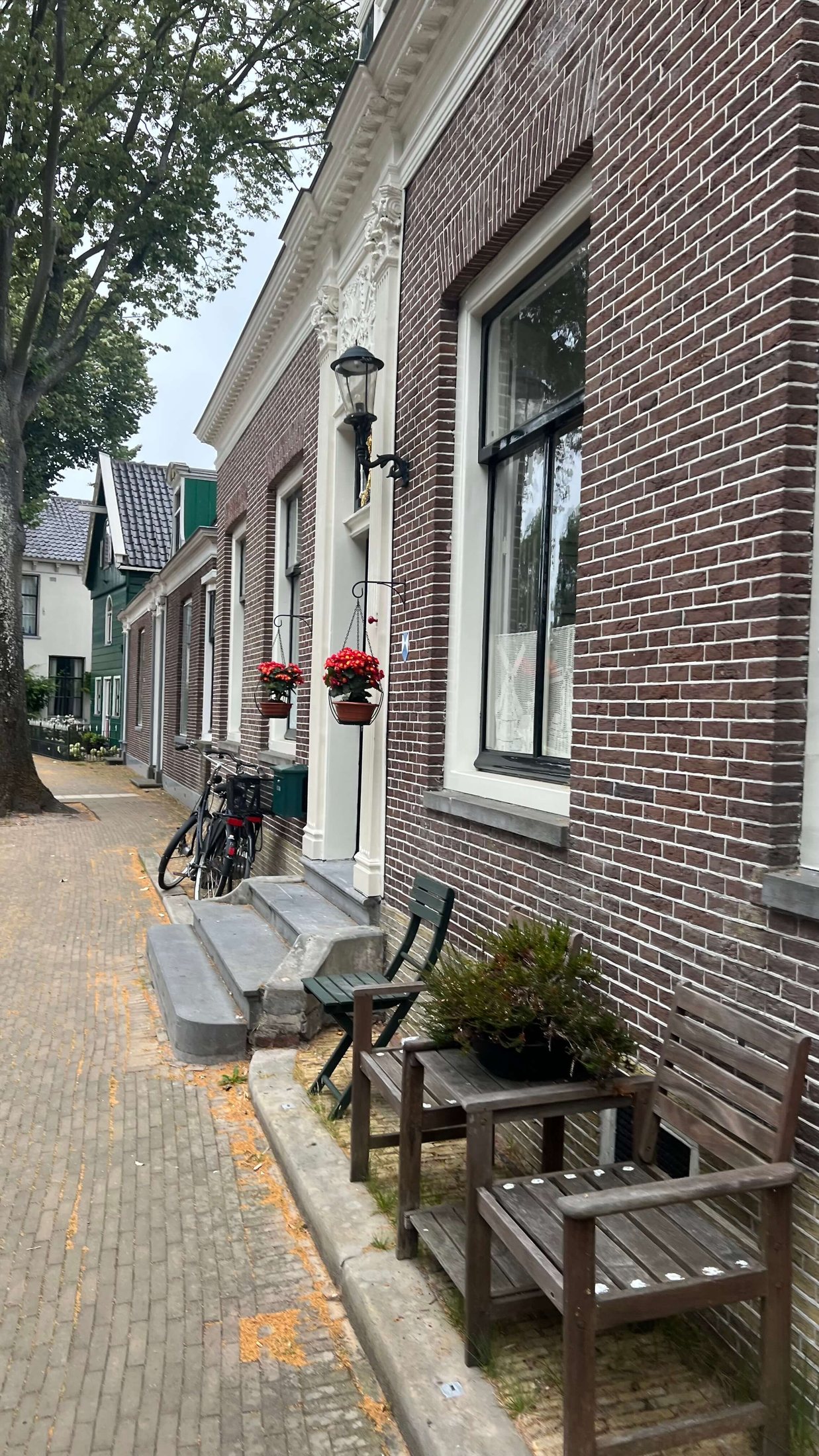
Quiet lanes in old Zaandijk sit only a short walk from the busiest Zaanse Schans routes.
Do not turn a quieter neighbourhood into another crowd magnet
The phrase “where tour buses don’t go” describes a style of travel rather than an absolute promise about bus routes. An organised group can visit almost any publicly accessible town, and popular places may be crowded during weekends or special events. The difference is that Broek in Waterland, Westzaan or the Ilperveld are not usually organised around the same large-scale coach stops as Amsterdam’s major attractions. Your visit should therefore be smaller and more considerate, not an attempt to reproduce a coach-tour itinerary without the coach. A short public walk, a café where one is available and time to observe the landscape may be enough. If you want a guaranteed programme of shops and indoor attractions, choose a larger town instead. Quietness is never assured; the forecast, school holidays, local events and time of day may matter more than any “secret spot” label.
The practical difference between Broek in Waterland and Edam
Broek in Waterland is best approached as a compact residential stroll, while Edam has a more substantial small-town centre with canals and established visitor interest. If you travel without a car, compare the real bus routes and the walk from each stop to your chosen route. In Broek, keep to public streets and give residents room on the narrow paths. In Edam, consider an extra hour for bridges, town architecture and lunch, but check whether any market or museum you want is operating on the date of your visit. Neither destination provides a permanent guarantee of empty streets. The more satisfying choice is the one with the pace and facilities you want. Travellers with mobility limitations should check specific pavements, cobbles and entrances; a flat map does not establish step-free access throughout an older settlement.
Westzaan and the Ilperveld are landscape trips
Westzaan is a settlement within the Zaan region’s polder landscape, while the Ilperveld offers wetland scenery and opportunities to understand a distinctive environment. They are not interchangeable attractions. Before visiting the Ilperveld, look up public access and any guided activities on the land manager’s official website; the surrounding waterways and reeds are sensitive habitats. Do not invent a walking route across privately managed land or assume a boat can be hired spontaneously. In Westzaan, use recognised public paths and be aware of working farm traffic. A bicycle can connect viewpoints over a wider area, but wind and a long open return stretch are real considerations. A visitor who expects cafés and constant photo stops may be more comfortable in a town; someone who enjoys slow observation, birds and the geometry of the polder may prefer the landscape itself.
A quiet Zaan day: Zaandijk beyond the busiest paths
Zaandijk is often treated only as an approach to Zaanse Schans, but the surrounding historic streets and views towards the river can make an independent visit rewarding. Start with an ordinary public walking route through the village and notice the relationship between homes, small waterways and the river. If you continue to the better-known windmill area, remember that the outdoor walk and paid interiors have different conditions. A quiet village detour should not become a search for access to private courtyards or gardens. Keep your camera on public land and leave room for local cyclists. For deeper historical context, see our Zaan region guide and Zaanse Schans visitor guide. They answer different questions: the former explores the regional landscape, while the latter helps plan entrances and time at the main visitor site.
How to find a less pressured hour near Amsterdam
Rather than searching for the single place “nobody knows,” travel outside the main rush when the transport schedule and daylight make that comfortable. A weekday morning in a residential village can feel very different from a sunny Sunday afternoon, but you should still expect ordinary daily life. Pack food if you are visiting a place with limited facilities, keep your phone charged for the return route and check whether a regional bus actually operates at the hour you expect to leave. For a coastal excursion, watch wind and local nature-reserve access rules. If you travel with children, choose a shorter outdoor loop and a reliable indoor backup. There is no need to publish precise residential photo locations or encourage people to enter fields for the perfect shot. A less pressured outing comes from respectful pacing and realistic expectations, not from concealing or “discovering” a private place.
Three small itineraries instead of a grand tour
For a public-transport morning, choose Broek in Waterland, walk a short loop and return to Amsterdam without forcing another stop. For a Zaan afternoon, explore Zaandijk’s public streets and, if time allows, walk towards the river and the windmill views. For a nature-oriented day, consult the Ilperveld visitor arrangements and build your journey around the activity or accessible public route you can actually use. Each option has a distinct purpose, and each works better when you leave an extra hour for a meal or an unplanned stop. The travel method matters: trains, regional buses and bikes have different practical limits. If you would rather stay within Amsterdam, our neighbourhood guide is the closer alternative. Do not sell a remote village and a lively city district as the same kind of experience.
🙋 Frequently Asked Questions (FAQ)
What places near Amsterdam do tour buses not visit?
Tour buses concentrate on Zaanse Schans, Volendam, Marken and Keukenhof. Places they skip include Broek in Waterland, Monnickendam, Zaandijk village, the Ilperveld marshes, Westzaan, and most of the polder cycling routes between these villages.
How do I avoid tour bus crowds near Amsterdam?
The simplest strategies are arriving at popular spots before 9:30 AM, visiting lesser-known alternatives like Edam instead of Volendam, or exploring the Waterland and Zaanstreek regions by bicycle rather than following organised tour routes.
Is Broek in Waterland accessible without a car?
Yes — a direct bus from Amsterdam Centraal takes about 20 minutes, and the village is also reachable by bicycle via a pleasant flat cycling route through the Waterland polders.
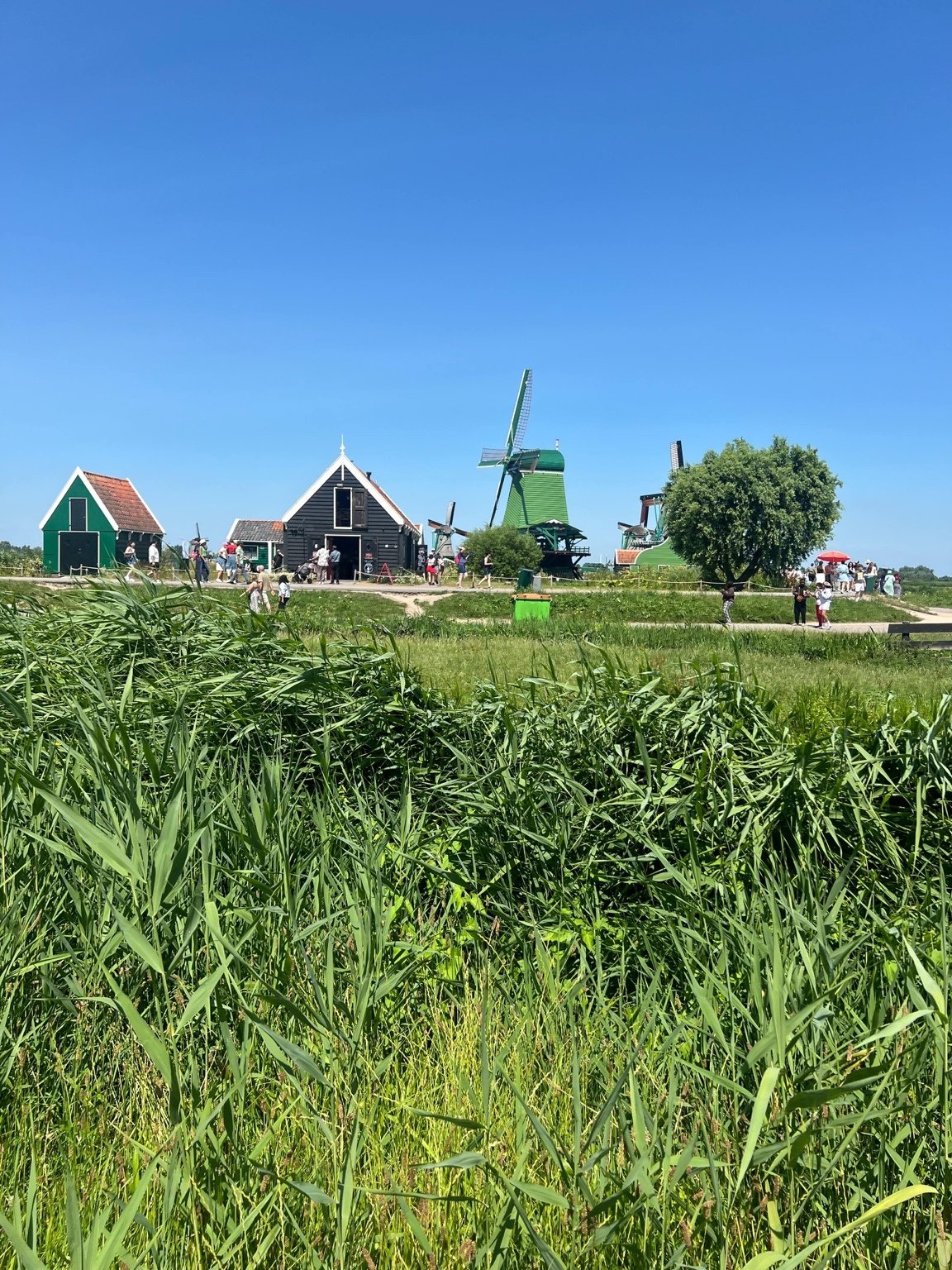
A meadow viewpoint shows how quickly the landscape opens up beyond the central visitor route.
Final Recommendation
For specific hidden destinations in detail, see our hidden gems guide and best Dutch villages guide.
Explore Your Own Route
🚲 Cycling routes: noord-holland.nl
🚌 Bus schedules: 9292.nl
🚂 Train & transit tickets: ns.nl
🏨 Compare accommodation prices: Booking.com
🗺️ Organised day trips & tours: GetYourGuide
🌍 Spanish-language tours & activities: Civitatis
Sources: Personal observation — Zaandijk, Noord-Holland | Details can change; check the linked official sources before booking