I live in Zaandijk — have for three years, though I grew up in the wider Zaanstreek as a child and studied in nearby Haarlem. The region I know from daily life looks quite different from what’s typically presented to visitors, and I’ve spent enough time showing people around to know where that gap is widest. This is the guide I wish existed when people ask me what the Zaanstreek is actually like — the full picture, not just the tourist highlights.
Understanding the Zaanstreek
The Zaanstreek is a linear municipality stretching along both banks of the Zaan river, roughly 15 kilometres long and consisting of several historic villages — Zaandam, Zaandijk, Westzaan, Wormerveer, Krommenie, and others — each with its own character. Most visitors encounter only a 500-metre section of it at Zaanse Schans and draw conclusions about the whole. The whole is more complex — there are 75,000 people here, a working industrial port, a landscape that grades from polished open-air museum to genuine working polder within a 10-minute walk. Zaanse Schans, technically part of Zaandijk, is the curated showcase that draws tourists. The villages around it are where residents actually live, in a landscape that retains much of its 19th-century industrial character alongside the older wooden architecture.
The Industrial Heritage: Often Overlooked
Before Amsterdam became a major commercial centre, the Zaanstreek was one of the world’s first industrial regions — a dense cluster of windmill-powered mills producing oil, sawmill products, dye, paper and food goods that supplied much of Europe. Several globally recognised Dutch brands trace their origins to the Zaan: Verkade biscuits and chocolate were founded in Zaandijk; Albert Heijn, the Netherlands’ largest supermarket chain, was started in Oostzaan; Bruynzeel (pencils) came from the area too. This industrial DNA still shapes the region — the mix of historic wooden architecture and early 20th-century factory buildings gives the Zaanstreek a uniquely layered landscape that’s genuinely unlike anywhere else in the Netherlands.

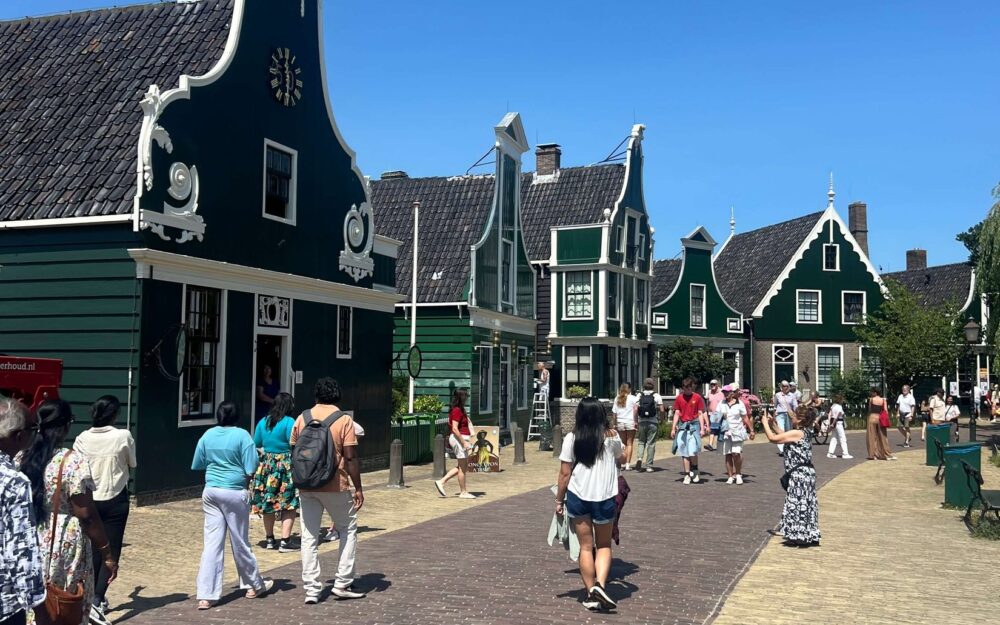
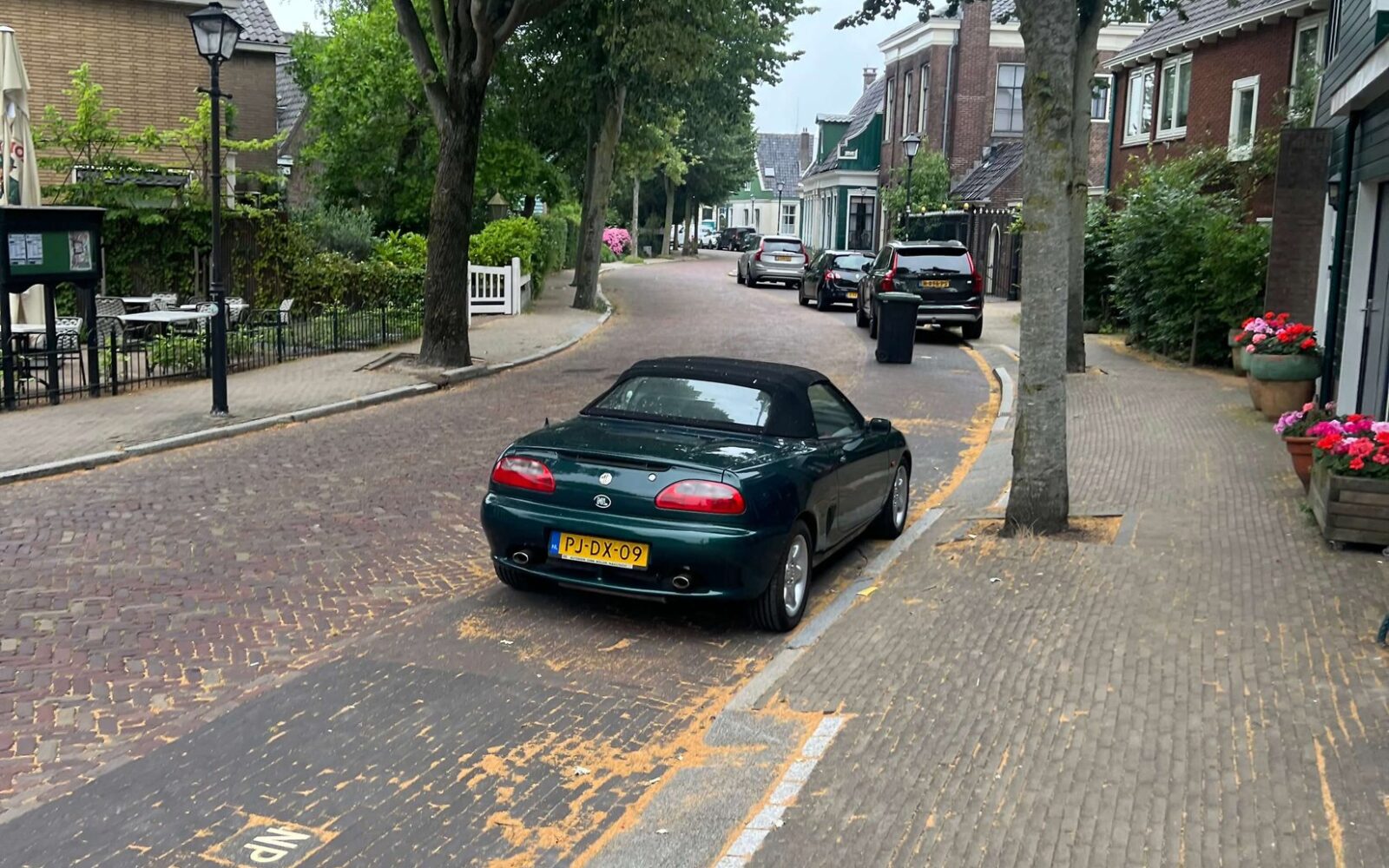
A quiet residential street in Zaandijk, a short walk from Zaanse Schans.
Zaandijk: The Village Behind the Showcase
The Lagedijk is where I walk most mornings. It runs along the east bank of the Zaan from the Julianabrug bridge northward for about 800 metres, lined with some of the finest surviving examples of Zaans wooden house architecture outside the curated area, in the particular green-grey colour (Zaansgroen) that is as distinctive to this region as red brick is to Amsterdam. Unlike Zaanse Schans, these houses are inhabited and maintained by residents — you can hear the radio through a window, see the cat watching from a sill, smell what someone is cooking at noon. This is the lived version of the architecture that Zaanse Schans curates. A morning walk along the Lagedijk, across the Julianabrug bridge, and back through the village takes about 45 minutes and shows you what the whole region looked like before selective preservation concentrated so much on a single spot.
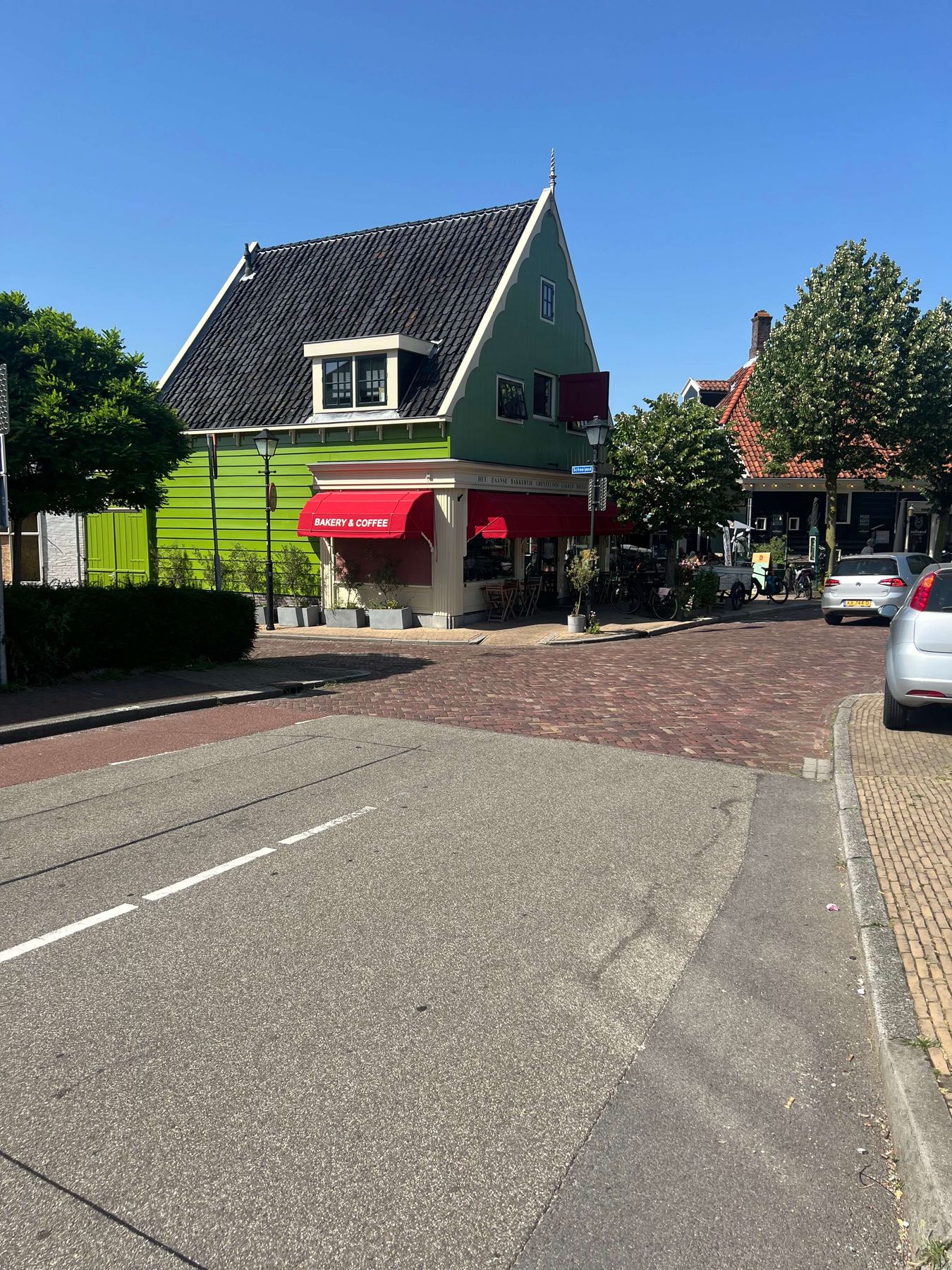
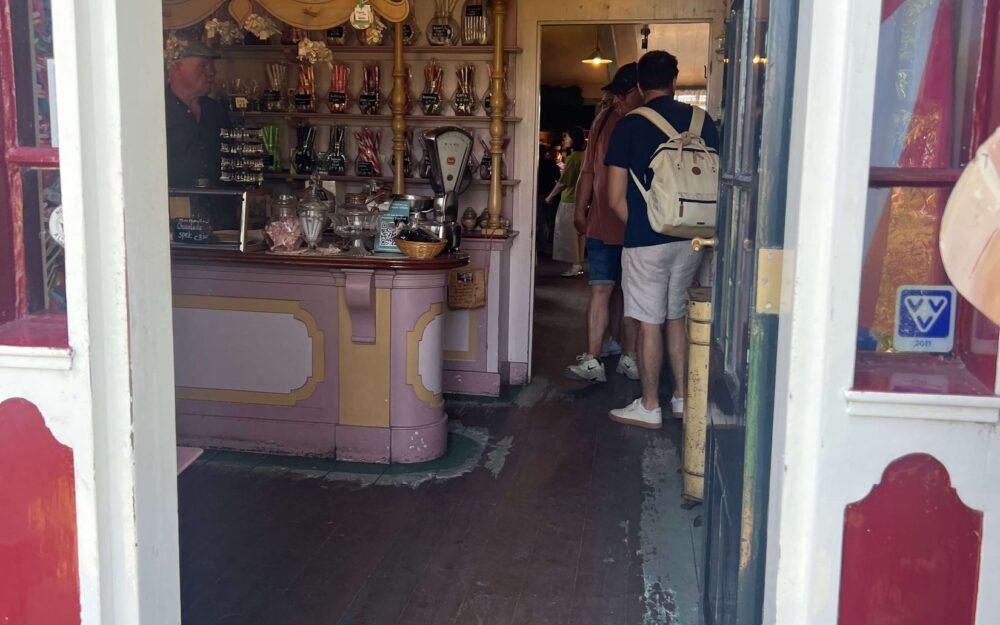
A working bakery in one of Zaandijk’s traditional green wooden houses.
Westzaan: The Polder Village
Westzaan, the western neighbor of Zaandijk, sits in the open polder landscape on the other side of the Zaan. The village centre is small and quiet, and the cycling or walking route through its polder paths toward the surviving windmill stumps at the edge of the nature reserve gives a sense of what the whole region looked like in its windmill-dense 17th-century heyday.

Golden hour over the Zaan, with the windmills catching the last light.
The Zaan River: A Working Waterway
Unlike Amsterdam’s canals, which have become largely recreational, the Zaan river still carries commercial barge traffic. Watching large vessels pass beneath the historic wooden house facades is a reminder that this is a working industrial landscape, not a museum — one of the things that makes it feel more authentic than many preserved Dutch historic zones.
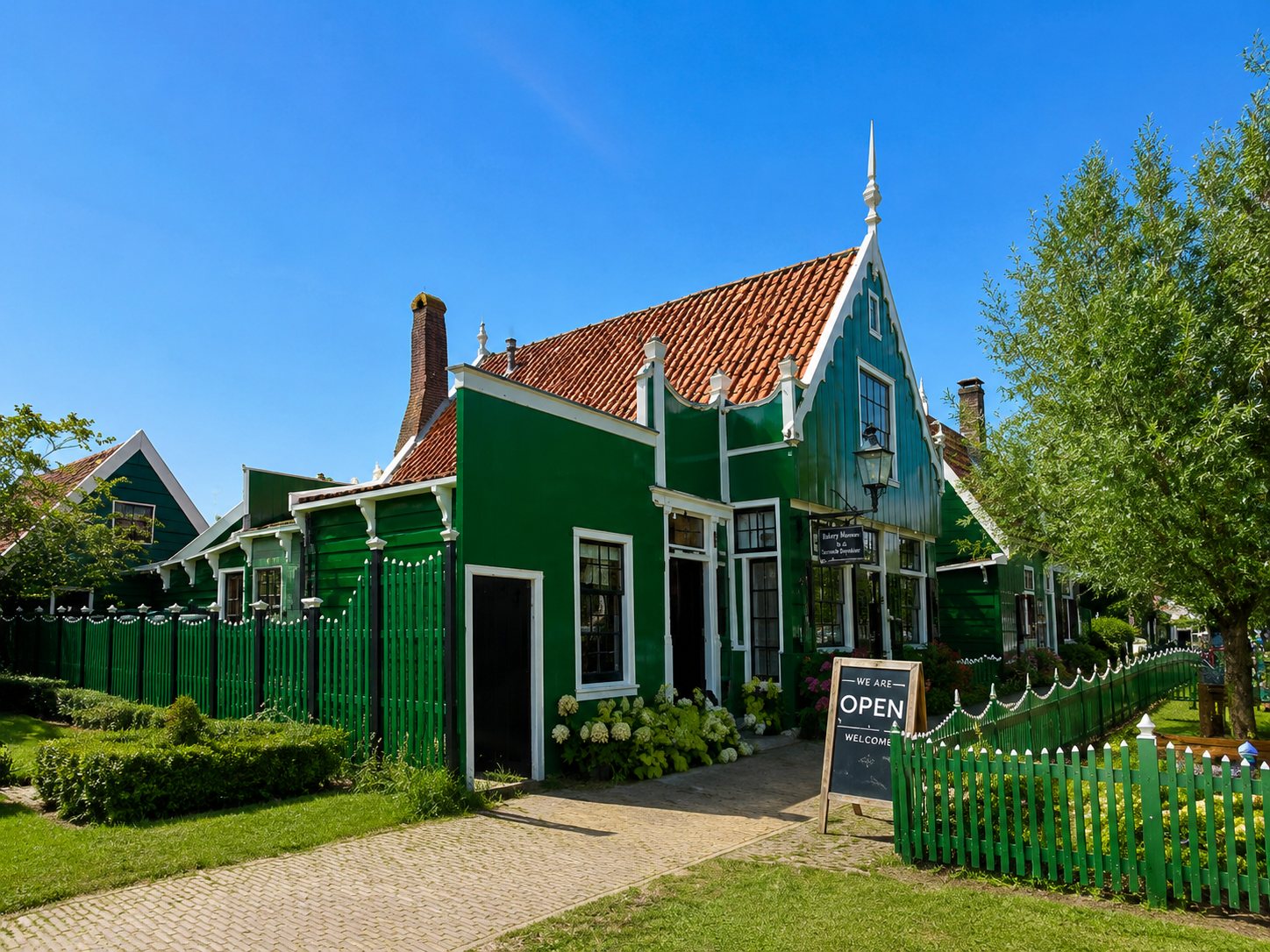
The iconic windmill row at Zaanse Schans, Noord-Holland.
Local Food and Drink
- Pesto cheese at Catharina Hoeve — the bright green cheese at the Zaanse Schans cheese farm is more interesting than it looks; the pesto variety in particular is genuinely good rather than merely photogenic.
- Verkade products — available everywhere but particularly resonant in the Zaandijk area where the company was founded.
- Pancakes at De Kraai — the classic Zaanse Schans pancake restaurant; the Dutch pancake (pannenkoek) is nothing like its thin French cousin and worth trying properly at least once.
Cycling Through the Region
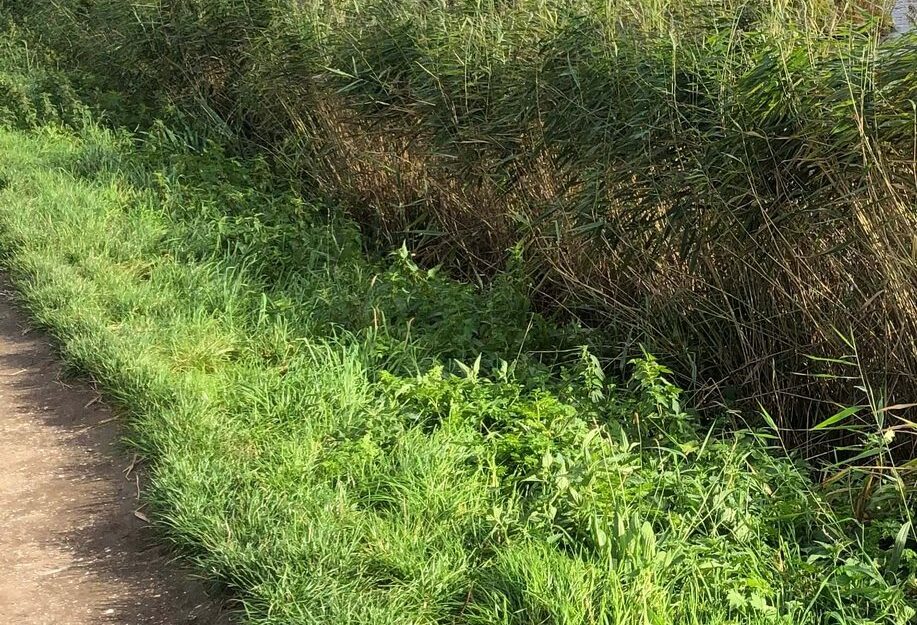
The LF4 cycling route (the Amsterdam-Haarlem national route) passes through the Zaanstreek, connecting it seamlessly to the broader regional cycling network. The polder roads west of Westzaan, in particular, provide some of the most undisturbed cycling in the Amsterdam area — flat, quiet, and passing through a landscape of reed-edged waterways and farmland that hasn’t changed significantly in 200 years.
Why the Zaan landscape looks different from an ordinary village
The Zaan region cannot be understood solely through the windmills at Zaanse Schans. The river helped connect production, transport and settlement, and the surrounding polder landscape shows how closely local life has depended on managing water. Historic wooden houses sit within a region that also has active industry, ordinary shopping streets and residential neighbourhoods. That mixture can be more interesting than a carefully framed postcard because it shows continuity rather than a frozen open-air display. Start with a map of the Zaan and identify a compact public walking route before adding museums or boat trips. A short route through Zaandijk and its river approaches is a manageable introduction; Westzaan and Jisp require a different, more rural plan. Avoid the implication that a quiet private garden or historic industrial site is open to visitors simply because it is visible from a public path.
Zaandijk: historic streets and the river
Zaandijk is a useful starting point for understanding how historic residential streets relate to the industrial river landscape. Walk through public lanes at a relaxed pace and compare the scale of the buildings with the views across the Zaan. Houses painted in traditional colours are real homes, not exhibits, so respect doors, windows and gardens. From the appropriate public viewpoints you can see how windmills and later industrial buildings occupy the same broader environment. If you are coming from Amsterdam by train, check which station and walking route best fit your starting point rather than assuming the most famous visitor entrance is the only way to explore the area. Families may prefer a compact return loop; visitors with mobility needs should look at the route’s bridges and surfaces before travelling. The experience is strongest when you give time to both the built streetscape and the working waterway.
Westzaan and Jisp: an introduction to the polder
Westzaan and Jisp reveal a more open landscape of ditches, fields and smaller settlements. The change in scenery is the main reason to leave the better-known visitor area. Choose a public walking or cycling route using an up-to-date regional map, stay out of private land and give agricultural traffic priority on narrow rural lanes. Strong wind can turn an outward cycle into a demanding return journey, and a wet forecast may make exposed routes unpleasant. For birdwatching, binoculars and patient observation from public paths can be more useful than trying to approach wildlife. Keep dogs controlled according to local signs and avoid disturbing nesting areas. These villages do not need to offer the facilities of a large town to be rewarding, but you should carry water and check where the nearest legal parking or public transport stop actually is.
Read the industrial story without inventing access
Historic and modern industry are visible along parts of the Zaan, but seeing a building does not imply that you can enter it. Publicly accessible museums or working windmills may offer a closer explanation of production, while active industrial sites have their own safety and access restrictions. If you want to understand a specific mill, read the official attraction’s description and check whether it demonstrates sawing, oil processing or another process; do not assume all mills do the same work. In a museum, look for the link between raw materials, energy, transport and the products that left the region. Outdoors, the river itself explains part of that story: waterways were once central to moving goods, and the broader region still contains a mixture of homes and businesses. This is an area for patient observation, not for wandering through private factory yards.
A half-day versus a full regional day
For half a day, concentrate on Zaandijk and a public river route, with one optional museum or windmill interior. Check the admission separately from the outdoor walk. For a full day, choose a second focus: an accessible rural cycling route, a nature-area visit with confirmed access, or a longer walk through a nearby town. Do not attempt to combine every village and museum in one afternoon. Train travel is practical for some central destinations, while a bicycle or car can be helpful for selected rural routes; regional bus service may be less frequent at weekends and in the evening. Choose transport based on the actual return connection and the least mobile person in the group. Your interest—industry, architecture, wildlife or family attractions—should decide where you spend the larger portion of the day.
Where this guide fits with the more famous Zaanse Schans
The Zaanse Schans visitor guide is the place to start when you need entrance choices, working windmill visits and a practical plan for a first tourist outing. This regional guide deliberately takes the wider view: villages, a working river, and the open polder that connects them. The hidden gems near Amsterdam article suggests a few quieter excursions, while our wooden-shoe workshop guide answers a specific attraction question. These topics overlap geographically but not in the decision they help a visitor make. Check up-to-date museum openings, access requirements and transport before leaving. Above all, remember that the region is not a theme park: the attractive local streets and fields are also people’s homes and places of work.
🙋 Frequently Asked Questions (FAQ)
What is the Zaanstreek known for?
The Zaanstreek is known for its distinctive green wooden architecture, its industrial heritage as one of the world’s first industrial regions, its windmills and food production history — Verkade biscuits, Albert Heijn supermarkets, and Bruynzeel all originated here.
Is Zaandijk worth visiting?
Yes, for visitors interested in seeing authentic Zaanstreek village life beyond the Zaanse Schans tourist zone. Zaandijk’s Lagedijk street and the riverfront offer a genuine, non-curated version of the same green wooden house architecture.
What is the best way to explore the Zaanstreek beyond Zaanse Schans?
Cycling — the flat polder landscape and network of minor roads connecting the various Zaanstreek villages is best appreciated by bike, with a ride that might link Zaanse Schans, Zaandijk, and Westzaan in a single two-to-three hour loop.
Final Recommendation
Explore the Region
🚲 Cycling routes: noord-holland.nl
🚂 Train & transit tickets: ns.nl
🏨 Compare accommodation prices: Booking.com
🗺️ Organised day trips & tours: GetYourGuide
🌍 Spanish-language tours & activities: Civitatis
Sources: Personal observation — Zaandijk, Noord-Holland | zaansmuseum.nl | Details can change; check the linked official sources before booking