Zaanse Schans with kids works best when adults stop trying to complete the attraction list. The village offers windmills, bridges, water, machines, food and open space. A child may care more about carp beneath a bridge or the sound of wooden gears than the historical fact you were preparing to explain.
I visit with my son and plan the day around three reliable anchors: one machine, one tasting and one proper break. Everything else is optional. That simple structure has produced better visits than trying to move through every mill, museum and shop because they happen to be on the map.
Is Zaanse Schans Good for Children?
Yes, particularly for children who enjoy movement and practical demonstrations. The experience is less formal than a traditional museum day. Families can step outside, change direction and shorten a stop without walking through twenty galleries to reach an exit.
The village is not a theme park. There are working industrial structures, water, bridges and steep stairs. Parents must supervise closely, especially inside mills. The balance is excellent: enough stimulation to hold attention, but enough outdoor space to recover between attractions.
Best Zaanse Schans Activities by Age
| Age | Best choices | Plan carefully |
|---|---|---|
| Toddlers | Outdoor paths, animals and water, short cheese or clog stop | Windmill stairs, long queues and missed naps |
| Ages 4–6 | Clog machines, tastings, one mill at ground level, simple scavenger hunt | Too many historical explanations in a row |
| Ages 7–10 | Working mill, Verkade Experience, photography tasks, craft demonstrations | Overfilled combination tours |
| Older children | Industrial history, mill engineering, cycling and independent photo challenges | Assuming souvenir shops alone will interest them |
The Wooden Shoe Workshop
The clog demonstration is one of the safest recommendations for families. A machine turns a block of wood into a recognisable shoe quickly enough that children can follow the transformation. The process is noisy, visual and concrete.
Timing matters. A small child behind several rows of adults sees almost nothing. Look inside before joining. If a coach group has just arrived, continue walking and return later. Allow around 30–45 minutes rather than building the morning around an exact demonstration minute.
Read our full wooden shoe workshop guide for crowds, shopping and accessibility.
The Cheese Farm
Catharina Hoeve works well because tasting creates an immediate activity. Children who have no interest in dairy equipment may still enjoy identifying flavours and colours. On visits with my son, the food element carries more attention than a long explanation, and that is fine.
Keep children close at busy counters, ask before taking samples and do not let the shop become a battle over souvenirs. Visiting shortly before a planned snack or lunch can be easier than entering with a tired, hungry child.
Which Windmill Should Families Visit?
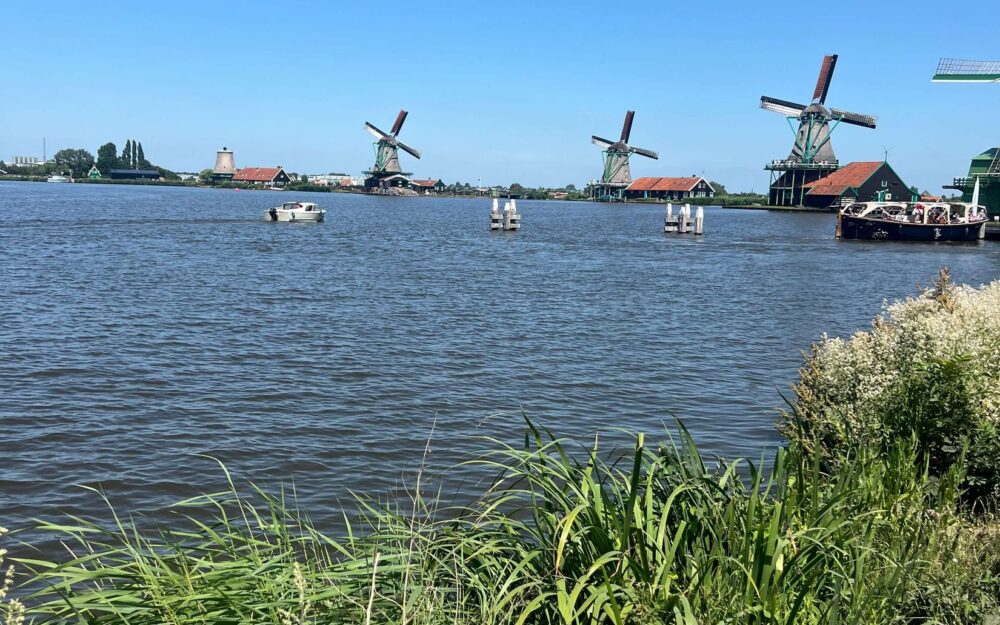
Choose one. De Kat offers colour, grinding and dramatic moving equipment. Het Jonge Schaap is excellent for children fascinated by machines and cutting. The right choice also depends on what is operating and how comfortable your child is with dark interiors, noise and stairs.
Historic mills were not built for strollers or modern safety expectations. Stairs can be narrow and steep. One adult may need to remain outside with a younger child while another goes up. Never force a nervous child to climb because the ticket has been purchased.
Compare the options in our Zaanse Schans windmill guide.

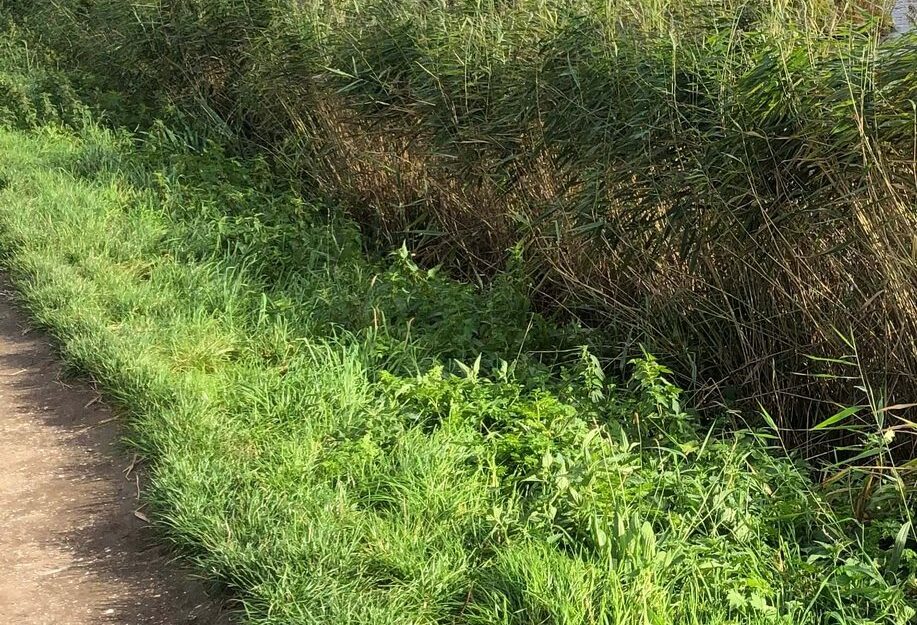
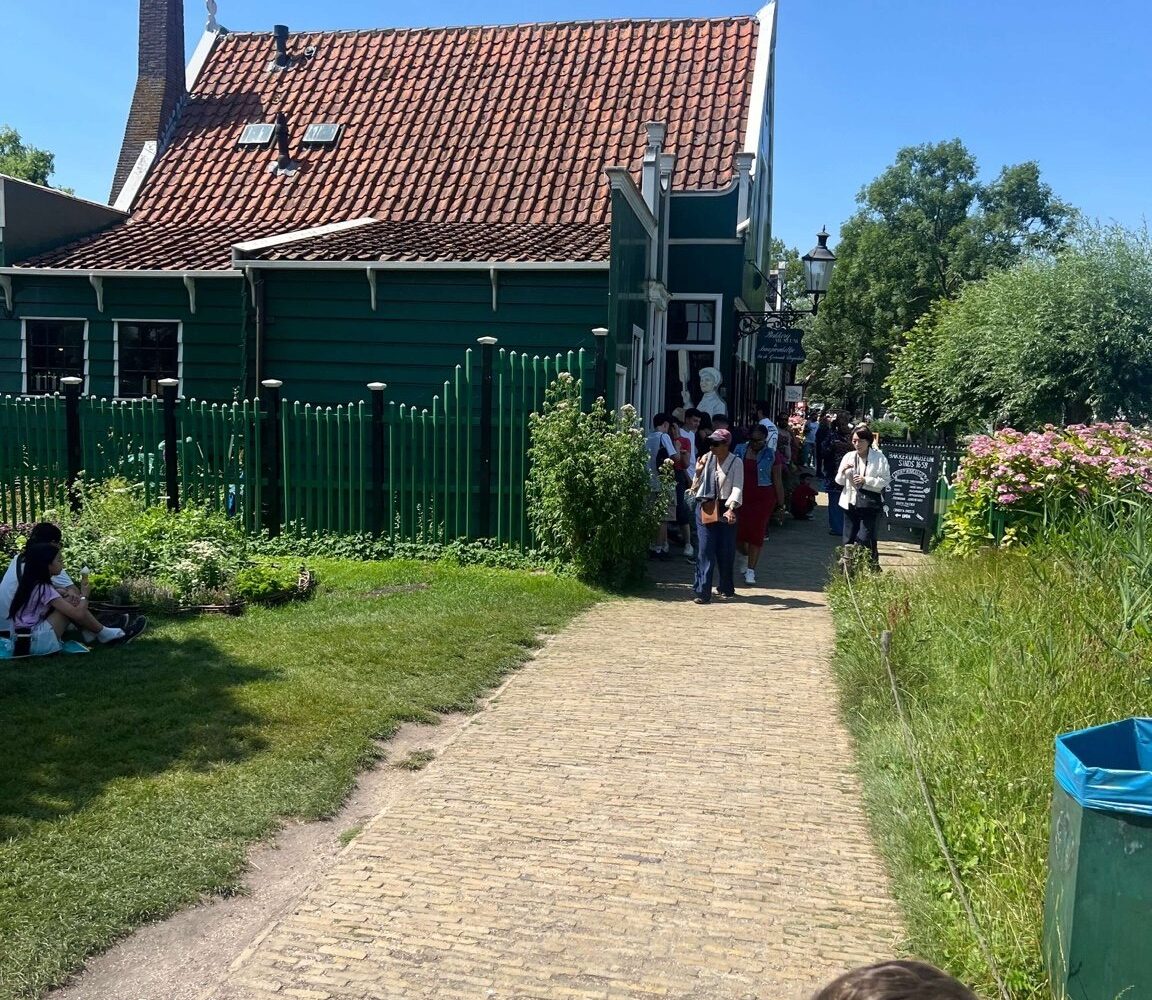
The outdoor paths give families space to reset between demonstrations and indoor attractions.
The Zaans Museum and Verkade Experience
The Zaans Museum is the largest indoor commitment. For school-age children, the Verkade Experience provides machinery, biscuits and chocolate-production history that is easier to connect with than a purely text-based exhibition.
Do not add the museum merely because it is included in a pass. Decide whether your child still has attention available. It can be a perfect rainy-day anchor or an exhausting final stop after several hours outside.
Allow at least 90 minutes when the museum matters. A rushed visit reduces value and creates conflict when a child wants to spend longer at an interactive element.
Is Zaanse Schans Stroller-Friendly?
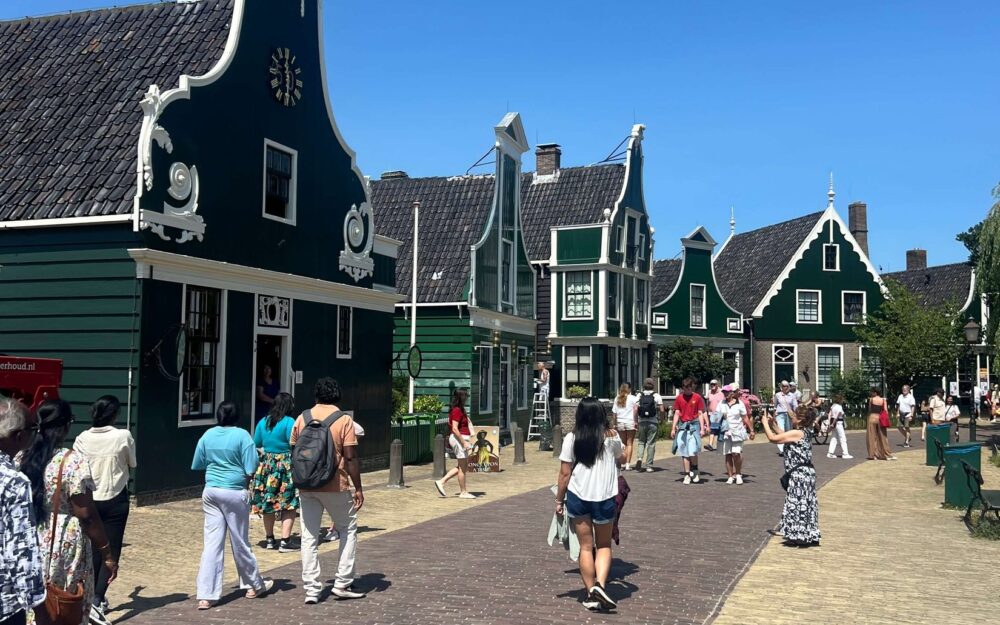
The main outdoor routes are manageable with a sturdy stroller, but surfaces and bridges are not identical everywhere. Crowds can create more difficulty than the ground. A narrow path that feels easy at 9:00 can become awkward when groups stop across it for photographs.
A stroller cannot solve windmill access. Expect to leave it outside appropriate buildings or split the adults. Bring a rain cover and avoid overloading the stroller with valuables if it may need to remain parked briefly.
Toilets, Nappy Changes and Handwashing
Locate toilets early rather than waiting for an emergency at the far end of the windmill line. Facilities and access arrangements can change, so use the current official map. Ask staff about changing facilities rather than assuming every historic building has them.
Bring wipes or hand-cleaning supplies. Tasting, touching railings and exploring outdoor paths make them useful even for older children. Also carry a small bag for wet clothes or food packaging.
Food with Children
Pancakes are an obvious family option, but busy service can consume more time than expected. If a sit-down lunch matters, plan it before everyone becomes hungry. Check current menus and opening times rather than promising one restaurant will always suit every allergy or diet.
Bring water and a simple emergency snack even if you plan to eat on site. A snack protects the visit when a queue is long or a preferred kitchen has changed its hours.
Food strategy matters more than many itinerary details. With my son, a well-timed break can restore the entire afternoon; delaying lunch to complete one more attraction usually does the opposite.
Safety Around Water and Machinery
Zaanse Schans includes canals, the River Zaan, bridges and active machinery. Outdoor freedom does not mean children can run without boundaries. Hold younger children close near water and busy crossings. Inside mills, follow barriers and instructions even when a moving part seems slow.
Windmill sails and gears transfer substantial power. Do not encourage a child to reach past a barrier for a photograph. Loose clothing and bags should remain controlled on stairs and exterior decks.
What to Do in the Rain
Rain does not ruin a family visit if you alternate indoor and outdoor stops. Use a windmill, workshop, cheese farm or museum as shelter, then take the next outdoor section when the weather eases.
Waterproof outer layers are more useful than one shared umbrella on narrow paths. Bring dry socks or trousers for young children when the forecast is poor. Read our Zaanse Schans rain guide for a complete route.
Train or Car with Children?
The train is simple when staying near Amsterdam Centraal and your children manage the walk from Zaandijk station. The bridge approach adds excitement and avoids parking. A car makes sense when carrying extensive equipment, combining destinations or needing a flexible exit.
Do not compare only travel minutes. Include walking, parking, traffic, naps and where your accommodation sits. Our Amsterdam to Zaanse Schans guide handles the full decision.
How Long Do Families Need?
Allow four hours for a comfortable family visit with one major attraction, crafts, food and pauses. Add 90 minutes or more if the Zaans Museum is a priority. A two-hour visit is possible, but choose the outdoor route and one demonstration only.
Children do not move slowly in a predictable way. They move quickly through what adults expected them to love and stop completely at something adults considered irrelevant. Extra time absorbs that difference.
A Four-Hour Family Itinerary
0:00–0:30 — Arrive, use toilets and walk the outdoor route without immediately joining a queue.
0:30–1:10 — Wooden shoe demonstration and displays.
1:10–1:40 — Cheese farm and tasting.
1:40–2:40 — Early lunch or a substantial snack break.
2:40–3:30 — One selected working windmill, adjusted for stairs and attention.
3:30–4:00 — Outdoor photographs, final toilet stop and unhurried return.
If the museum is the main attraction, replace the windmill block and extend the visit. Do not simply add another two-hour experience to the end of a tired child’s schedule.
A Two-Hour Family Plan
For a short visit, skip the museum and most interiors. Walk the central route, watch the clogs, taste cheese and see the windmills from outside. Choose one additional stop only if energy and queues allow.
This is a good strategy when combining Zaanse Schans with Volendam or when a child has already spent the morning travelling.
What to Pack
- Water and one reliable snack
- Weatherproof layer and stroller rain cover
- Spare clothes for younger children
- Comfortable shoes with grip
- Small first-aid basics
- Charged phone with transport details saved
- Baby carrier if you hope to manage more historic interiors
What to Skip with Very Young Children
- Multiple windmill interiors in succession
- A full museum visit after a long outdoor morning
- A rushed multi-destination coach tour
- Long restaurant waits at peak hunger
- Steep climbs when a child is nervous or tired
Skipping is not failure. Zaanse Schans is close enough to Amsterdam that a focused enjoyable visit is more valuable than completing the map.
Managing Crowds and Sensory Overload
The village can change quickly when several groups arrive together. Noise inside a working mill, a packed demonstration room and the smell and movement of a busy food shop may be exciting for one child and overwhelming for another. Identify an outdoor reset point before you need it.
The riverside path away from the central shops or the walk back toward Zaandijk can provide space. Ear protection may help a noise-sensitive child inside machinery spaces, but ask staff where it is safe to pause. Do not block narrow stairs or exits while trying to calm down.
Tell children the next two steps rather than the entire day: “First the shoes, then a snack.” Predictable short sequences work better than repeatedly announcing that several attractions remain.
Tickets and Family Costs
Calculate your intended attractions before buying a combination product. A family using outdoor areas, the workshop and one paid interior has a different cost profile from a family entering the museum and several mills.
Check current child age bands, Card inclusions and attraction prices. See our Zaanse Schans tickets and Card guide rather than relying on an old total.
Frequently Asked Questions
Is Zaanse Schans suitable for toddlers?
Yes for a short outdoor visit with simple demonstrations, but supervise closely near water and do not expect stroller access inside windmills.
Can children enter the windmills?
Children may be able to enter participating mills, but steep stairs and active machinery require close supervision. Check individual access rules.
Are there things to do indoors?
Yes. Options can include the Zaans Museum, Verkade Experience, windmill interiors, the wooden shoe workshop and cheese-related stops, subject to current opening.
How long should we stay?
Plan four hours for a relaxed family visit and longer when the museum is important.
Should we take a tour?
Independent travel gives families more control. A private or genuinely small-group tour can work when transport and explanation outweigh the need for spontaneous breaks.
Final Recommendation
Build the visit around your child’s attention, not the attraction count. Choose the clog demonstration, one food stop and one larger experience. Let bridges, water and moving sails fill the gaps.
My best family visits have not been the ones where we saw the most. They were the ones where there was enough time to stop, eat and leave before everyone was exhausted. Zaanse Schans is well suited to that style of day when adults allow it to be.
Plan Your Family Visit
Complete destination guide: Zaanse Schans travel guide
Current facilities and attractions: official Zaanse Schans website
Museum and Verkade Experience: Zaans Museum
Sources: official Zaanse Schans information · Zaans Museum · Personal family visits. Verify current facilities, child tickets, access and opening hours before travelling.
Give children choices rather than promising every workshop
The wooden-shoe demonstration, cheese-making displays, windmill machinery and museum exhibits do not hold every age group’s attention for the same amount of time. Offer two age-appropriate options before reaching the site: ‘Do you want to watch how a shoe is made or start with a windmill?’ That small choice can make a queue easier to manage. Check whether demonstrations are scheduled, whether a museum needs an admission ticket and whether staff can accommodate a child who does not enjoy enclosed or noisy spaces.
For a family with a stroller, make the outdoor loop the backbone of the visit. Add one indoor activity rather than promising the climb inside a historic windmill; steep ladders, low headroom and rotating machinery can make some interiors inappropriate for very young children. A quiet snack and toilet stop before the return walk to the station can be more valuable than one last souvenir stop. If your group needs a fully step-free plan, contact the specific attractions in advance rather than relying on the fact that the outdoor area is generally accessible.