Most generic “Amsterdam budget” articles online either wildly underestimate accommodation or skip transport and incidental costs entirely.
A Canadian couple I helped plan a trip for last year had budgeted based on a blog post from 2019 and were stunned when their actual hotel cost nearly double the figure they’d read. I’ve watched this exact mistake happen often enough that I now tell people to add at least 20% to whatever number a five-year-old article gives them, then check current listings directly before committing to a budget on paper.
Here’s a realistic, itemized breakdown across three spending levels.
The Quick Verdict above gives the headline numbers, but the real value of a budget breakdown is in seeing where the money actually goes once you start adding up individual choices rather than relying on a single daily average. Most generic “Amsterdam budget” articles online either wildly underestimate accommodation or skip transport and incidental costs entirely. I’ve put this together after watching enough visiting friends and family members come back with wildly different spending totals from what they expected, almost always because they hadn’t separated the big, unavoidable costs from the smaller, optional ones. Here’s a realistic, itemized breakdown across three spending levels, with enough detail that you can actually swap in your own numbers.
Daily Budget by Travel Style
| Category | Budget | Mid-Range | Comfortable |
|---|---|---|---|
| Accommodation | €35–55 (hostel/budget hotel) | €110–160 (3-star hotel) | €220+ (4-5 star hotel) |
| Food | €25–35 | €50–70 | €90+ |
| Transport (local) | €8–10 | €10–15 | €20+ (occasional taxi) |
| Museums / activities | €10–15 | €20–30 | €40+ |
| Total per day | €80–100 | €150–220 | €280+ |
These ranges assume a traveler who is reasonably deliberate about spending rather than either extremely frugal or completely unconstrained. A budget traveler staying in a hostel dorm and eating mostly from bakeries and supermarkets can certainly go lower than €80, just as a comfortable traveler booking a five-star suite and dining at the city’s best restaurants every night can easily exceed €400 per day. The ranges above represent what most travelers in each category actually end up spending once flights and any pre-trip purchases are excluded.
Accommodation: The Biggest Line Item
Hotel and hostel prices in Amsterdam consistently make up the largest share of a trip budget — often 40-50% of total spending. Prices vary significantly by season (see our month-by-month guide), with summer and King’s Day carrying the highest rates, and winter (outside New Year) the lowest. This single factor — when you travel — has a bigger effect on your total trip cost than almost any other decision you’ll make while planning.
Room type matters too: a private room in a hostel often costs nearly as much as a budget hotel room, while a hotel room with a canal view can carry a meaningful premium over an identical room facing a courtyard. If the view isn’t a priority, asking about non-view rooms when booking can shave a noticeable amount off the nightly rate without sacrificing location.
Food: More Flexible Than You’d Think
Food costs swing the most based on choices. A bakery lunch and a casual dinner can keep daily food spending under €30, while sit-down restaurant meals twice a day push that past €70. A reasonable middle ground: one casual lunch (market stall, bakery, or Foodhallen) and one proper restaurant dinner.
Drinks are worth budgeting separately, since they add up quickly and aren’t always included in the per-meal estimates above. A beer or glass of wine at a bar typically runs €5-7, and a round for two people across an evening can easily add €20-30 to a day’s spending without any food involved. If you’re trying to manage costs without giving up the bar and café culture that’s a genuine part of Amsterdam’s appeal, picking one “drinks evening” per trip rather than every evening keeps this manageable.
| Meal | Budget Option | Mid-Range Option |
|---|---|---|
| Breakfast | Bakery pastry + coffee, ≈ €6 | Café breakfast, ≈ €14 |
| Lunch | Market/street food, ≈ €8 | Casual restaurant, ≈ €18 |
| Dinner | Simple restaurant, ≈ €16 | Mid-range restaurant, ≈ €35 |

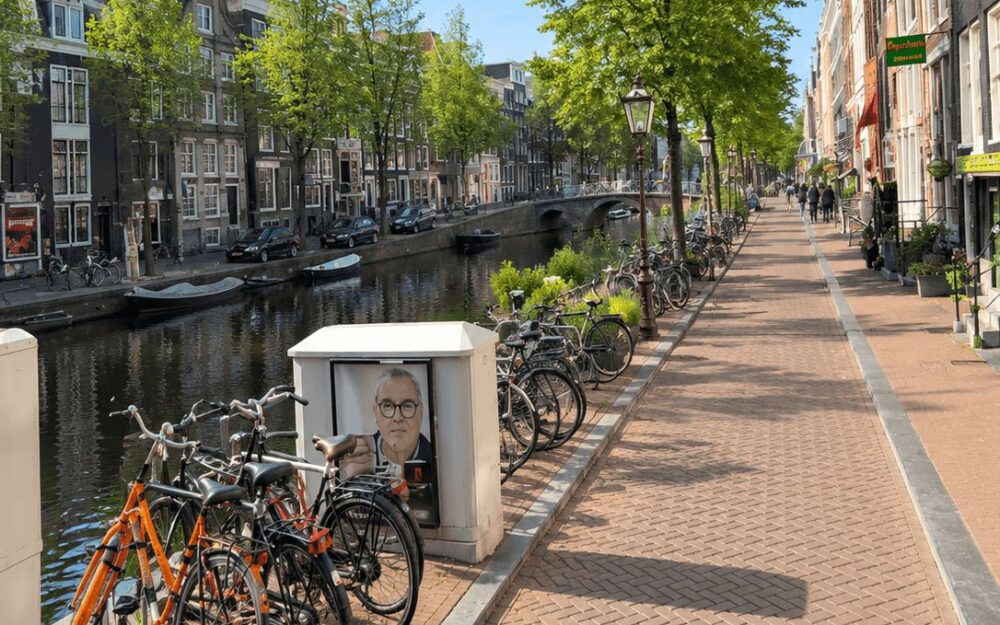
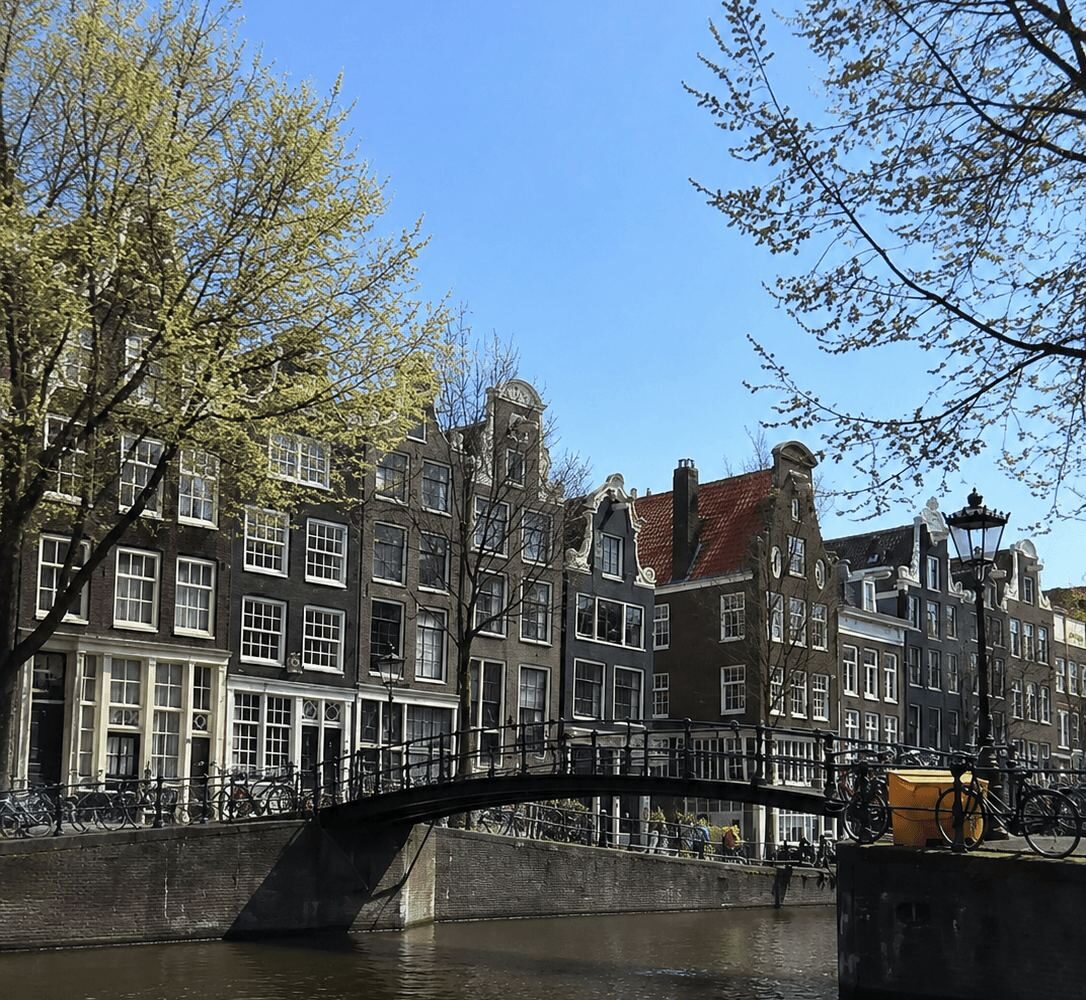
A classic Amsterdam canal scene — bikes, water, and fresh spring leaves.
Transport: Cheaper Than Most Cities
Amsterdam’s compact size keeps transport costs low compared to sprawling capitals. Most visitors spend €8-15 per day on trams and the occasional train, especially if they’re walking a significant amount, which is genuinely the most enjoyable way to see the canals anyway. Unless your hotel is unusually far from the centre, you can realistically structure most days around walking with the tram as a backup for tired feet or bad weather, rather than relying on it as your primary transport.
Museums and Activities
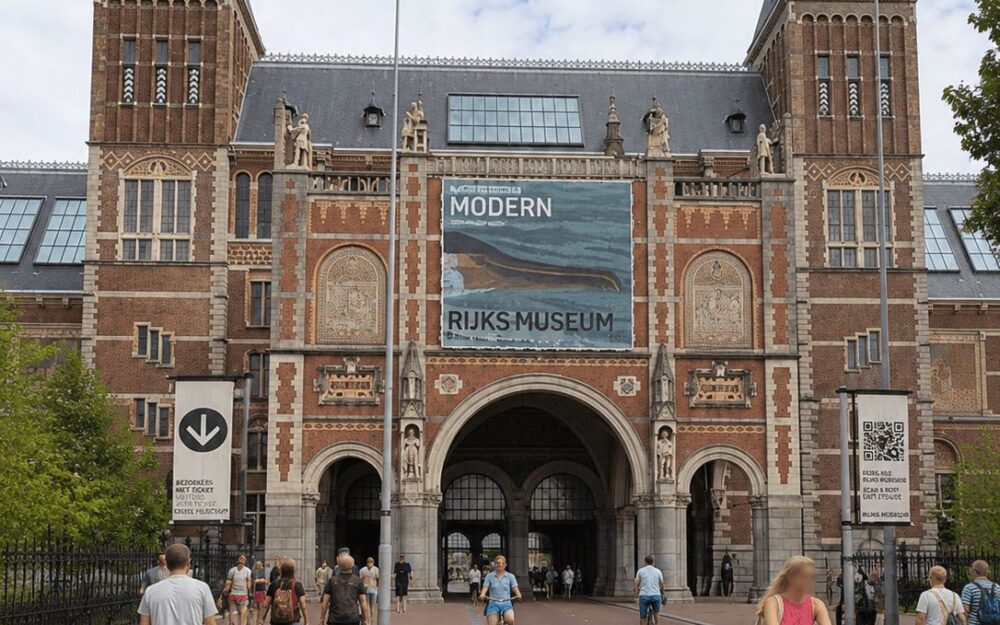
The biggest museums run €20-25 per ticket each. Budget travelers might pick just one major museum for the whole trip; mid-range travelers typically do two or three across a multi-day stay. Revisit our I Amsterdam Card breakdown if you’re planning to hit several museums plus transport, since the card can offer real savings at that usage level.
Beyond the headline museums, a number of smaller paid attractions and free activities can round out a trip without adding much to the budget. Walking the canal ring, browsing the Nine Streets boutiques without buying anything, and people-watching from a bench in Vondelpark cost nothing and are genuinely some of the better ways to spend an afternoon in the city.
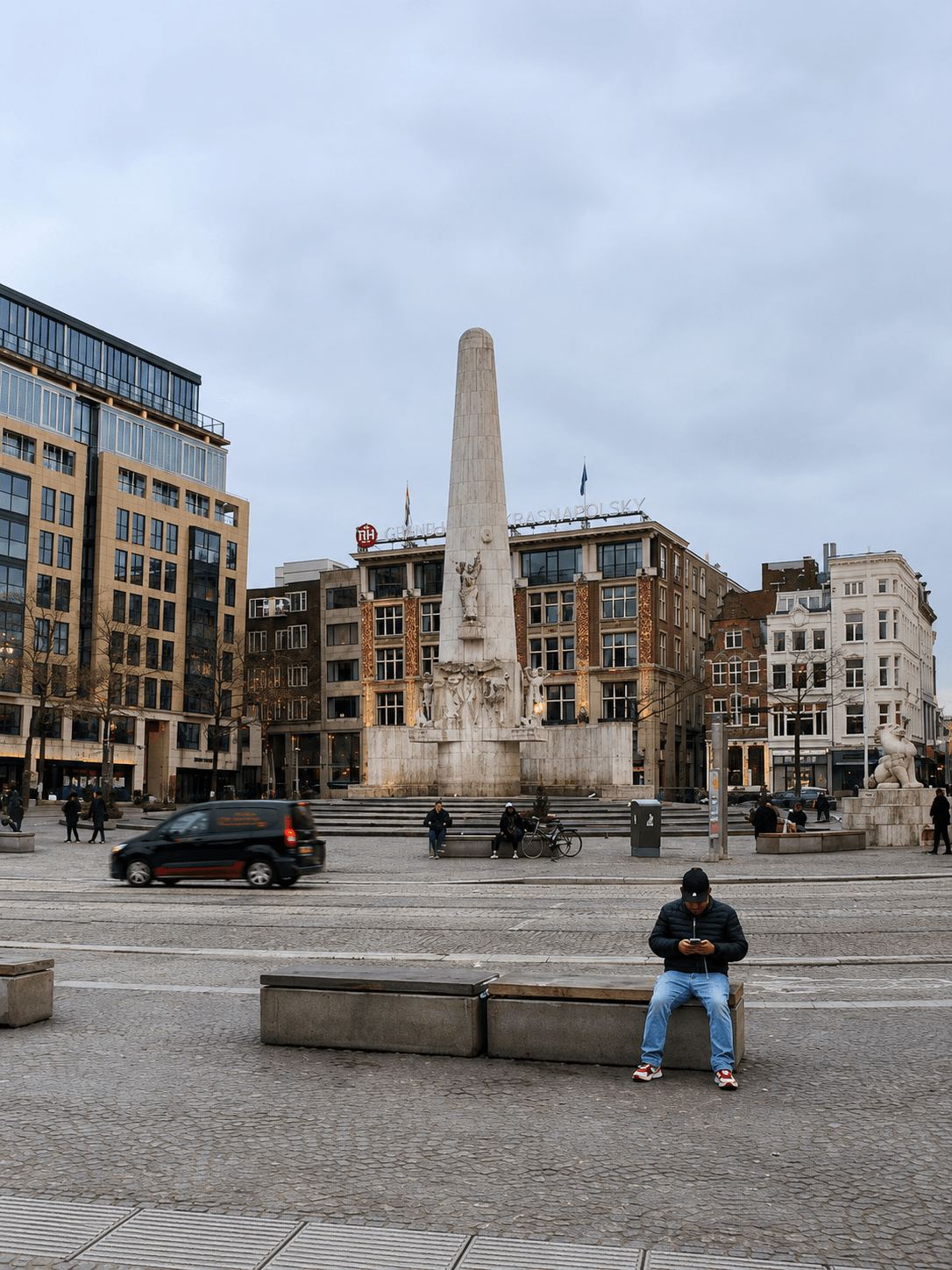
The National Monument on Dam Square, the traditional centre of Amsterdam.
Hidden or Easily Forgotten Costs
- City tax — Amsterdam charges a tourist tax on accommodation, typically added at checkout or check-in rather than shown in the headline room price.
- Canal cruise — a near-essential activity at €15-25 that’s easy to forget when budgeting.
- Schiphol transfer — budget €6-12 each way for the train, more if you opt for a taxi.
- Day trips — a trip to Zaanse Schans or Volendam and Marken adds train or bus fare plus any windmill or museum entry fees on top of your city-day budget.
- Souvenirs and incidentals — easy to underestimate; even modest souvenir shopping across a multi-day trip can add €30-50 that isn’t captured in any of the categories above.
Sample 3-Day Budget (Mid-Range Traveler)
Accommodation (3 nights): ≈ €390
Food (3 days): ≈ €180
Transport, including Schiphol transfer: ≈ €55
Museums (2 major museums): ≈ €45
One day trip (Zaanse Schans, train + entry fees): ≈ €40
Total for 3 days: ≈ €710, or roughly €237/day

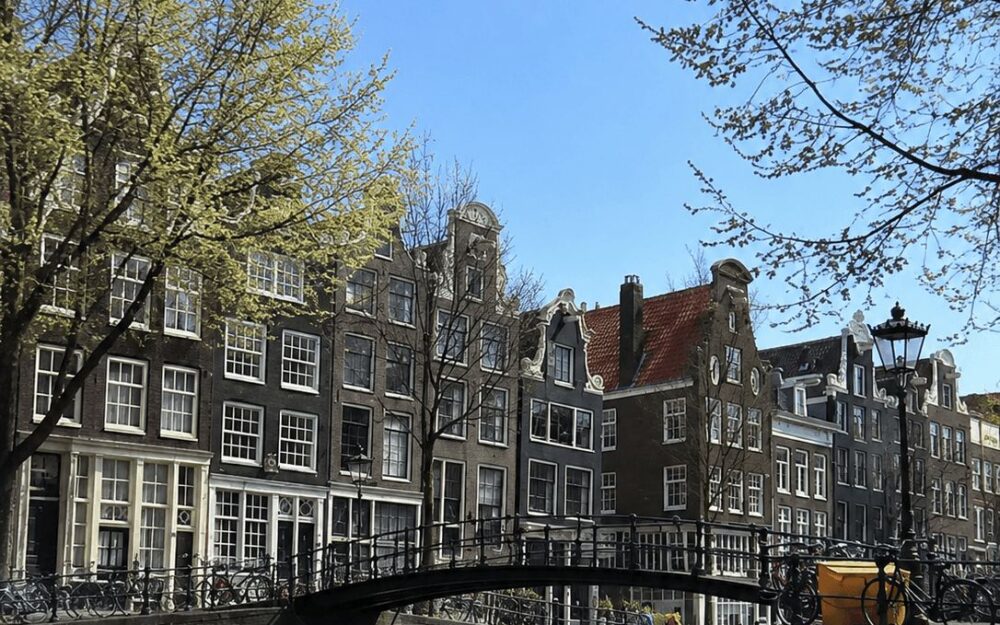
A quiet stretch of one of Amsterdam’s narrow centre streets.
How Season Changes Your Budget
Accommodation costs swing the most by season — see our full month-by-month timing guide for the underlying weather and crowd patterns driving this.
| Season | Accommodation Impact | Other Costs |
|---|---|---|
| Jul–Aug (peak) | Highest of the year, often 30-40% above winter | Restaurants busier; book ahead to avoid premium last-minute options |
| Late Apr (King’s Day) | Sharp short-term spike around 27 April | Free street events offset some costs |
| Nov–Feb (outside NYE) | Lowest of the year | Indoor activities (museums) become a bigger share of spending |
Budget Breakdown: Solo vs Couple vs Family
| Traveler Type | Daily Budget (mid-range) | Notes |
|---|---|---|
| Solo traveler | ≈ €150–180 | Single hotel room cost is the main driver |
| Couple | ≈ €220–280 total | Shared room cost brings the per-person rate down |
| Family of 4 | ≈ €380–480 total | Often needs 2 rooms or a family suite; museum costs scale per person |
Ways to Reduce Costs Without Cutting Activities
- Travel in shoulder season (May, September) for lower accommodation costs without losing good weather.
- Mix casual and sit-down meals rather than restaurant dining for every meal.
- Walk instead of tram for short distances — Amsterdam’s compact centre makes this genuinely pleasant rather than a sacrifice.
- Compare the I Amsterdam Card against your specific plan — it can save money at the right usage level; see our full cost breakdown before deciding.
- Book day trip train tickets the same day rather than in advance — Dutch regional trains don’t carry the advance-purchase discounts some countries offer, so there’s no penalty for waiting.
The single most effective budgeting habit, more than any individual tip above, is simply deciding your spending priorities before you arrive rather than figuring them out reactively in the moment. A traveler who knows in advance that museums matter more to them than restaurant dining can comfortably spend less on food without feeling like they’re missing out, while someone who prioritizes the food scene can trim a museum or two from the itinerary without regret. Trying to maximize every category at once is what produces budget overruns — a clear sense of what you actually came for tends to produce both a better trip and a more predictable final bill.
Build an actual quote before trusting any daily average
Take the specific dates and number of travellers in your booking, then price three accommodation options with all taxes and mandatory charges included. A seemingly inexpensive room outside the centre may become less attractive after several return train trips. Conversely, a self-catering room within walking distance of your main activities might reduce food and transport spending even if the room rate is higher. A daily budget is only a planning envelope: it is not a quotation for a future year and should never be presented as a guaranteed 2027 price.
For food, use a mixed day rather than assuming every meal has the same restaurant cost. A bakery breakfast, supermarket lunch and one sit-down dinner can produce a different total from three restaurant meals. Check whether your hotel includes breakfast; do not count it as both a room benefit and a separate expense. For attractions, list named museums and ticket categories, then price them from each official booking page. Children, students and residents may have different conditions, and some popular museums require advance time-slot reservations even when a discount or pass applies.
Three often-missed budget scenarios
First, add a weather reserve if your plan is mostly outdoors: on a day of heavy rain you may choose a paid indoor attraction, another local transport ride or a longer café stop. Second, add the cost of changing plans if you book everything on non-refundable terms; the lowest advertised rate may not be the lowest realistic cost for a family with uncertain arrival times. Third, separate your Amsterdam days from regional excursion days. A day visiting Texel may include a long rail or road journey, ferry tickets and bike rental that a simple city-wide average misses. For a useful comparison, see our guide to trip length and transport ticket explanation.
🙋 Frequently Asked Questions (FAQ)
How much does a trip to Amsterdam cost per day?
A budget traveler can manage on roughly €80-100 per day including a hostel bed, food and one paid activity. Mid-range travelers should budget €150-220 per day for a hotel room, restaurant meals and museum visits, while a comfortable trip runs €280 or more per day.
Is Amsterdam an expensive city to visit?
Amsterdam is moderately expensive by Western European standards, comparable to Paris or London for accommodation and dining, though public transport and many museums are reasonably priced relative to other major capitals.
What is the biggest cost when visiting Amsterdam?
Accommodation is consistently the largest single expense, often accounting for 40-50% of a total trip budget, followed by food and then museum or activity tickets.
How can I save money on an Amsterdam trip?
The biggest savings come from timing (visiting outside summer and King’s Day), booking accommodation early, mixing casual meals with one nicer dinner, and walking instead of taking trams for short distances.
Is it cheaper to visit Amsterdam as part of a longer Netherlands trip?
Often yes, per day. Spreading fixed costs like flights across more days, and mixing in lower-cost day trips outside the city, can lower your average daily spend compared to a short, accommodation-heavy city-only trip.
Final Recommendation
If your budget includes a day trip, Zaanse Schans remains one of the most cost-effective additions — a roughly €15 round-trip train ticket for a half or full day that consistently ranks as a trip highlight.
Plan Your Budget
🎟️ Museum tickets: rijksmuseum.nl
🚂 Train & transit tickets: ns.nl
🏨 Compare accommodation prices: Booking.com
🗺️ Organised day trips & tours: GetYourGuide
🌍 Spanish-language tours & activities: Civitatis
Sources: iamsterdam.com | ns.nl | gvb.nl | Personal observation — Noord-Holland | Details can change; check the linked official sources before booking