I’ve lived in the Zaanstreek long enough to watch the tourist patterns from both inside and outside — what visitors consistently miss is that the most interesting versions of this region’s character often sit just a few metres off the main tourist path. Here are the spots that residents actually love, and why.
Broek in Waterland: The Village That Looks Painted
This is the single spot I point people to most often when they ask what locals actually love about the area north of Amsterdam. The painted timber-framed houses in blues, greens and warm yellows alongside quiet waterways have an almost illustrative quality — the kind of scene that seems too perfect to be real. It’s 20 minutes by bus from Amsterdam Centraal, costs nothing to enter, and sees almost no foreign tourists on a typical weekday.
Zaandijk: The Real Zaanstreek
Zaanse Schans is a curated open-air museum — beautiful, worth visiting, but not where Zaanstreek residents actually live. The village of Zaandijk, just across the river, is where the authentic green-painted wooden houses line real streets that real people walk every day. The historic Lagedijk street in particular could be a time-travel experience if you arrive early enough to avoid even the modest local traffic.
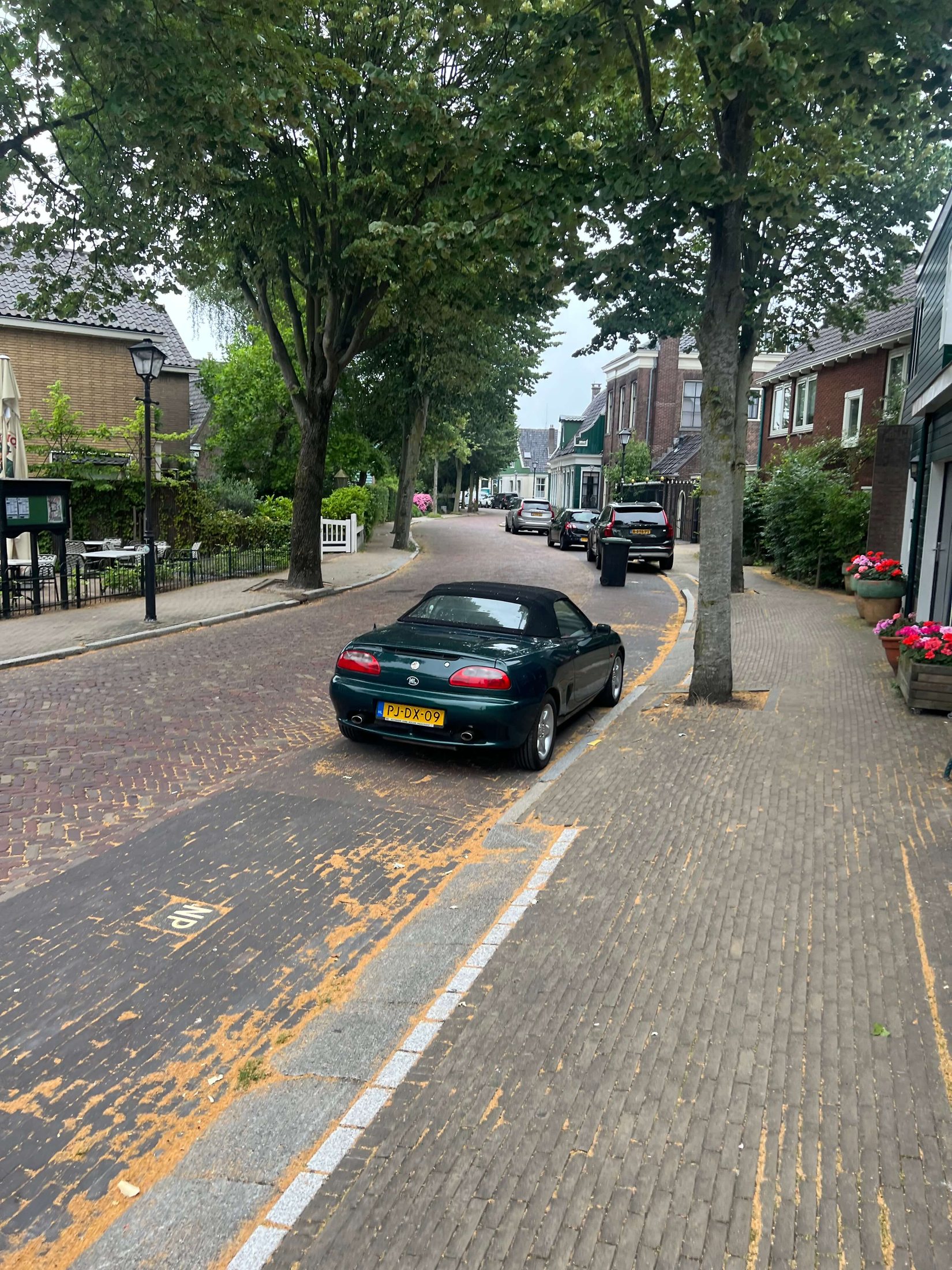
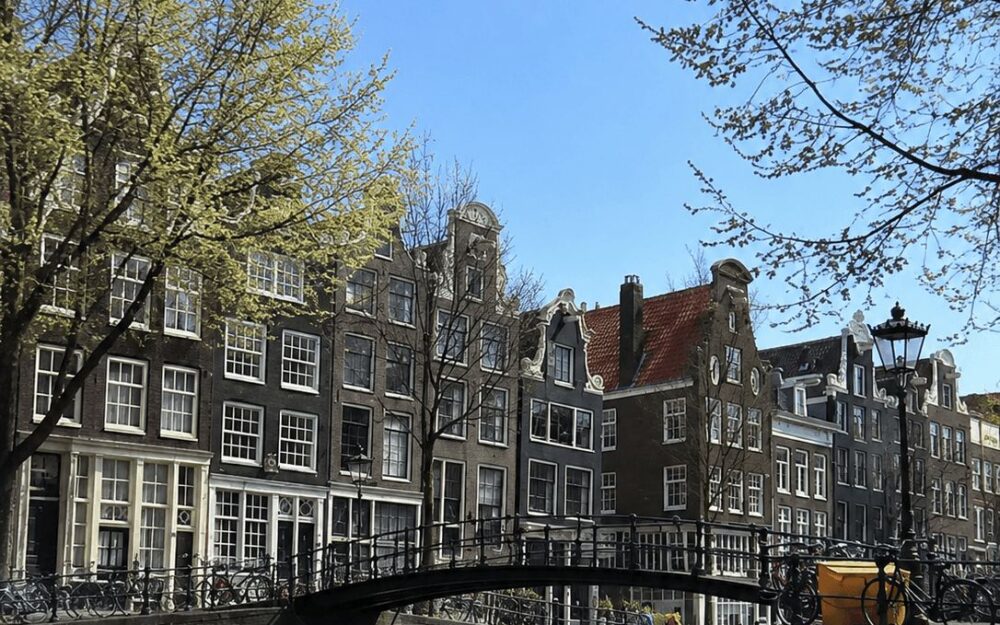
Lagedijk runs through historic Zaandijk, directly across the river from Zaanse Schans.
The Ilperveld: Amsterdam’s Secret Marshland
Directly north of Amsterdam, barely 15 minutes by bike from the city’s northern edge, lies the Ilperveld — an ancient marshland with narrow waterways, reed beds, and enough birdlife to make serious birdwatchers forget they’re adjacent to one of Europe’s busiest cities. Boat tours run through the area in summer; cycling the perimeter paths on a weekday morning is free and remarkable.

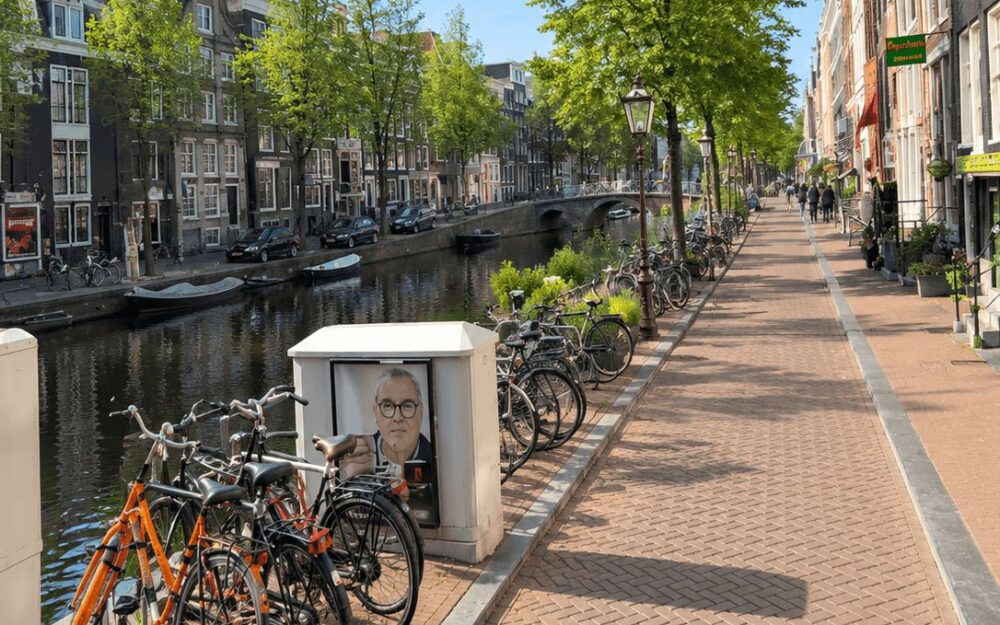
Flat cycling paths lead from Amsterdam into the open polder landscape.
Westzaan and Jisp: Forgotten Zaan Villages
The Zaanstreek’s surviving polder villages — Westzaan, Jisp, and Knollendam among them — sit in a landscape that has barely changed in 200 years. These small communities of wooden farmhouses alongside narrow canals and windmill stumps are less convenient to visit than Zaanse Schans (no direct train), but cycling or driving through them on a clear morning is one of the best ways to understand what the region looked like before tourism concentrated so heavily on a single showcase site.
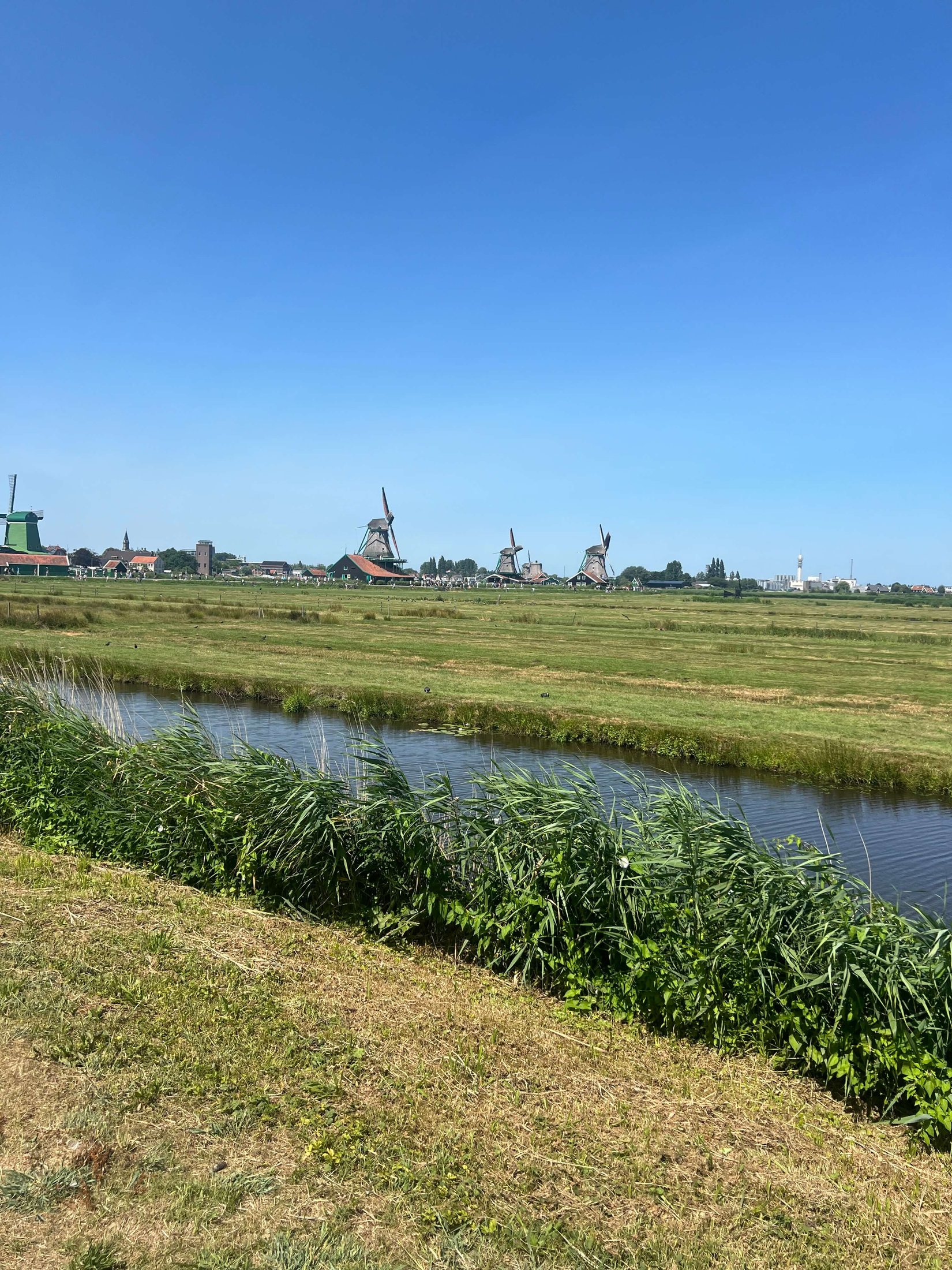
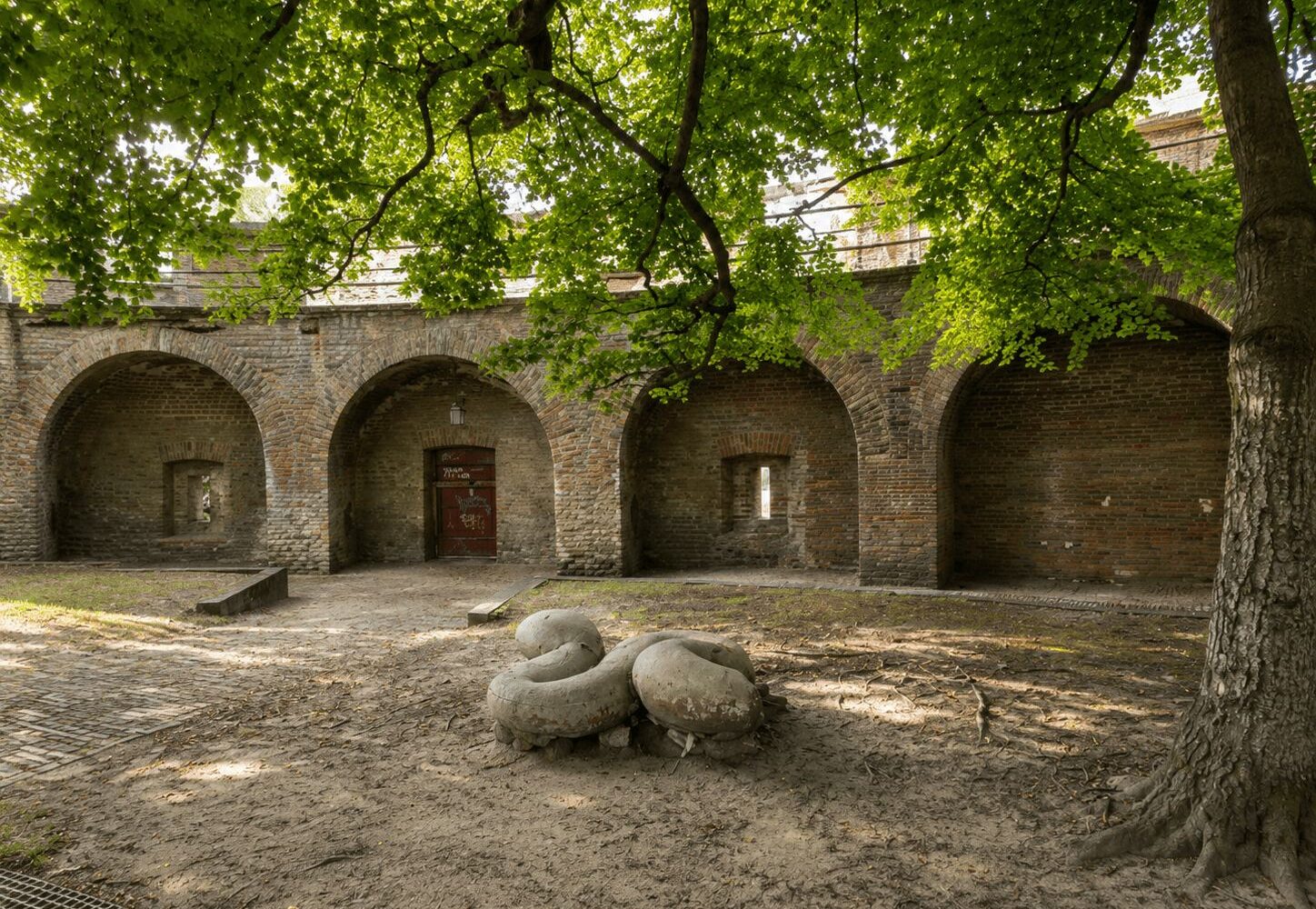
The Zaanstreek’s surrounding polder offers a wider, quieter view beyond the busiest paths.
The Julianabrug at Dawn
The bridge connecting Zaandijk to Zaanse Schans is the viewpoint for the most famous windmill photographs in Noord-Holland — but the version that appears in those photos almost never includes the thing that makes it genuinely special: the early morning stillness, the water completely calm before boat traffic starts, and the low light catching the green wooden facades before any tourists arrive. A weekday arrival before 8 AM in summer produces images and an experience that midday tour-bus crowds never access.
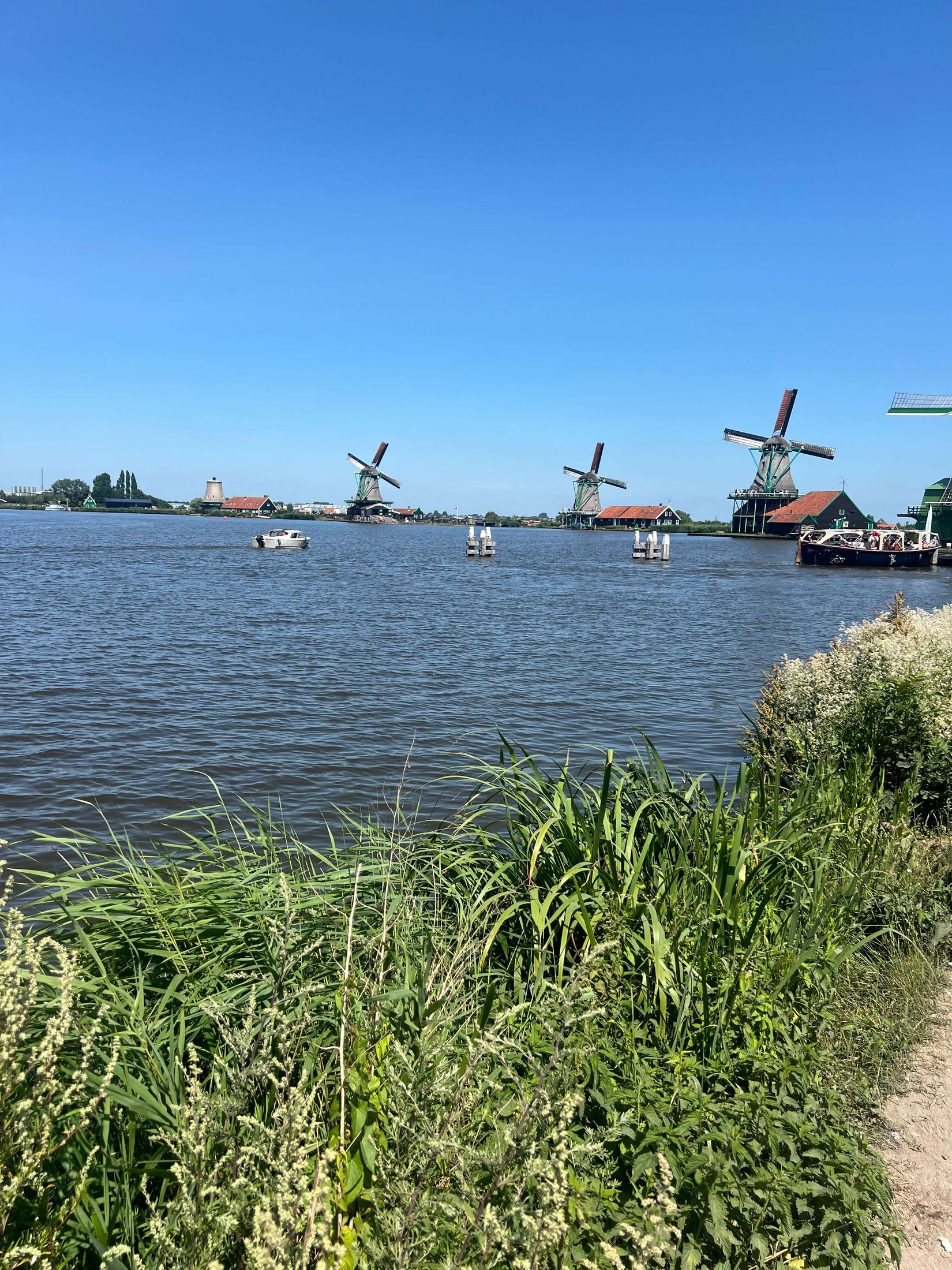
Crossing the River Zaan opens up a broad view of the windmill line away from the central walkway.
The North Sea Coast Beyond Zandvoort
Zandvoort is the most famous beach near Amsterdam, but the coastline extending northward into the Kennemerduinen national park is far less visited, far quieter, and arguably more beautiful — wide open dune landscapes that rival anything in northwestern Europe and see almost no one outside of summer weekends.
What “hidden” means within easy reach of Amsterdam
A place does not need to be unknown to residents to be a rewarding alternative to an organised sightseeing route. Broek in Waterland, Westzaan and Jisp are lived-in communities rather than visitor attractions built around ticketed entrances; the interest lies in their landscape and the way people have adapted to water. Expect ordinary shops and homes, not a row of museums or a guaranteed café on every corner. In the Ilperveld, the marshland habitat is the reason to visit and access may depend on marked paths or organised activities. Around Zaandijk, river views and industrial history add a different sort of interest. Start by defining what you want to experience: quiet walking, wildlife, traditional houses, a short bike ride or a coast-and-dunes excursion. That choice determines whether you need a train, a regional bus, a bicycle or a car. Do not interpret “hidden gem” as permission to explore private land.
A Waterland morning: Broek in Waterland and the marshes
Broek in Waterland works well as a slow walk through public village streets, with time to notice painted wooden houses and the small waterways. Its residential character is the attraction, so avoid large group behaviour, loud conversations at front doors or intrusive photography. If you would like a landscape extension, check the official visitor arrangements in the Ilperveld before planning to enter. Some reed beds and waterways are sensitive habitats; wildlife viewing can be seasonal, and some experiences depend on a guided boat or designated public route. A binocular can be more useful than an elaborate photography kit. Dress for exposed wind and potentially wet ground and plan food and toilets before you leave the city. A quiet morning is successful when you have observed a different side of the region, even if you see no rare birds or dramatic sunset.
Zaandijk, Westzaan and Jisp: three distinct Zaan landscapes
Zaandijk gives you an opportunity to see the historic village fabric close to the river, not simply a different angle of the windmills. Westzaan and Jisp are better approached as scenic rural excursions, with polder views and smaller settlements rather than a dense programme of paid attractions. You should not assume that every lane offers a public walking route or that a private farm track is a cycle path. Check local route maps and keep out of the way of agricultural vehicles. If you want to combine all three, a bicycle can make the geography more coherent than a chain of infrequent local bus connections, but plan a route that matches the ability of the slowest cyclist and the weather. For a shorter day, choose just Zaandijk and the river. Our Zaan region guide provides more historical context and a narrower itinerary.
The coast as a quieter alternative: set expectations
The North Sea coast offers a different landscape from the postcard villages near Amsterdam. A trip into the dunes or towards a less built-up stretch of beach is about space, weather and walking rather than a guarantee of solitude. Even quieter coastal areas can be busy on a sunny holiday weekend, and nature-reserve paths may have seasonal restrictions. Consult the official management body for permitted walking and cycling routes; fragile dune vegetation can be damaged by people wandering off-path for photographs. Wind can make the coast feel considerably colder than Amsterdam, so a flexible jacket and sturdy shoes matter more than a precise city forecast. If you are travelling with children or someone with limited mobility, favour a clearly marked entrance with suitable facilities rather than a remote trail with uncertain surfaces and no nearby shelter.
Choose a route that can withstand a changed forecast
A dry day suits a longer Waterland or polder walk, while a cold, rainy morning may be better spent in a town with cafés and an indoor stop. Do not plan the Ilperveld as if you can simply arrive at any hour and start a private boat trip. For a first visit without a car, take one village reached by a workable public-transport connection and leave your return journey flexible. With a car, check the actual parking rules and avoid residential driveways. On an e-bike, note that cold weather and headwinds can reduce range and make the final leg harder than it appears. The point of an alternative excursion is to spend time observing the landscape, not to collect the highest number of pin locations. Build a generous stop into the day and you are more likely to enjoy whatever the weather allows.
Practical expectations and a respectful visitor checklist
Check access on an official map, choose a legal parking or transit stop, carry water and take any rubbish back with you. Keep dogs under control where required by signs, close any gates that public routes legitimately pass through and give cyclists and local residents space. If a viewpoint sits behind a fence or a working farm, look for a public alternative rather than treating the fence as a suggestion. For photographs, a patient wait on the public path produces a better memory than a hurried trespass. If you want an itinerary with more facilities, see our small Dutch towns guide; if you mainly want an Amsterdam neighbourhood rather than a rural day trip, our Amsterdam beyond the tourist trail guide is a closer fit. These are different experiences and should not be sold as interchangeable.
🙋 Frequently Asked Questions (FAQ)
What are the hidden gems near Amsterdam?
Some of among the most rewarding lesser-known spots near Amsterdam include Broek in Waterland, the Zaandijk village centre beyond Zaanse Schans, the Ilperveld nature reserve, and the polders north of Amsterdam accessible by bike.
What do locals do near Amsterdam on weekends?
Many Amsterdam locals cycle into the surrounding polders and small villages — Waterland, Zeevang, and the Zaanstreek countryside are all popular weekend cycling destinations that see almost no foreign tourists.
Where should I go in Noord-Holland if I want to avoid tourist crowds?
The Waterland region north of Amsterdam and the Zaanstreek villages (Zaandijk, Westzaan, Jisp) see a fraction of the tourist traffic of Zaanse Schans while offering similar Zaans architecture and polder landscapes.
Do you need a car to reach these hidden gems?
Most are reachable by bike or bus from Amsterdam, and cycling is genuinely among the most rewarding way to explore the polders — the flat terrain makes even longer cycling routes manageable for most fitness levels.
Final Recommendation
For more on the Zaanstreek beyond the tourist circuit, see our local’s guide to the Zaan region.
Explore the Region
🚲 Cycling routes: noord-holland.nl
🚌 Bus schedules: 9292.nl
🚂 Train & transit tickets: ns.nl
🏨 Compare accommodation prices: Booking.com
🗺️ Organised day trips & tours: GetYourGuide
🌍 Spanish-language tours & activities: Civitatis
Sources: Personal observation — Zaanstreek, Noord-Holland | noord-holland.nl | Details can change; check the linked official sources before booking