
I live in Zaandijk and cross the Julianabrug regularly. Here is what ten years of crossing it at different hours and seasons has taught me about the photography.
The single best shot I have ever seen taken at the Julianabrug was not mine — it belonged to a Japanese photographer who arrived at 7:20 AM on a foggy October morning with a tripod and a 70-200mm lens and waited for thirty minutes until a single cormorant landed on the water exactly between the reflections of the two closest windmills. He showed me the image on his camera screen. It was extraordinary. I have been arriving earlier ever since.
Here’s a rundown of the spots that consistently deliver.
Top Photo Spots
| Spot | Best For | Best Time |
|---|---|---|
| Julianabrug bridge (peak) | Full panoramic windmill row reflection | Early morning or sunset |
| Riverside path near De Kat | Close-up windmill detail shots | Any time, best in soft morning light |
| Village green house row | Traditional architecture, street-level shots | Early morning, before crowds arrive |
| Cheese farm courtyard | Candid, lifestyle-style shots | Mid-morning, when activity picks up |
| Zaandijk station platform | Wide shot with the windmills visible across the water | Late afternoon |
The Julianabrug Bridge: The Iconic Shot
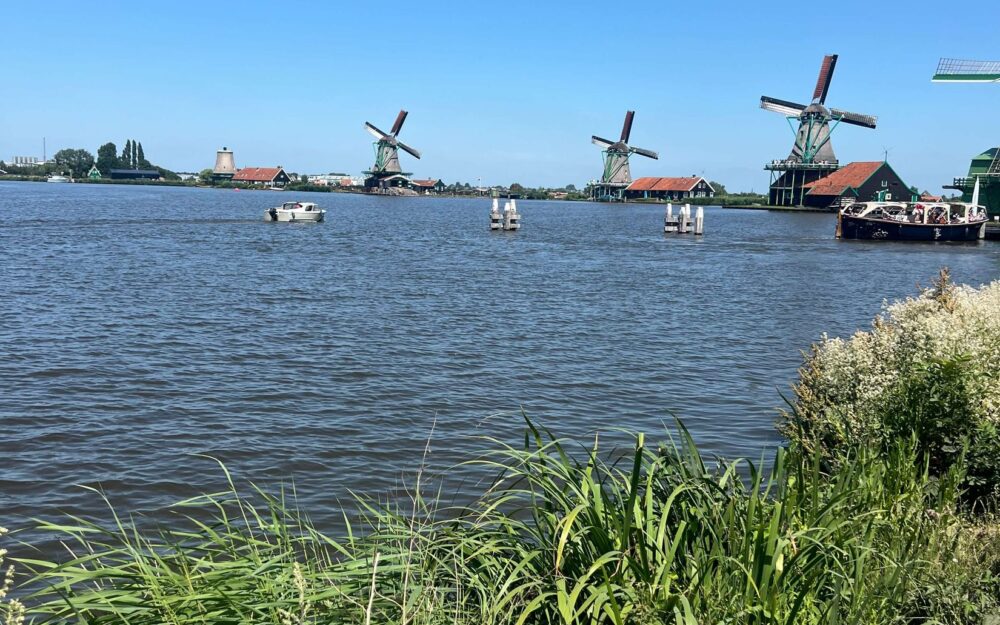
From the peak of the bridge, the full row of windmills lines up across the calm water in a single frame, with reflections doubling the visual impact on a still day. What the photos don’t show: the bridge itself is arched, which means you need to be at the exact apex — not halfway up — for the unobstructed waterline view. I’ve watched visitors stop 10 metres short and wonder why their photo looks different from the reference images they’re working from., with their reflections doubling the visual impact on a still day. Arriving before 9:15 AM gives you this view without other visitors crowding into the shot.

The classic view from the Julianabrug bridge — the reason to arrive early.
Close-Up Windmill Detail
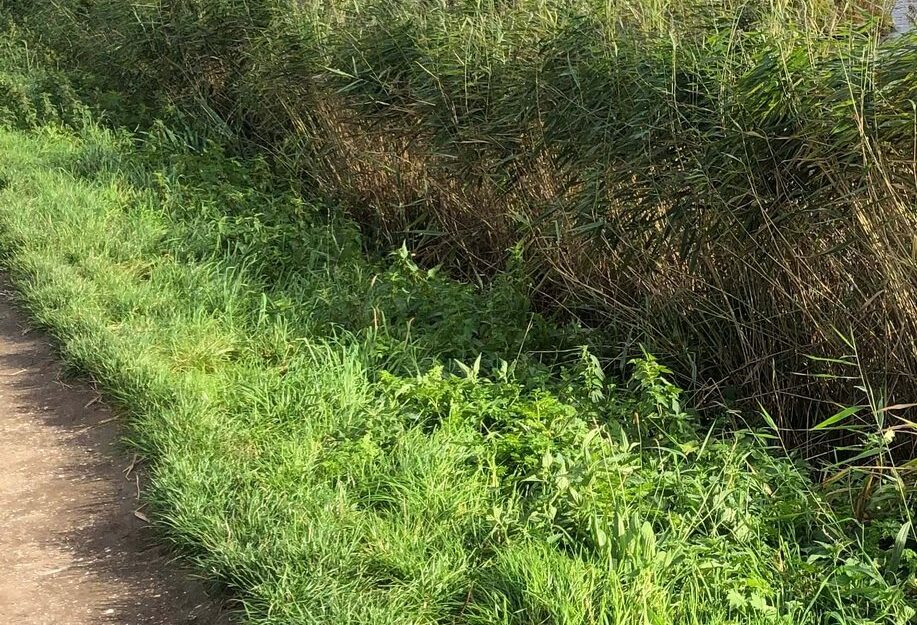
Walking the riverside path past De Kat (the paint windmill) and its neighbours lets you get close enough to capture the sail structure and wooden detail rather than just a distant silhouette. Morning light works particularly well here, with the sun angle highlighting the wood grain texture.
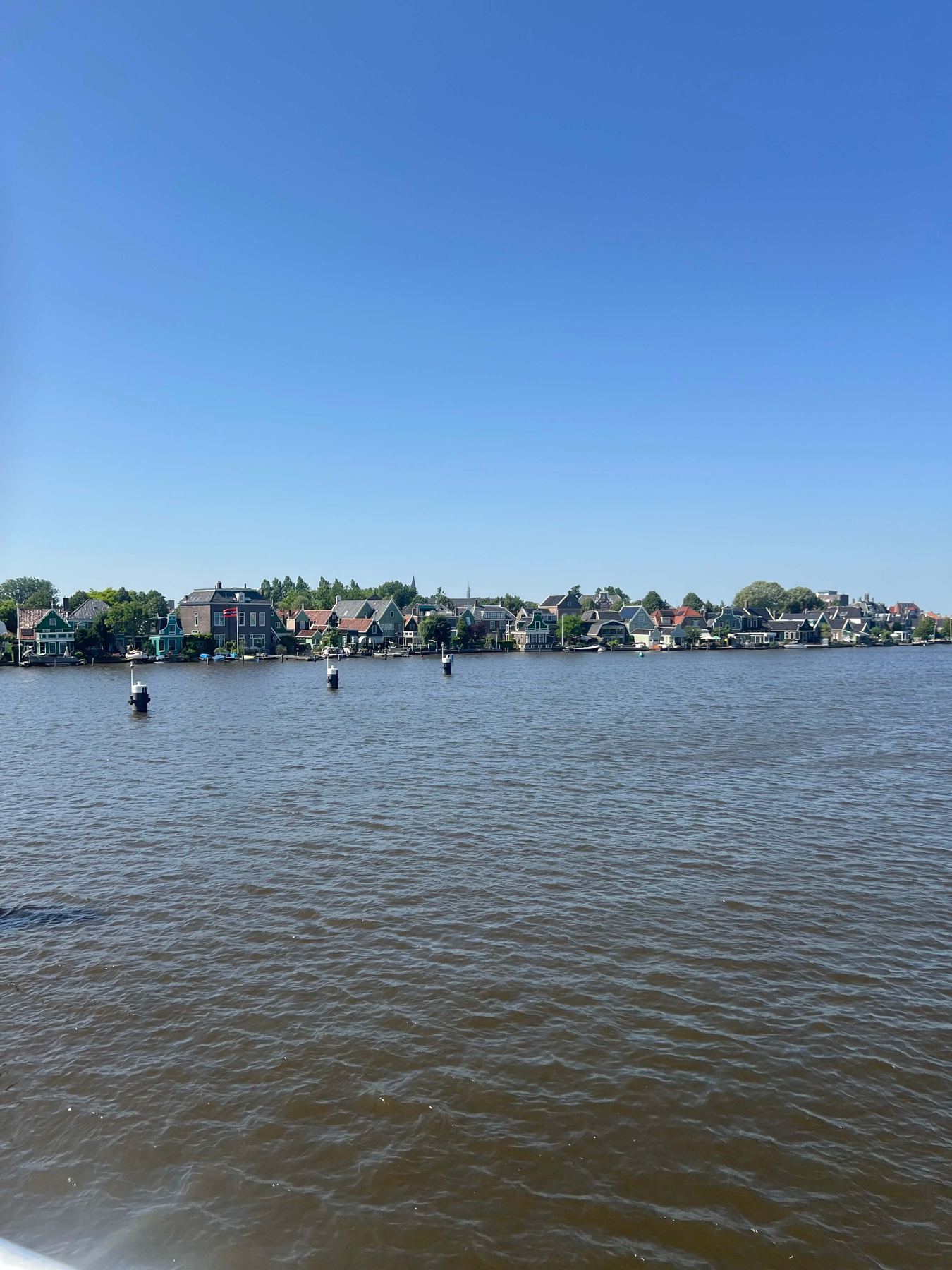
Zaandijk seen from across the water.
The Traditional Village Houses
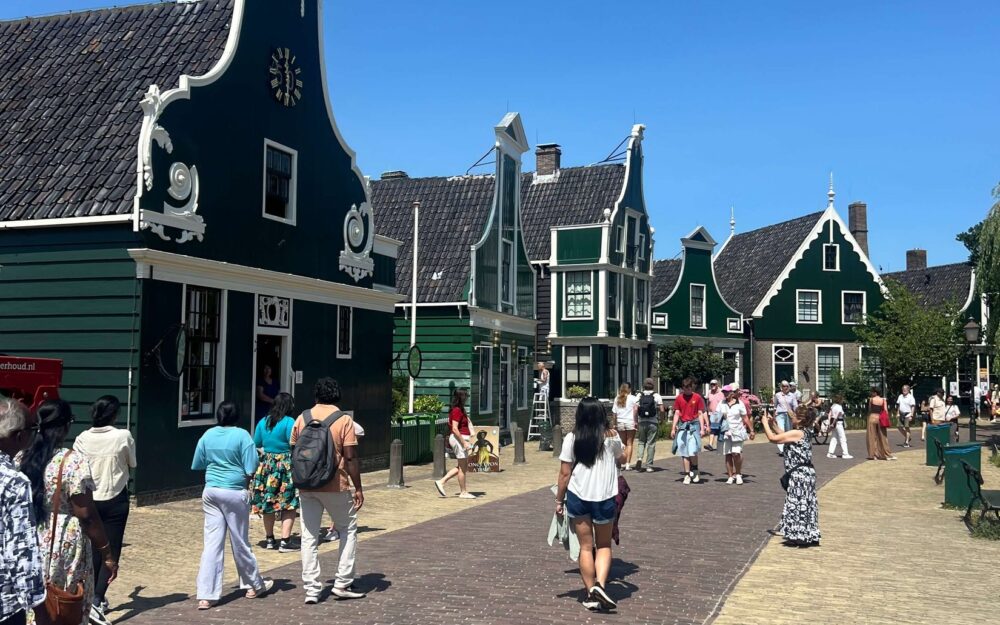
The row of bright green wooden houses along the main path offers a different kind of shot — less iconic than the windmills, but genuinely representative of traditional Zaanstreek architecture. Early morning, before the crowds fill the narrow paths, gives you clean compositions without people in frame.
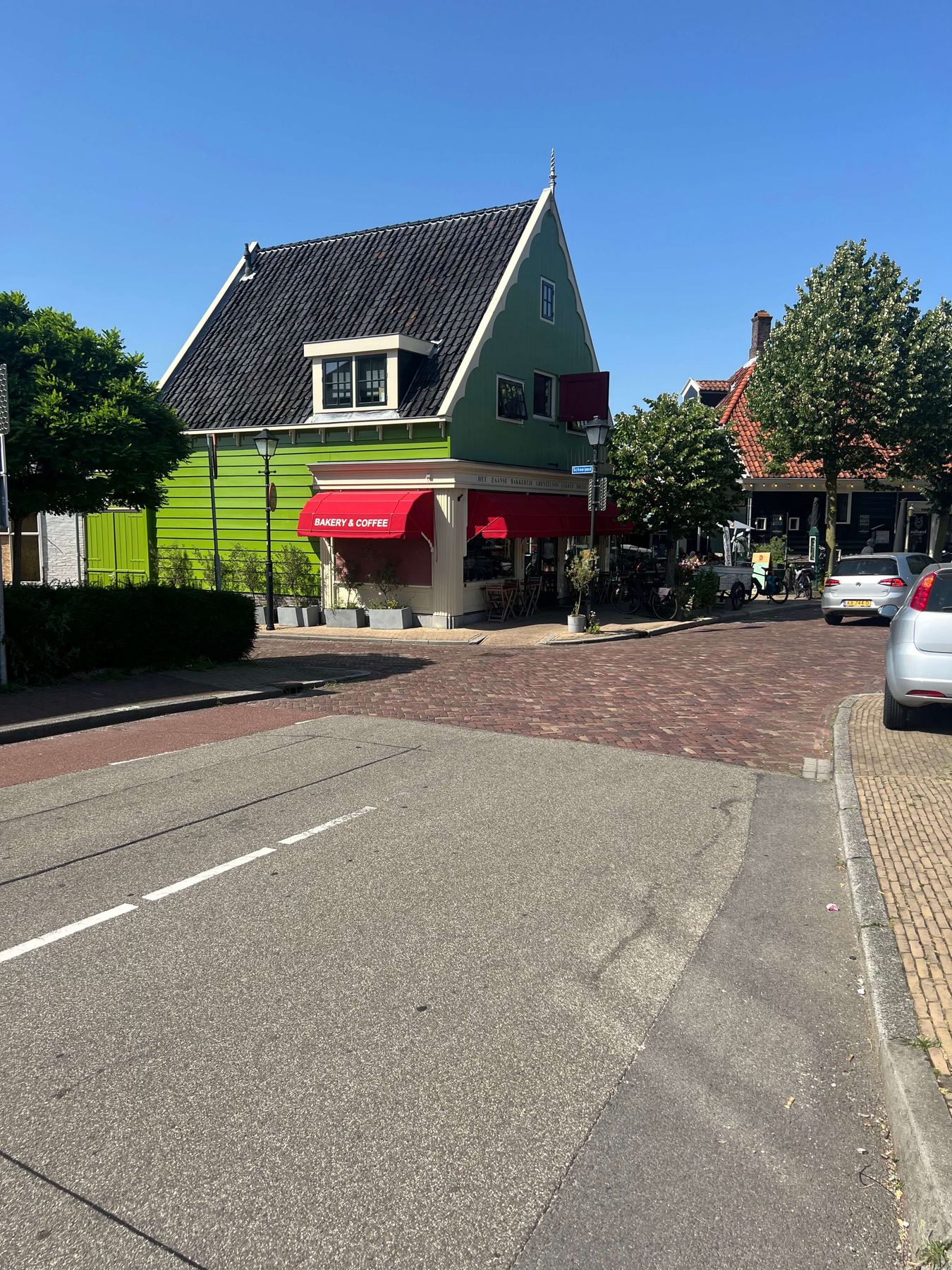
A working bakery in one of Zaandijk’s traditional green wooden houses.
Seasonal Photo Considerations
- Spring: Fresh green grass and clear skies, often the cleanest overall conditions.
- Summer: Strong, sometimes harsh midday light; aim for early morning or evening instead.
- Autumn: My preferred season. The golden hour in late September or October runs longer here than elsewhere I’ve shot in the Netherlands — the flat landscape lets the low sun travel further before losing quality, and the slightly misty mornings that October brings to the Zaanstreek create a diffused softness that midday or summer light never produces.
- Winter: Starker, moodier shots; occasional frost or ice adds a distinctive seasonal element (see our winter visit guide).

A quiet residential street in Zaandijk, a short walk from Zaanse Schans.
A Photography-Focused Visit Plan
8:45 AM — Arrive via early train, beating the bulk of tour bus arrivals.
9:00 AM — Head straight to the Julianabrug bridge for the calm-water panoramic shot.
9:20 AM — Walk the riverside path for close-up windmill detail shots while the light is still soft.
10:00 AM — Capture the village house row before the paths fill with the day’s main crowds.
Late afternoon (optional return) — Revisit the bridge for a different lighting angle if your schedule allows.
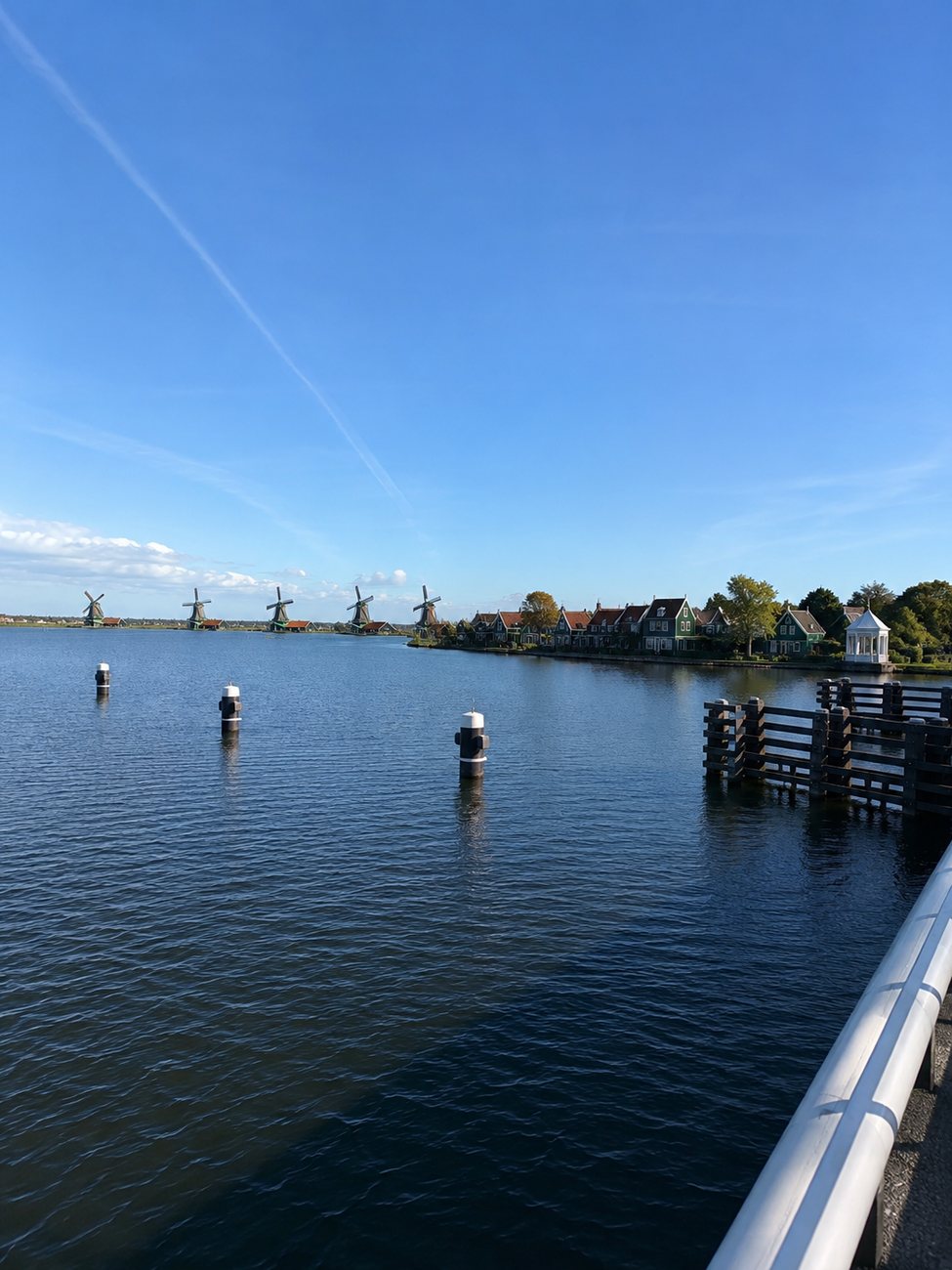
The panoramic view from the Julianabrug bridge, looking over Zaanse Schans.
A walking photo route that does not depend on a perfect sunrise
Begin on the public approach from Zaandijk and make your first frame a wide scene establishing the row of mills, riverbank and foreground. From there, walk into the village and switch to a closer viewpoint that shows one building in context rather than forcing every windmill into the same frame. A mid-range lens or ordinary phone camera can work well here: the important decisions are what you leave outside the image, how level the horizon is and whether your subject remains recognisable against nearby roofs or trees.
At the river, compare a frame containing water with another that includes the path, railing or grass. A broad reflection may be attractive when the water is calm, but a windy day can make water texture and moving sails more interesting than a mirror effect. Photograph any public bridge from an area where you are not obstructing pedestrians or cyclists. If you pause at the Julianabrug, make sure you are using an appropriate pedestrian space and avoid leaning into traffic to extend your camera over the water. A slightly different composition is not worth creating a hazard.
Three compositions for the same windmill
The establishing photograph gives your reader the whole setting: approach, neighbouring buildings and the scale of the river. The working-detail photograph records sails, timber surfaces or the relationship between a mill and its industrial surroundings; it can tell more about the place than a postcard view. The visitor-scale photograph uses a person walking on an open path to show the size of the structure, but do not photograph strangers at close range and then present them as models without consent. If the area is busy, concentrate on the landscape or wait for a natural gap rather than directing visitors to move out of your shot.
Different focal lengths alter the apparent relationship between mills. A longer focal length can make several buildings look closer together; a wide-angle camera captures the environment but may make a nearby mill lean when the phone is tilted. Keep vertical lines reasonably upright by stepping back rather than applying extreme corrections afterward. Take a few landscape-format images for a blog feature and portrait-format images for a phone screen, but resist taking hundreds of nearly identical photographs at every stop.
Weather, season and the light you actually have
Soft overcast light helps preserve detail in dark timber and bright sky; it is not automatically worse than golden sunlight. In bright conditions, expose for the highlights and allow some shadow instead of making the sky completely white. In drizzle, wipe the lens and use darker wet paving as a foreground detail; do not carry an umbrella in a way that blocks narrow paths. In winter the light changes quickly and attractions may shut earlier, so confirm indoor admission separately if you want to photograph machinery. Our rain guide and seasonal guide help you plan a flexible photographic visit.
Respect the place behind the photograph
Zaanse Schans contains working heritage sites and homes. Keep private gates closed, obey signs and do not enter a garden to remove a fence or tree from your composition. Inside a working mill, ask staff whether photographs are permitted and follow restrictions around machinery and other visitors. Do not assume a visually empty interior means you can move barriers. The fact that a public walking route is accessible does not make every adjacent building public.
Drone use requires a separate legal and location-specific check. Aviation restrictions, privacy, nature protection and any site-specific rules can apply; a statement that drones are always permitted or always forbidden would be misleading without a current check for the exact flight area. For most casual visitors, good photographs from authorised ground-level viewpoints are easier and more respectful. If you need a compact general itinerary around the best-known buildings, see our half-day route; it prevents chasing distant views when you have limited time.
🙋 Frequently Asked Questions (FAQ)
What time is best for photography at Zaanse Schans?
Early morning, ideally before 9:30 AM, offers the best combination of soft light and minimal crowds. Evening, especially around sunset, is also excellent and benefits from the grounds staying open after the paid attractions close.
What is the best viewpoint of the windmills at Zaanse Schans?
The peak of the Julianabrug bridge offers the most complete panoramic view of the windmill row reflecting in the water, and is the single most photographed spot in the village.
Can you fly a drone at Zaanse Schans?
Drone use is generally restricted in this area without specific permission, given its proximity to flight paths and residential areas. Check current Dutch drone regulations before bringing one.
Is Zaanse Schans good for photography in any weather?
Yes, though the style of shot changes — sunny days give vibrant colour and reflections, while overcast or rainy conditions can produce moodier, equally compelling images, particularly around the water.
Final Recommendation
For the full timing breakdown of how long to spend on-site around your photography plans, see our guide on how long you need at Zaanse Schans.
Plan Your Visit
🎟️ Tickets: dezaanseschans.nl
🚂 Train & transit tickets: ns.nl
🏨 Compare accommodation prices: Booking.com
🗺️ Organised day trips & tours: GetYourGuide
🌍 Spanish-language tours & activities: Civitatis
Sources: dezaanseschans.nl | Personal observation — Zaanstreek, Noord-Holland | Details can change; check the linked official sources before booking