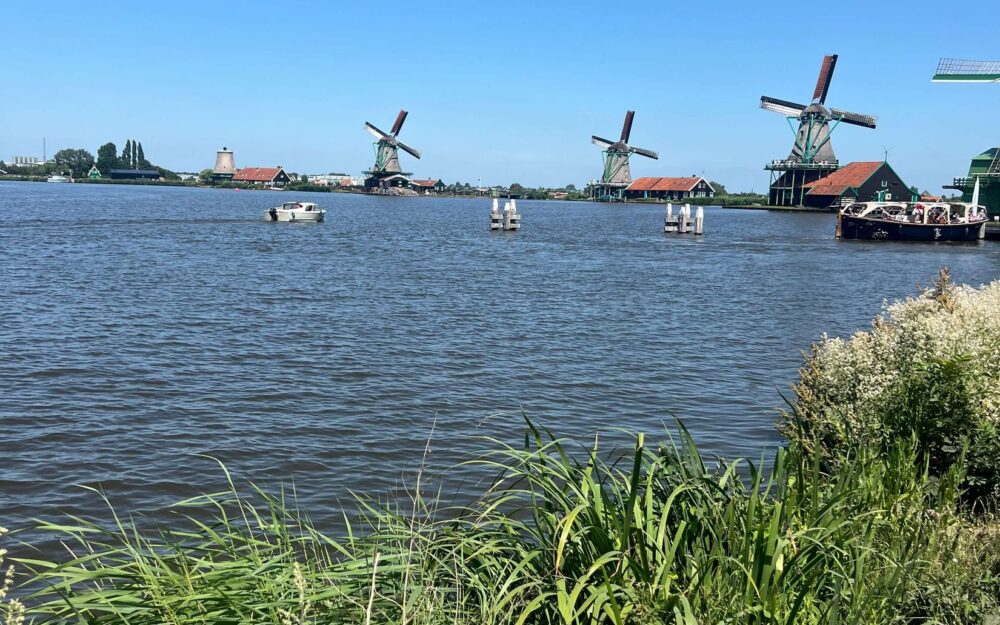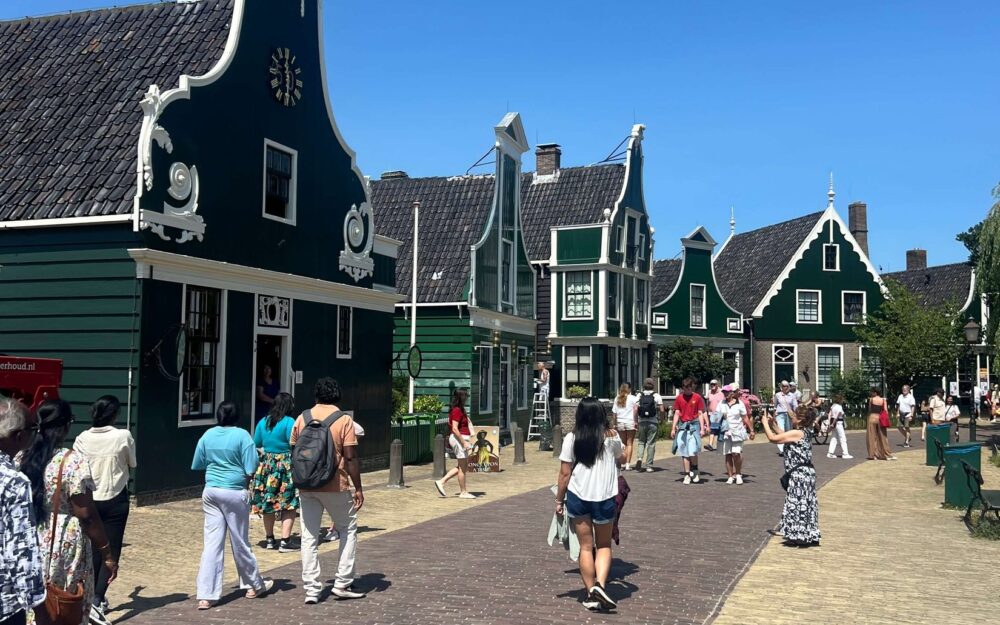
Zaanse Schans in winter feels different from the bright green-and-blue version used in travel brochures. The grass can be wet, the sky low and the wind sharp along the river. That sounds like a disadvantage, but the quieter paths reveal details that disappear beneath summer crowds.
I live in Zaanstad and experience the same winter weather around the village in ordinary life, not only on a perfectly timed snowy morning. Snow is possible but not dependable. Grey, damp and windy conditions are more realistic. A useful winter guide should prepare you for that version, because it can still be beautiful when planned well.
Zaanse Schans in Winter at a Glance
| Winter factor | What to expect | How to plan |
|---|---|---|
| Crowds | Generally lower than peak spring and summer | Use midday for warmth and open attractions rather than chasing an empty 8 a.m. path |
| Daylight | Short, especially around December | Keep the visit within the central daylight window |
| Weather | Cold, damp, windy and changeable | Wear windproof and waterproof layers |
| Windmills | Exterior views remain; interiors may vary | Confirm individual opening and operating information |
| Food and shops | Some options may have reduced schedules | Check before relying on one specific lunch stop |
| Photography | Low light, reflections and fewer people | Protect equipment from rain and condensation |
Is Zaanse Schans Open in Winter?
Public outdoor routes and the view of the windmills do not operate like one indoor attraction with a single door. Individual mills, museums, shops and demonstrations set their own schedules and may change them according to season, maintenance, staffing or weather.
That means the useful question is not only “Is Zaanse Schans open?” Ask:
- Is the specific windmill I want to enter open?
- Is the Zaans Museum open on my date?
- Are the wooden shoe and cheese demonstrations operating?
- Where can I warm up and eat?
- What time does usable daylight end?
Check the official visitor site and the individual attraction pages within a few days of travel. A seasonal overview written months earlier cannot guarantee one mill on one winter afternoon.
Zaanse Schans in December
December has the shortest days and an early evening feel. Plan the main outdoor route around late morning and early afternoon. Holiday periods can create busy pockets even when winter is generally quiet, particularly when Amsterdam receives large numbers of seasonal visitors.
Do not build the trip around snow. A clear cold day, damp grey day or windy rain is more likely than a guaranteed white landscape. Christmas decorations and warm interior light can add atmosphere, but opening schedules around holidays require extra checking.
Best December strategy
Arrive after the morning has properly brightened, walk the main river route, enter one confirmed mill or museum and take a warm food break before returning in the afternoon. Avoid leaving the longest outdoor section until the light is fading.
Zaanse Schans in January
January is often the quietest-feeling month. It can be excellent for visitors who dislike crowds and photographers who prefer subdued winter colour. It can also feel exposed and raw when wind crosses the water.
Maintenance and reduced schedules matter. Confirm rather than assuming every demonstration runs exactly as it did in summer. Bring a flexible alternative, such as more time in the Zaans Museum or a shorter outdoor walk followed by Zaandam or Amsterdam.
Best January strategy
Choose quality over duration. A three-hour visit with one strong interior and a quiet windmill walk is better than staying six cold hours because the destination was expected to fill a day.
Zaanse Schans in February
February begins to recover daylight, but winter weather can remain fully present. Crisp days offer attractive low light, while rain and strong wind still require a sheltered route. Visitor numbers may increase during school holidays or a particularly pleasant weekend.
Late February can feel like the edge of spring without actually providing spring conditions. Dress for winter first and treat sunshine as a bonus.
Best February strategy
Use the longer afternoon for photography, but verify closing times. The outdoor landscape can remain attractive after an interior closes, yet you do not want to discover that your only planned mill is already unavailable.
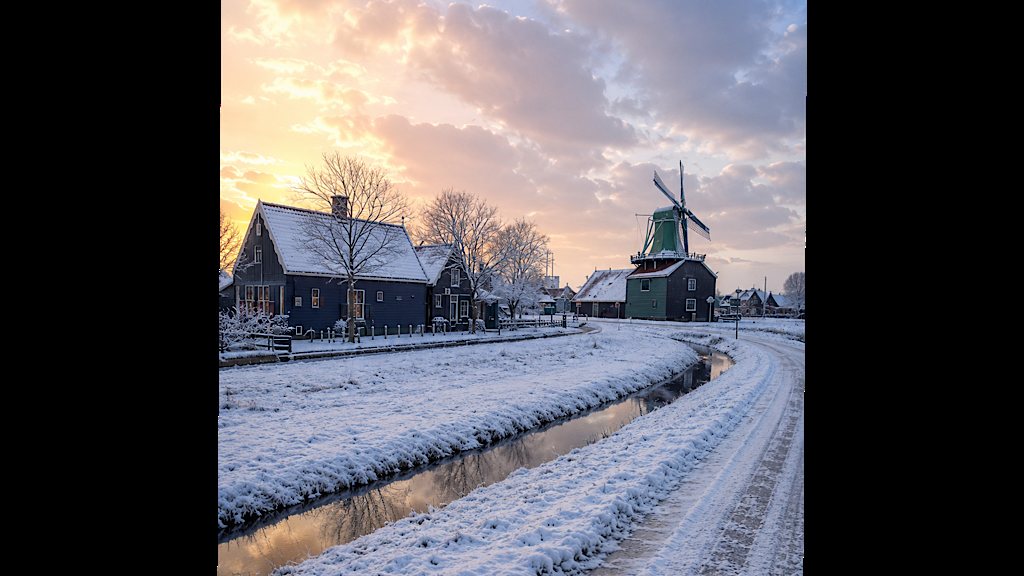
Winter is more often quiet, grey and atmospheric than reliably snowy.
Winter Weather: What It Actually Feels Like
Temperature alone does not describe Zaanse Schans. Wind beside the open river and damp air can make a moderate reading feel much colder. Standing still to photograph a windmill is different from walking briskly through Amsterdam streets.
Expect changing conditions. A dry forecast does not remove the need for a waterproof layer, and bright sun does not guarantee warmth. Check a reliable short-term forecast on the morning of the visit.
What to Wear
- Windproof outer layer: more important than a fashionable heavy coat that lets wind through;
- Water-resistant shoes with grip: for damp paths and bridges;
- Warm socks: particularly if standing for photographs;
- Gloves and hat: exposed hands cool quickly beside the river;
- Layered clothing: indoor attractions can feel warm after the path;
- Small waterproof bag: for phones, batteries and tickets.
Umbrellas are less useful in strong wind and crowded narrow spaces than a good waterproof jacket.
Which Windmills Can You Visit?
Several windmills may offer winter access, but do not publish a permanent list as if operations never change. Select the mill you most want to see, then verify its schedule. De Kat, Het Jonge Schaap and the oil or spice mills provide different experiences when available.
Wind can make the machinery active and exciting, but extreme conditions or maintenance may affect access. Read our Zaanse Schans windmill guide to choose alternatives before the day.
Best Indoor Stops
Zaans Museum
The museum is the strongest winter anchor because it provides substantial indoor time and regional context. The Verkade Experience adds moving industrial equipment and familiar food history.
Working windmill interior
A mill gives shelter but is not necessarily warm or easily accessible. Historic timber buildings, steep stairs and open decks remain part of the experience.
Wooden shoe workshop
The demonstration is short and useful between outdoor sections. Check current times and avoid entering behind a very large group.
Cheese farm
Tasting and shopping provide another indoor pause. Treat it as a short stop rather than guaranteed long-term shelter.
A Three-Hour Winter Itinerary
0:00–0:35 — Arrive through Zaandijk, cross the Julianabrug and take the broad windmill photographs while energy and light are good.
0:35–1:20 — Walk the river path and enter one confirmed working mill.
1:20–2:00 — Warm indoor stop at the wooden shoe workshop or cheese farm.
2:00–2:40 — Lunch, hot drink or a focused museum section.
2:40–3:00 — Return with daylight and transport margin.
If the Zaans Museum is a main priority, extend the itinerary by 90 minutes or replace the shorter workshop block.
Winter Photography
Winter offers lower sun, bare branches, reflective wet surfaces and fewer people. The Julianabrug remains a strong establishing viewpoint. The riverbank provides closer compositions and changing relationships between mills.
Protect spare batteries from the cold and keep a lens cloth available. Moving from cold outdoor air into a warm interior can cause condensation. Give equipment time to adjust rather than immediately exposing every surface.
Snow photographs are appealing, but chasing a forecast can be difficult. Roads and transport may also be disrupted during unusual winter conditions. Safety matters more than being first on a white path.
Visiting with Children in Winter
A winter family visit should be shorter and more deliberately alternated between indoors and outdoors. Children cool quickly when standing still. Bring spare gloves or socks, snacks and a clear warm-up plan.
With my son, I would choose the clog workshop, one short outdoor windmill section and the Verkade Experience or another substantial indoor stop. I would not ask a young child to complete the full exterior route before lunch in strong wind.
See Zaanse Schans with kids for strollers, toilets and age-specific attractions.
Train, Bus or Car in Winter?
The train avoids winter road and parking concerns but includes the walk from Zaandijk station. A car keeps spare clothing and equipment available and may suit a family, but parking rules and road conditions still need checking.
Use live planners on the day. Winter engineering work, weather and holiday schedules can affect transport. Our Amsterdam to Zaanse Schans guide compares the full options.
Is Winter Cheaper?
Lower crowds do not guarantee lower attraction prices. Accommodation in the broader Amsterdam region may vary, but Zaanse Schans tickets, transport and parking should be checked directly. The financial advantage of winter is more likely to appear in travel or hotel pricing than automatic free attraction access.
Compare planned entries in our tickets and Zaanse Schans Card guide.
Winter versus Summer
| Factor | Winter | Summer |
|---|---|---|
| Crowds | Usually lower | Higher, especially midday |
| Daylight | Short | Long |
| Attraction choice | Potentially reduced | Generally broader schedules |
| Photography | Moody light and fewer people | Green landscape and long golden hours |
| Comfort | Wind, damp and cold | Milder, but heat and sun possible |
| Best visitor | Photographers and crowd-averse travellers | First-timers wanting maximum access |
When Winter Is the Wrong Choice
Choose another season if your primary goal is entering as many windmills as possible, sitting outside for a long lunch or enjoying extended evening light. Winter is also a poor fit if cold wind seriously limits your mobility or comfort.
If your travel dates are fixed, shorten the outdoor route and strengthen the indoor plan rather than cancelling automatically.
Food, Hot Drinks and a Backup Plan
Do not rely on one specific café without checking its winter schedule. Save two alternatives and carry water plus a small snack. A hot drink is pleasant, but it should not become the only thing preventing a cold walk from turning miserable.
Your backup plan should answer one question: where will you go if the weather becomes unsuitable after one hour? The Zaans Museum may extend the visit, while Zaandam or Amsterdam can provide a larger indoor programme. Check transport before deciding.
A flexible winter day is not an inferior itinerary. Shortening the windmill path during driving rain and spending more time with industrial history is a sensible response to the season.
Frequently Asked Questions
Is Zaanse Schans open in December?
Outdoor routes remain visitable, but individual attractions follow their own schedules. Check your date, especially around holidays.
Does it snow at Zaanse Schans?
Snow is possible but not reliable. Plan for cold, wet or windy weather and treat snow as a bonus.
Are the windmills working in winter?
Some may operate when conditions, staffing and maintenance allow. Verify specific mills rather than assuming the entire row follows one schedule.
How long should a winter visit last?
About three hours is a good starting point, longer if the Zaans Museum is central to the plan.
Is Zaanse Schans worth visiting in January?
Yes for quiet atmosphere and photography, provided you accept limited daylight and verify indoor access.
Final Recommendation
Visit in winter for a calmer version of Zaanse Schans, not for guaranteed snow or a full summer attraction schedule. Confirm one important interior, protect the daylight window and dress for wind beside water.
Carry a flexible return plan and check the final open attraction on the morning itself, especially during holidays or unusual weather.
On the right day, the lack of crowds makes the mills feel more connected to the river and landscape. On a wet day, a sensible indoor-outdoor route still works. Winter asks for flexibility, but it rewards visitors who bring it.
Check Before You Go
Current attraction information: official Zaanse Schans website
Current forecast: KNMI
Train planning: NS
Complete destination guide: Zaanse Schans travel guide
Sources: official Zaanse Schans information · KNMI · NS · Personal winter observations in Zaanstad. Conditions and opening hours change; verify shortly before travelling.
What a winter cancellation should actually mean
Low temperature alone rarely explains whether a visit will work. Wind, heavy rain, icy patches and reduced visibility can matter more, especially around bridges and open water. Check the national weather forecast and choose a route with one reliable indoor stop before leaving Amsterdam. Do not assume every craft shop or windmill operates the same schedule throughout December, January and February. The landscape itself is available to view, but an indoor demonstration or a specific visitor service may not be.
Build a daylight-first itinerary: reach the windmill path in the middle of the day, then decide whether to add a museum or head back early. If travelling with children, pack spare gloves and a dry layer for the station walk. For visitors with mobility needs, check surface conditions and the accessibility of any building you intend to enter. Our rain guide helps with changing conditions, while the month-by-month guide explains what changes across the year.