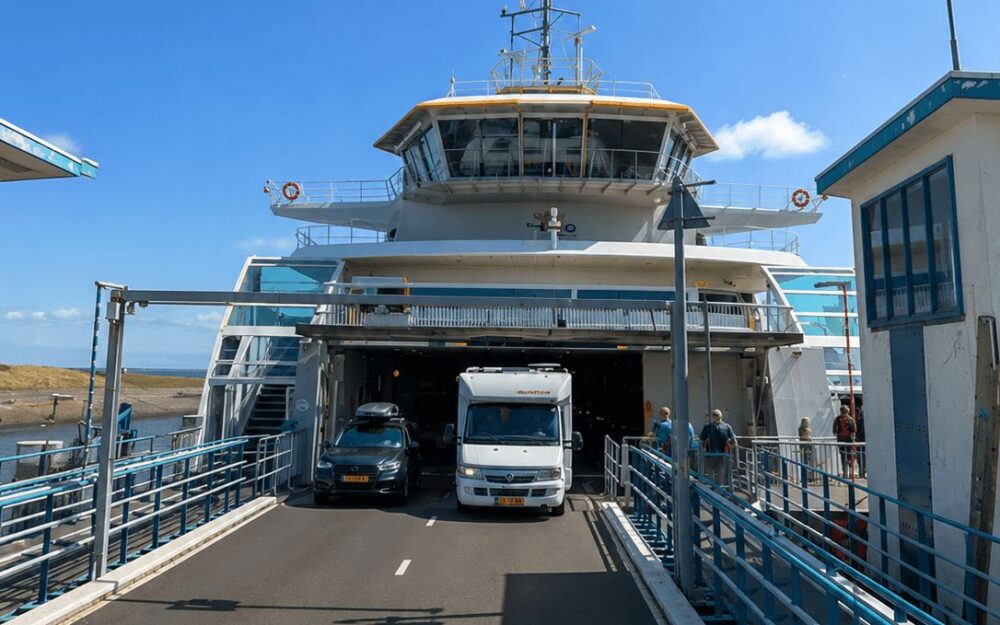

These two are the largest and most frequently compared of the Wadden Islands.
A Dutch colleague who grew up summering on Terschelling told me, with the slight defensiveness of someone discussing their home turf, that Texel gets all the foreign attention because it’s “easier,” not because it’s better. I think there’s truth in that — Terschelling’s appeal is real but requires more commitment to access, and most international visitors simply never get far enough into their Netherlands trip to justify the extra travel time.
Here’s how they actually differ.
Side-by-Side Comparison
| Factor | Texel | Terschelling |
|---|---|---|
| Access from Amsterdam | ≈ 2 hours, via Den Helder | ≈ 3–4 hours, via Harlingen (Friesland) |
| Size | Largest Wadden Island | Second largest |
| Development | More developed, more facilities | Slightly less developed |
| Landscape | Beaches, dunes, polders | Beaches, dunes, forest areas |
| Best for | Easier access, families, day-trippable from Amsterdam | Dedicated multi-day island trips, varied landscape |
Texel: The Convenient Choice
As detailed throughout our Texel guides, this island’s biggest advantage for Amsterdam-based travelers is straightforward access — roughly 2 hours via a single train-and-ferry combination, with extensive beaches and a well-developed bike network.

A cluster of working and passenger boats sharing the same quay.
Terschelling: A Dedicated Trip Destination
Terschelling holds a strong reputation, particularly among Dutch domestic travelers, for its varied landscape, which includes forested areas alongside the typical dune and beach scenery. The trade-off is meaningfully longer travel time from Amsterdam, generally requiring a trip to Harlingen in Friesland followed by a longer ferry crossing.

A wide sandy beach bordering one of the island’s dune-side holiday parks.
Which Should You Choose?
Limited time, based in Amsterdam: Texel.
Dedicated multi-day Wadden Islands trip: Either works, with Terschelling offering slightly more landscape variety.
Traveling with young kids: Texel, for the simpler, shorter journey.
Already familiar with Texel, want something different: Terschelling is the natural next destination to explore.
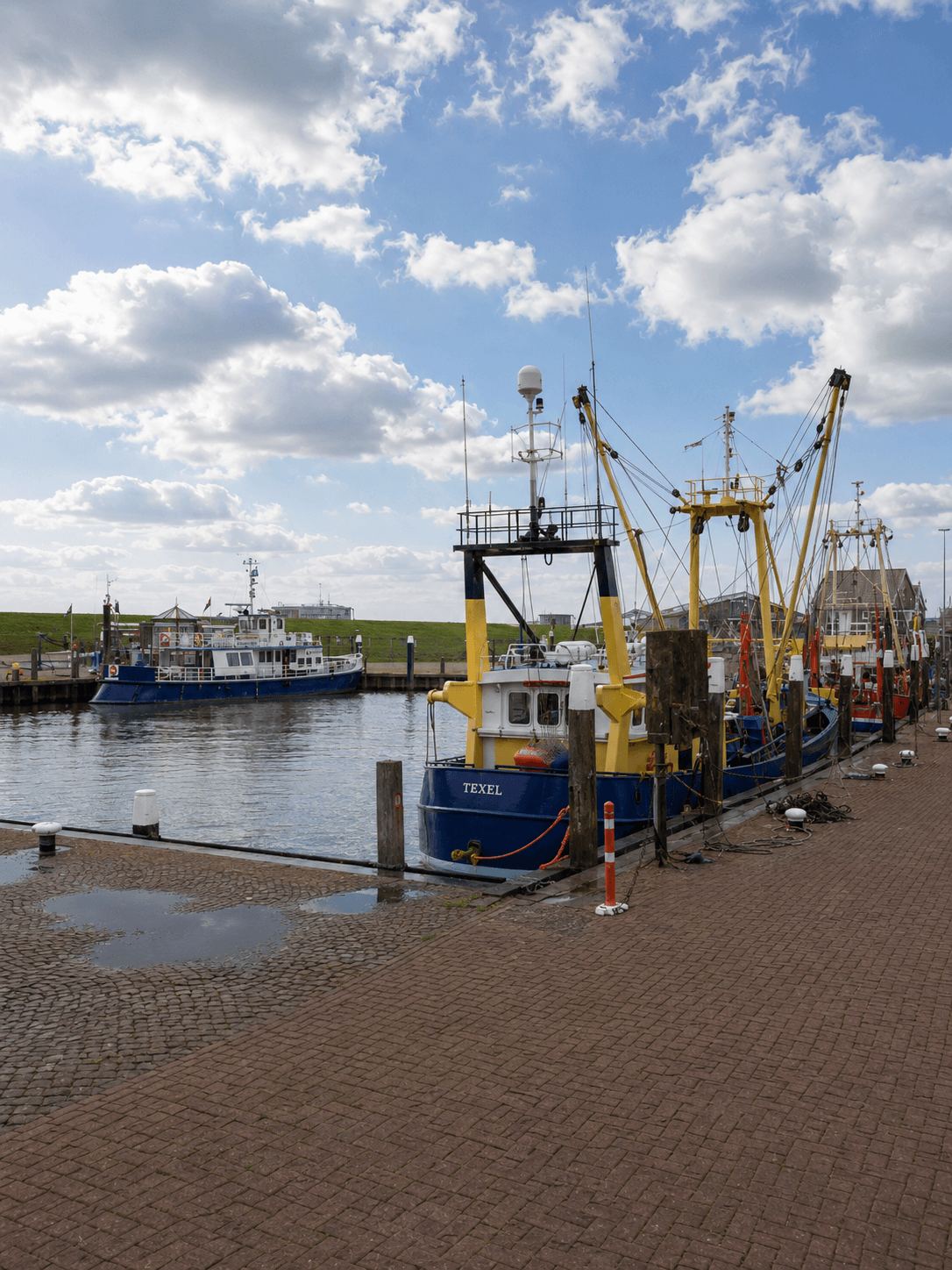
A working fishing trawler moored in the harbour.
What the two ferry journeys really mean
Texel’s ferry starts at Den Helder, while Terschelling’s mainland departure is at Harlingen. That distinction matters more to an Amsterdam-based visitor than the islands’ apparent distance on a map. Calculate the total journey from your accommodation to the correct port, the time spent waiting and crossing, and the last stage to your destination on the island. TESO uses return tickets without reserving a particular ordinary sailing; a different operator may have different booking and check-in arrangements for Terschelling. Do not assume that a timetable or vehicle rule for one ferry applies to the other. If you want only a few hours by the sea before returning to Amsterdam, assess how much of the day would actually remain after travelling. If you can stay several nights, the longer mainland journey may matter much less.
Choose the pace before the postcode
A Texel visit might focus on an accessible beach, a village and a nature area reached by car or bicycle. On Terschelling, build your visit around the accommodation and transport available to you, then check the realistic distance to the dune, beach or village you want to explore. Both islands reward time spent outside, yet an itinerary designed for one should not be copied to the other. You may want to cycle, walk, photograph landscapes or simply sit somewhere sheltered with a view. List the one or two activities that would make the trip worthwhile and see which island’s practical connections suit them. A hurried outing that covers several places from the car window can feel less rewarding than an afternoon spent properly exploring one stretch of coastline.
Accommodation and mobility can decide the trip
Check ferry arrangements, island transport and accommodation before choosing. A room close to the harbour may be convenient for luggage but farther from your intended beach; a remote stay can be delightful with the right transport and frustrating without it. Families may prefer a base with reliable meals and easy access to short activities. Cyclists should consider wind exposure and whether they can reserve suitable rental equipment; travellers with reduced mobility should verify actual step-free access along the entire route. Vehicle policies and transport availability differ between islands and can change, so look up your specific sailing and destination rather than assuming you can arrive and drive anywhere. Our Texel bike guide explains what to verify before committing to a cycle-led holiday.
How weather changes a short stay
On an island, strong wind or persistent rain may affect the most appealing outdoor activities. When the trip is short, a day of poor conditions can dominate the experience; with an overnight stay or two, you have more freedom to move a beach walk to a clearer period. Check seasonal opening times and the availability of indoor alternatives near your accommodation. A remote natural area may have no café or shelter, so dress for the conditions and carry water. Respect protected dunes and bird areas, especially when looking for a quieter route away from busy access points. For winter travel, our Texel winter guide gives a more realistic picture of short daylight and a limited daily programme.
A decision checklist that avoids false precision
Choose Texel if its Den Helder connection, a specific beach or a selected attraction fits your plan; consider Terschelling when the island’s own landscape and activities appeal enough to justify reaching Harlingen and spending the time there. Those are itinerary choices rather than an overall ranking. Compare live ferry fares and schedules, your travel date, accommodation location, onward island transport and the activities that actually matter to you. Do not trust an undated claim that one island always costs a certain amount more or is universally quieter. If you are still undecided, the Wadden island selection guide puts both choices in the wider archipelago, while our Texel assessment focuses on how much time a North Holland visitor realistically needs.
Questions to ask an accommodation provider before booking
Ask how to reach the property from the island harbour without a car, whether arrival after your chosen ferry is possible, and how you would travel to your most important beach or walking route. If you plan to cycle, check where to collect and return equipment and whether the property offers secure bicycle storage. For families, confirm the sleeping arrangements and nearby food options rather than treating “family friendly” as an exact list of facilities. These practical details can outweigh small differences in a headline ferry fare.
It is tempting to compare island atmosphere from photographs alone, but those images may have been taken in different seasons and under different weather. Choose comparable travel dates, check access to the landscapes shown and decide how much time you want to spend outside. A beach hut photographed on a calm July day tells you little about transport or shelter on a windy winter afternoon.
If you are visiting for one day, write down the time you would actually spend on the island after the mainland journey and ferry crossing. For several nights, compare accommodation and the surrounding walks rather than letting a small difference in the outbound transport decide the holiday. The most relevant comparison is between two achievable visits on the same travel dates, not between summer photographs and winter schedules.
🙋 Frequently Asked Questions (FAQ)
Is Texel or Terschelling better?
Texel is easier to reach from Amsterdam and offers more developed facilities. Terschelling has a slightly more varied landscape and a strong reputation among Dutch domestic travelers, but requires longer travel via Friesland.
Which island has better beaches, Texel or Terschelling?
Both have extensive, high-quality beaches along their North Sea coasts. The difference is more about accessibility and crowd levels than beach quality itself.
How much longer does it take to reach Terschelling than Texel from Amsterdam?
Significantly longer — Texel takes roughly 2 hours via Den Helder, while Terschelling requires travel to Harlingen in Friesland followed by a longer ferry crossing, often totaling 3 to 4 hours or more.
Can you do Terschelling as a single day trip from Amsterdam?
It’s technically possible but demanding, given the total travel time involved. An overnight stay is generally recommended over attempting a single rushed day.
Final Recommendation
For the full range of Wadden Island options, see our which Wadden Island should you visit guide.
Plan Your Visit
⛴️ Texel ferry: teso.nl
⛴️ Terschelling ferry: wpd.nl
🚂 Train & transit tickets: ns.nl
🏨 Compare accommodation prices: Booking.com
🗺️ Organised day trips & tours: GetYourGuide
🌍 Spanish-language tours & activities: Civitatis
Sources: wadden.nl | teso.nl | wpd.nl | Personal observation — Noord-Holland | Details can change; check the linked official sources before booking