Amsterdam is one of the most photographed cities in the world, which creates a specific problem: most visitors arrive with a mental image so complete that they spend their time confirming it rather than discovering anything new.
The canal selfie. The Rijksmuseum courtyard. The Anne Frank House queue. All of these are real Amsterdam. None of them are the Amsterdam that people who actually live here inhabit every day.
This guide covers both: the major attractions that genuinely deserve their reputation, and the city that exists beyond them — quieter, more intimate, and far more surprising than the tourist surface suggests.
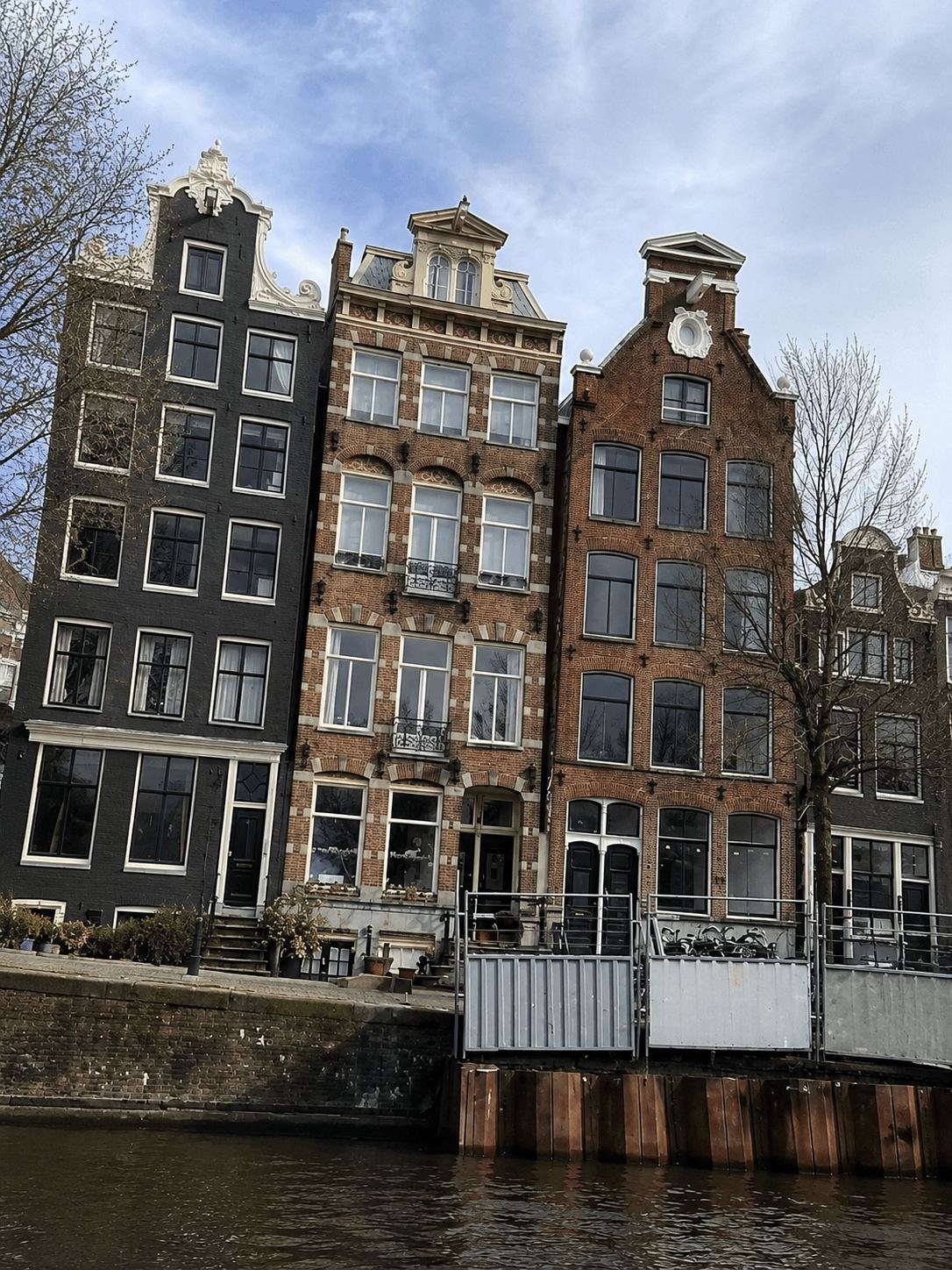
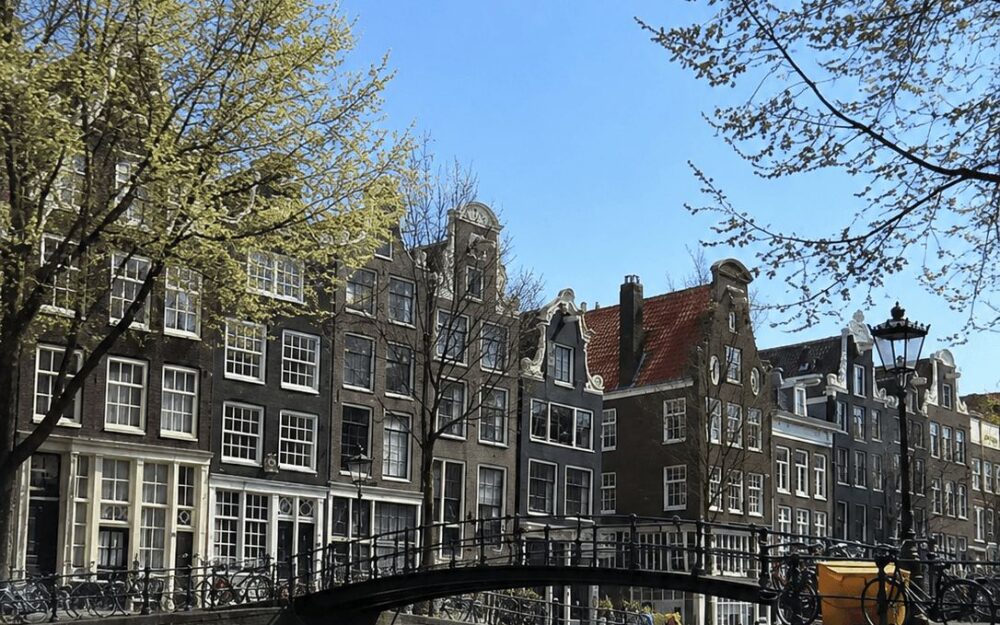
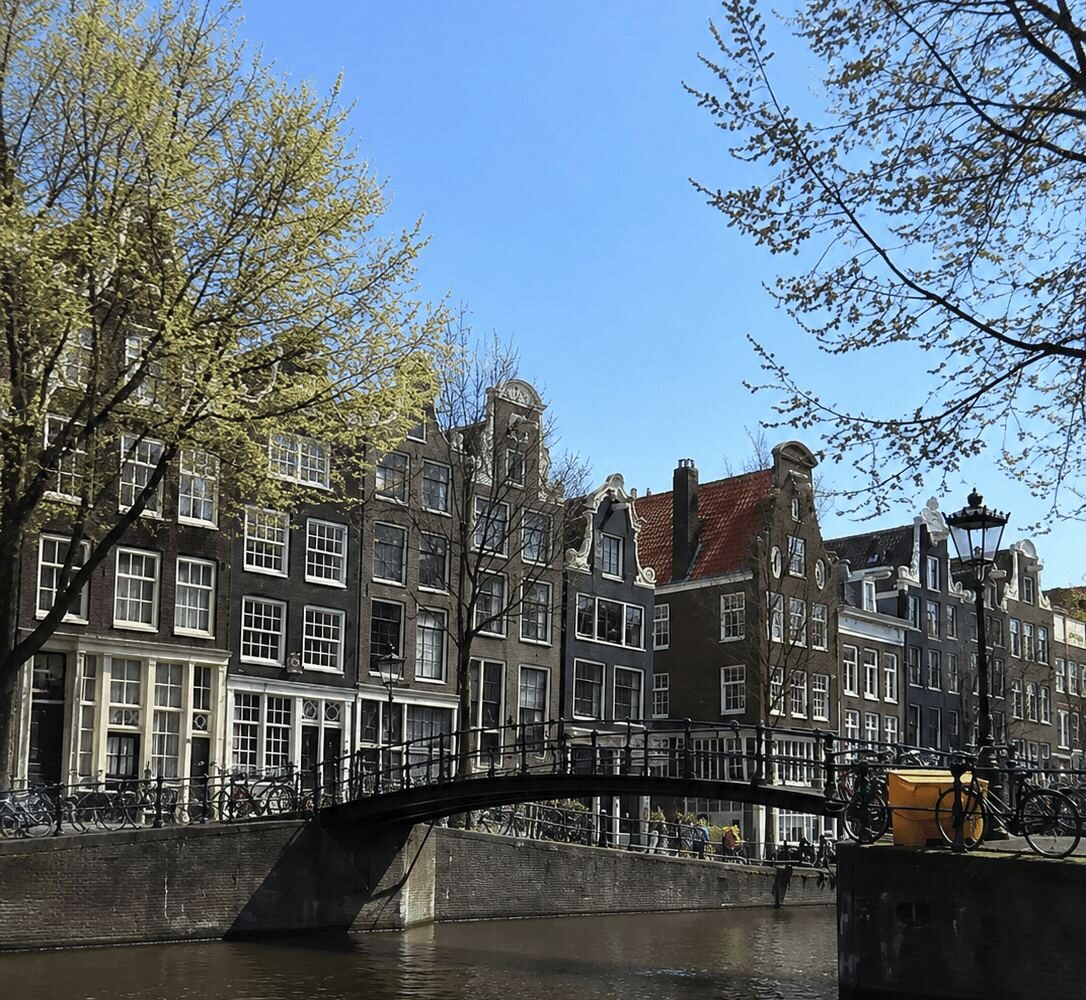
Amsterdam canal-house facades seen from the water, each with a different gable style.
Amsterdam Attractions: The Essential Overview
| Attraction | Book in Advance? | Best Time to Visit | Time Needed |
|---|---|---|---|
| Rijksmuseum | Yes — rijksmuseum.nl | Tue/Wed at 9:00 AM | 2–4 hours |
| Anne Frank House | Yes — annefrank.org (weeks ahead) | Weekday morning | 1.5 hours |
| Van Gogh Museum | Yes — vangoghmuseum.nl | Friday evening (9:00 PM close) | 2 hours |
| Begijnhof | No — free entry | 4:00–5:30 PM | 30 min |
| Tuschinski Cinema | Yes — pathe.nl/tuschinski | Evening screenings | 2–3 hours |
| Jordaan walk | No | Any weekday morning | Half day |
| Amsterdam-Noord | No — free ferry | Afternoon | Half day |
| Private canal boat | Yes — book ahead | Dusk, 7:00–9:00 PM | 90 min |
The Rijksmuseum: The Night Watch and the Golden Age
The Rijksmuseum is the national museum of the Netherlands and one of the great art institutions in the world. The collection justifies any queue — because it contains the Night Watch.
Rembrandt’s De Nachtwacht (1642) is the largest painting in the museum: 363 by 437 centimeters, with its own dedicated gallery. The figures in the foreground are approximately life-size. The light on Frans Banninck Cocq’s black coat, the depth of the composition, the suggestion of arrested movement — it requires time to absorb. Give it more than most visitors do.
The same building holds Vermeer’s The Milkmaid, works by Frans Hals and Jan Steen, and one of the finest decorative arts collections in Europe. The Gallery of Honour — the long central corridor leading to the Night Watch — is one of the most dramatic museum interiors on the continent.

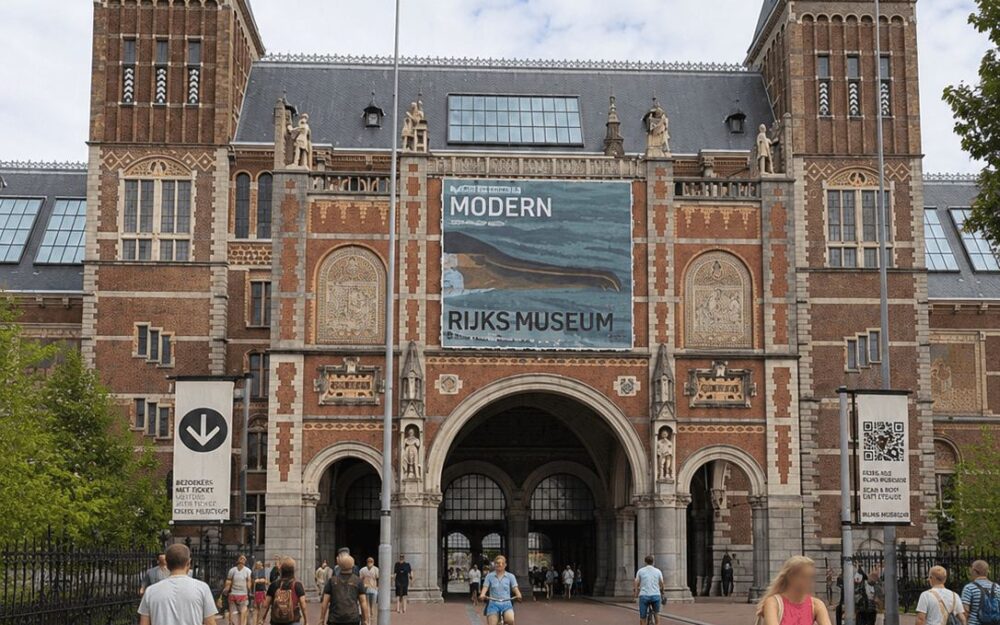
The Rijksmuseum’s famous cycle-through entrance passage — the Night Watch Gallery itself sits deep inside, at the far end of the Gallery of Honour. Book in advance.
The Anne Frank House: Why the Physical Space Matters
The Anne Frank House on the Prinsengracht receives nearly one and a half million visitors a year. The experience it provides is not comfortable. But standing in the actual rooms of the hidden annex — the actual bookcase, the actual bedroom, the original diary in a thirteen-year-old’s handwriting — creates a relationship with history that reading the diary alone cannot.
The rooms are smaller than you imagine. The scale of the concealment is harder to comprehend in person than on a page. That specificity is what makes it necessary.
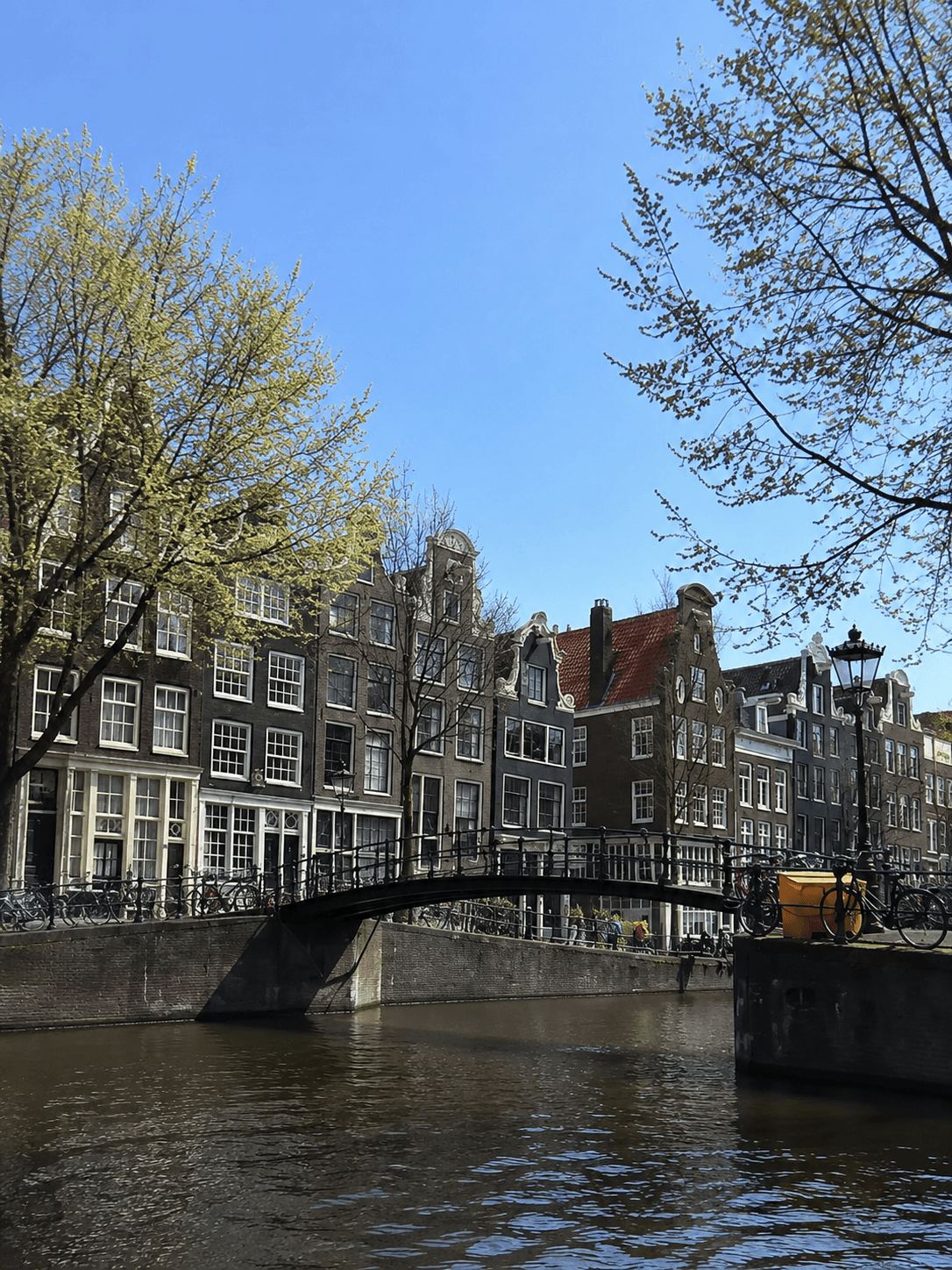
A quiet stretch of the Prinsengracht canal ring, the same waterfront the Anne Frank House sits on. Book at annefrank.org as far in advance as possible.
The Van Gogh Museum: More Than the Sunflowers
The Van Gogh Museum on the Museumplein houses the largest collection of Van Gogh’s work in the world — more than 200 paintings organized chronologically, so a visit is also a walk through the arc of a life.
The progression from the dark Dutch realism of the Potato Eaters to the color explosion of Arles is genuinely moving when experienced in sequence. The Sunflowers, The Bedroom, and Almond Blossom are all here, all significantly more affecting in person than in reproduction.
Amsterdam-Noord: Ferries, Culture and Waterfront
Free GVB ferries cross the IJ from the Centraal Station area; crossing time depends on the destination. Noord has a mix of former industrial waterfronts, newer attractions and residential districts — a former industrial waterfront transformed into the most interesting neighbourhood in the city.
NDSM Wharf is the center of gravity: a former shipyard converted into a creative campus with artist studios, restaurants, and the IJ-Hallen flea market on select weekends — one of the largest in Europe. The A’DAM Lookout on the A’DAM Tower is the best 360-degree panorama in Amsterdam. The EYE Film Institute beside the ferry landing is architecturally one of the most striking buildings in modern Amsterdam — a white angular structure cantilevered over the IJ — with a free ground-floor exhibition and a waterfront terrace offering the best reverse view of the city skyline available anywhere.
The view from the EYE terrace toward the old city — across the IJ, at dusk, with the harbor traffic between you and the skyline — is one of the best photographs you can take in Amsterdam. Almost no one who visits from the tourist circuit makes it across the water to take it.
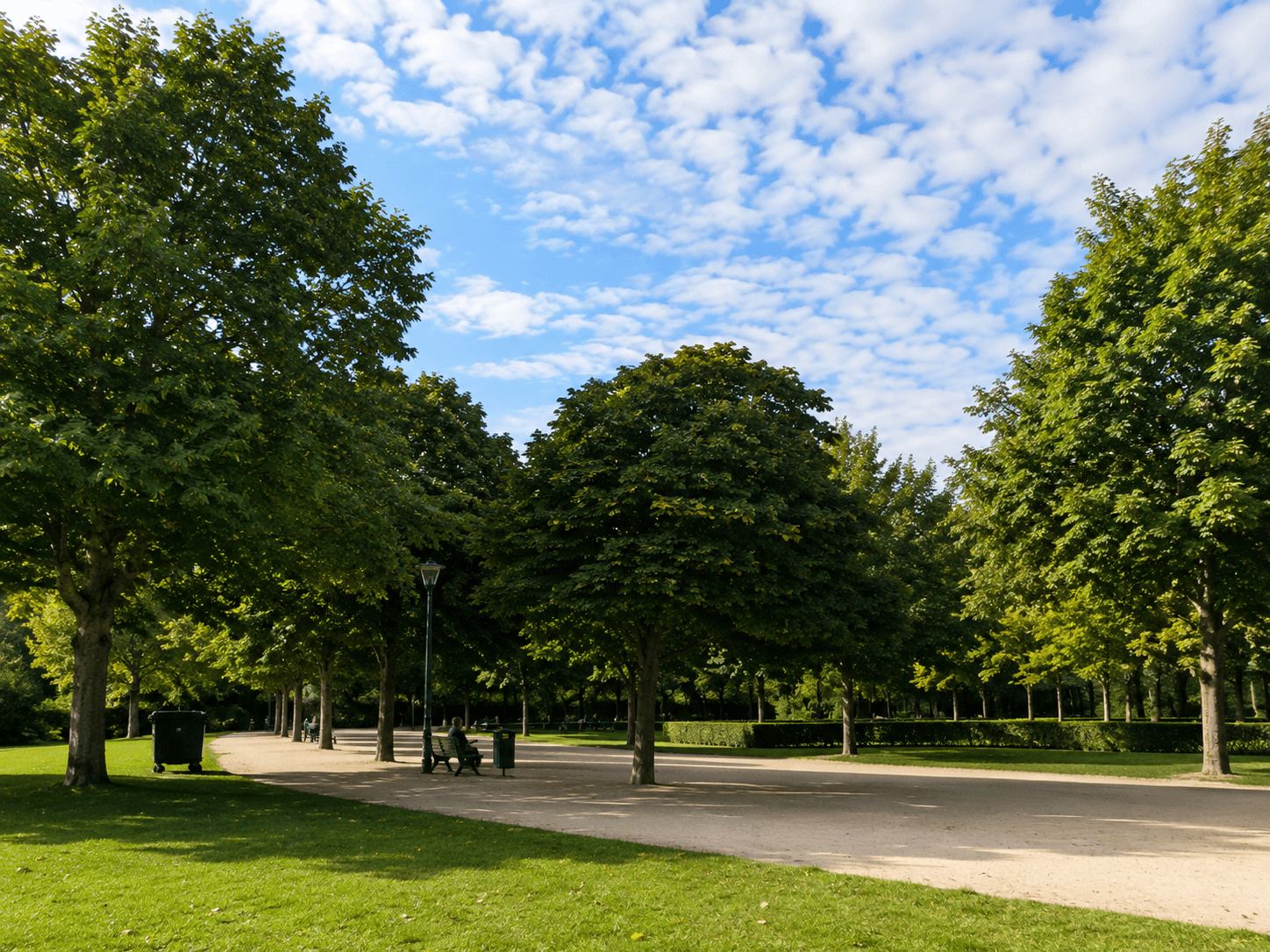
A quiet tree-lined path in an Amsterdam park.
The Begijnhof: Amsterdam’s Hidden Silence
Enter through a small wooden door on the Gedempte Begijnensloot — directly behind the Spui square, three minutes from the Kalverstraat — and the city outside disappears almost entirely.
Inside: a medieval courtyard surrounded by historic houses dating from the 15th to 17th centuries, two churches, a manicured central lawn, and the oldest surviving wooden house in Amsterdam (the Houten Huys, built around 1477). The Begijnhof was home to a community of lay religious women from the 14th century until 1971. What remains is one of the most genuinely quiet spaces in central Amsterdam.

A narrow Amsterdam street lined with tall brick buildings and neighbourhood bars.
The Jordaan: Best Neighbourhood in Amsterdam
The Jordaan was built in the early 17th century as a working-class district — narrow streets, small canals, houses for Amsterdam’s artisans, craftsmen, and Huguenot refugees. Gentrified today but physically intact. The streets are still narrow. The houses are still small. The brown cafés are still brown cafés.
Enter from the Prinsengracht at the Bloemgracht — nicknamed the Herengracht of the Jordaan for the quality of its houses — and walk west. Turn when something interests you. Every street is different from the one next to it.
The Best Brown Cafés in the Jordaan
The bruin café is a specifically Dutch institution — wooden interiors, low lighting, local clientele, an atmosphere of unhurried social ease. The three worth knowing in the Jordaan:
- Café ‘t Smalle (Egelantiersgracht) — opened 1786 as a jenever distillery. Canal terrace, original interior. The most visually perfect brown café in Amsterdam.
- Café de Tuin (Tweede Tuindwarsstraat) — larger, louder on weekend evenings, outstanding bitterballen. More local than ‘t Smalle, less photogenic.
- Café Pieper (Prinsengracht) — opened 1665. Original Delft tile work on the interior walls. One of the oldest functioning cafés in the city.
The Jordaan Hofjes: Hidden Courtyards
The Jordaan has more hofjes — hidden almshouse courtyards behind unmarked street doors — per square kilometer than almost any neighbourhood in the Netherlands. Most visitors walk past them entirely without realizing what lies behind.
- Hofje van Brienen (Prinsengracht 89–133) — largest and most classical, entered through a door in an ordinary canal-house facade.
- Claes Claeszhofje (Egelantiersgracht) — smaller, more intimate, 17th-century cottages around a herb garden.
Convention: enter quietly, do not photograph residents, leave as you found it.
The best conversations I have had in Amsterdam — the ones that lasted until midnight without anyone noticing — started in brown cafés in the Jordaan on Tuesday evenings when there was no particular plan.

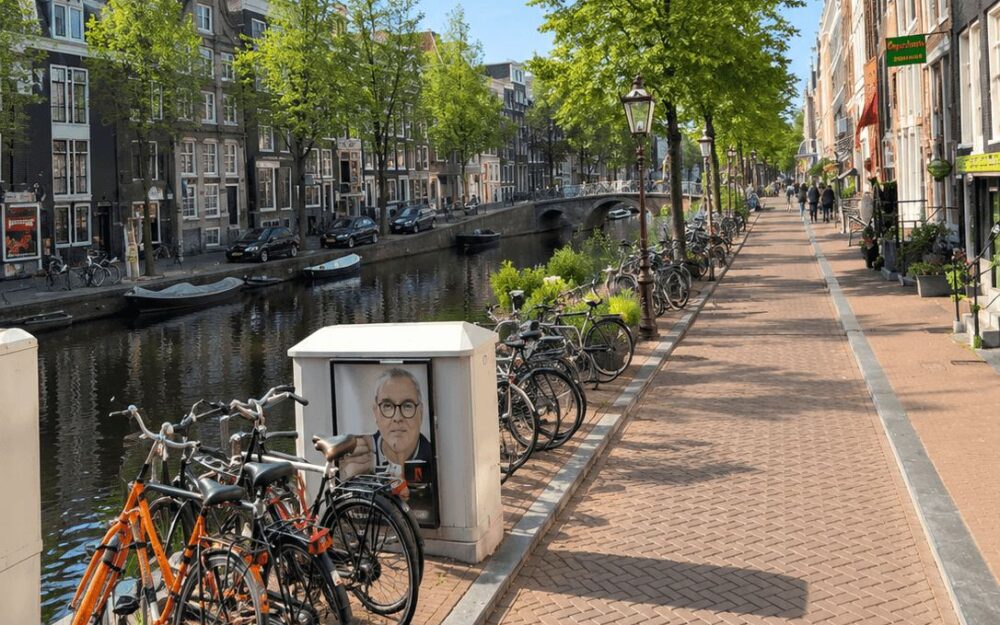
Bicycles beside an Amsterdam canal under fresh spring foliage.
The Tuschinski Cinema: Amsterdam’s Most Extraordinary Seat
The Royal Theater Tuschinski on the Reguliersbreestraat (1921) is not just a cinema. It is one of the most extraordinary interiors in Amsterdam — Moorish arches, hand-painted ceiling murals, ornate balconies, a heavy curtain that rises before the screen. Theater 1 has never been renovated into blandness.
The detail that elevates it from beautiful to genuinely unforgettable: the love seat — a private two-person sofa in a small balcony box on the upper level. An elevated view over the entire auditorium, personal service, and the knowledge that the building has been showing films since 1921.
Private Canal Boating: How to Do It Right
Several operators on the Prinsengracht and Leidsekade rent small electric sloepen by the hour. The electric motors are silent. The pace allows conversation. The canal network is navigable in any direction.
The best route at dusk: west along the Prinsengracht, north to the Brouwersgracht — the most beautiful canal in Amsterdam, narrower and more residential than the main ring — then east along the Herengracht toward the Amstel. Full loop: approximately 90 minutes.
The Brouwersgracht at 8:00 PM on a June evening — the light is horizontal, the houseboats lit up, the bridges reflected in the water. This is the Amsterdam the photographs are trying to capture and never quite do.

Canal-ring stoop architecture typical of the Herengracht and Prinsengracht — steep front steps built to keep the raised ground floor dry during high water.
Best Restaurants in Amsterdam: Where Locals Eat
The best restaurants in Amsterdam are not on the Leidseplein or the Rembrandtplein. They are in the Jordaan’s side streets and the lanes south of the Spui. The single most reliable indicator of a kitchen that has given up on locals: a menu in the window in English with photographs. Walk two streets in any direction and you will find something better.
Tia Rosa
Spanish-influenced food with genuine understanding of the source material — specific tapas, a thoughtful wine list, warm atmosphere. An early dinner here often becomes a longer evening.
Julius Bar & Grill
High ceilings, a bar where the bartenders are doing something more interesting than pouring from bottles. Focused menu — meat, fish, grilled vegetables — executed with precision. Good for a dinner where you want energy and quality in equal measure.
Café Caron
Does exactly what a French brasserie should do: reliably and without ceremony. Among the better steak-frites in Amsterdam. The Jordaan street terrace is one of the better places to eat in the neighbourhood on a warm evening.
O Bistro
Tight menu built around what is good today. Technically confident cooking without performing it for the room. The kind of restaurant that food people recommend to each other. Book in advance.
Eetcafé Het Pakhuis
A beautifully converted warehouse — high ceilings, exposed beams, warm brick-and-wood interior. Dutch eetcafé cooking at its best: generous portions, honest prices, hutspot, stamppot and fish dishes. A loyal local clientele for years.
Vondelpark, the Negen Straatjes and the Bloemenmarkt
Vondelpark: Amsterdam’s Living Room
A 47-hectare landscaped park functioning as Amsterdam’s living room. The Blauwe Theehuis — a 1930s Art Deco café on stilts over the main pond — is the best place to sit. The Openluchttheater runs free concerts and theatre from June to August. Check openluchttheater.nl. Best in May when the rose garden is in bloom.
The Negen Straatjes (Nine Streets)
Nine short connecting streets between the four main canals of the western canal ring — the highest concentration of genuinely independent retail in Amsterdam. Vintage clothing, specialty food, bookshops, design studios. Huidenstraat, Wolvenstraat and Runstraat are the most interesting. Best on a weekday afternoon.
The Bloemenmarkt
The floating flower market on the Singel — more tourist-oriented than a decade ago, but still selling genuine Dutch bulbs and cut flowers from permanently moored barges. Worth fifteen minutes combined with a walk along the Singel. Good source for tulip bulbs packaged for travel if you want to take them home.
Amsterdam’s Canal Houses: Understanding What You’re Looking At
The canal ring was built between 1613 and the 1660s — the most ambitious urban expansion in 17th-century Europe. The narrow facades, stepped gables, and large upper-floor windows reflect the specific requirements of a trading culture in which every meter of canal frontage was worth money.
The section of the Herengracht between the Vijzelstraat and the Amstel — the Golden Bend (Gouden Bocht) — contains the largest houses in the ring, built on double plots by merchant families signaling exceptional wealth. Walking this section slowly costs nothing and delivers more genuine architectural history than most guided tours.
Amsterdam Itinerary: Two Days in the City
| Day 1: The Essentials | Day 2: The Hidden City |
|---|---|
| 9:00 AM — Rijksmuseum (pre-booked, 2 hrs) | 9:30 AM — Begijnhof (30 min) |
| 12:00 PM — Lunch near the Museumplein | 10:30 AM — Jordaan walk, hofjes |
| 1:30 PM — Van Gogh Museum (pre-booked, 2 hrs) | 12:00 PM — Café ‘t Smalle, Negen Straatjes |
| 4:00 PM — Vondelpark, Blauwe Theehuis | 2:30 PM — Free ferry to Amsterdam-Noord |
| 5:30 PM — Anne Frank House (pre-booked) | 3:00 PM — EYE terrace, A’DAM Lookout, NDSM |
| 7:30 PM — Dinner: Julius Bar & Grill or O Bistro | 6:30 PM — Private canal boat, Brouwersgracht route |
| 9:30 PM — Tuschinski Cinema (pre-booked) | 8:30 PM — Dinner: Tia Rosa / Café Caron / Het Pakhuis |
🛑 The Biggest Mistakes to Avoid in Amsterdam
- Not booking museums in advance. The Rijksmuseum, Anne Frank House and Van Gogh Museum all require advance booking — year-round. The Anne Frank House sells out weeks ahead. Never assume you can buy at the door.
- Eating where the menu has English photographs. Walk two streets in any direction. You will find something better and cheaper.
- Skipping Amsterdam-Noord. Free ferry, three minutes. The A’DAM Lookout, EYE Film Institute and NDSM Wharf are all worth the crossing. Noord is the most exciting neighbourhood in the city right now.
- Missing the Jordaan hofjes. Free, extraordinary, and found behind unmarked doors that almost no visitor notices.
- Visiting in peak summer without a plan. Start before 9:00 AM. Avoid the Leidseplein and Rembrandtplein. Spend your time in the Jordaan, De Pijp and Noord where the crowd density is significantly lower.
Book the Hard-to-Get Visit Before Designing the Walking Route
The Anne Frank House is not a museum to treat as a spontaneous stop between two canals. Admission is sold through the official museum website for a specific time slot. If it is central to your visit, secure that ticket first and only then build the surrounding hours. The Rijksmuseum and Van Gogh Museum are also worth checking early for their own reservation rules; buying a transport pass or a different museum card does not automatically reserve a place in either one. Keep enough time to travel between museums and avoid stacking several emotionally demanding visits in a single afternoon.
For a practical first day, choose one anchor attraction, one neighbourhood walk and one indoor fallback. The museum district pairs naturally with Vondelpark and nearby streets; a Jordaan walk can be combined with the canal belt and an evening meal; a visit to Noord deserves its own block because the ferry crossing and the walk to your actual destination both take time. This is a planning framework, not a checklist to complete regardless of your interests.
Amsterdam Beyond One Famous Postcard View
The city’s canal belt is beautiful, but you understand it better when you look beyond the façade. Notice how narrow plots create tall houses, how former warehouses differ from residential buildings, and how bridges and water level shape the street pattern. A slow walk with frequent stops is often more useful than rushing past many photogenic locations. In busy streets, keep photography brief and leave cycle lanes clear; a bicycle bell behind you is usually a practical request to move, not background ambience.
If the weather changes, replace the park segment with a museum or cinema instead of changing your entire day. For rainy-day options, use our separate guide. If you are arriving through the airport, the Schiphol transfer comparison explains how to reach the city before your sightseeing begins.
Planning check: Anne Frank House official tickets. Information in this guide can change; check official schedules and admission details for your travel date.
Practical Questions Before You Go
What are the best things to do in Amsterdam?
The Rijksmuseum (Night Watch by Rembrandt, Vermeer, the Gallery of Honour), the Anne Frank House (book weeks ahead), the Van Gogh Museum (Friday evenings are quietest), a walk through the Jordaan and its hidden hofjes, the Begijnhof courtyard, a private canal boat on the Brouwersgracht at dusk, and the free ferry to Amsterdam-Noord for the EYE Film Institute and A’DAM Lookout.
Which Amsterdam museum is worth it most?
Both the Rijksmuseum and Van Gogh Museum are world-class. The Rijksmuseum gives you breadth — the full Dutch Golden Age, including the Night Watch. The Van Gogh Museum gives you depth — one artist, one life, presented with exceptional intelligence. The Anne Frank House is a different category: historically necessary rather than aesthetically remarkable. Book all three.
How do I get Anne Frank House tickets?
Book at annefrank.org as far in advance as possible — tickets release eight weeks ahead and sell out quickly in peak season. If your dates are sold out, same-day tickets release daily at 9:00 AM Amsterdam time. You need to be online precisely at 9:00 AM and move immediately.
What is the best neighbourhood in Amsterdam?
The Jordaan for its combination of brown cafés, hidden hofje courtyards, independent shops and canal architecture. Amsterdam-Noord for the city’s most exciting new development — NDSM Wharf, A’DAM Lookout, EYE Film Institute. De Pijp for the Albert Cuyp market and the most diverse food scene in the city.
What is the Tuschinski Cinema love seat?
A private two-person sofa in a balcony box in Theater 1 of the Royal Theater Tuschinski (1921). The most distinctive cinema experience in Amsterdam — an elevated private position above the full Art Deco auditorium. Book at pathe.nl/tuschinski. Sells out for weekend evening screenings.
What is the Begijnhof in Amsterdam?
A medieval walled courtyard entered through an unmarked door on the Gedempte Begijnensloot, containing some of the oldest houses in Amsterdam (the Houten Huys, built around 1477) and a quality of silence entirely at odds with its central location. Free to enter, open during daylight hours. Visit between 4:00 and 5:30 PM.
What is the best way to see Amsterdam by canal?
Rent a small private electric sloep from operators on the Prinsengracht or Leidsekade. Best route: Prinsengracht → Brouwersgracht → Herengracht → Amstel. About 90 minutes. Book ahead, particularly in summer. Avoid large commercial tour boats.
What are the best restaurants in Amsterdam?
Tia Rosa (Spanish tapas, Jordaan area), Café Caron (French brasserie, reliable steak-frites), O Bistro (seasonal Dutch kitchen, book ahead), Julius Bar & Grill (grill and cocktails, city center), Eetcafé Het Pakhuis (Dutch classics in a converted warehouse).
Is Amsterdam-Noord worth visiting?
Yes. Free ferry from Centraal Station, three minutes. NDSM Wharf (creative campus, IJ-Hallen flea market), A’DAM Lookout (best panorama in Amsterdam), EYE Film Institute (best modern architecture on the waterfront, free ground-floor exhibition, outstanding terrace). The most genuinely exciting neighbourhood in the city in 2026.
How many days do you need in Amsterdam?
Two full days cover the major museums and one or two neighbourhoods properly. Three days lets you add Amsterdam-Noord, De Pijp and the Negen Straatjes without rushing. Four days is comfortable for everything in this guide at a relaxed pace.
Before You Leave: Amsterdam Travel Guide Summary
9:00 AM — Rijksmuseum (pre-booked). Night Watch Gallery. Gallery of Honour. Vermeer room. Two hours.
11:30 AM — Walk to the Begijnhof via the Spui. Enter from the Gedempte Begijnensloot. Thirty minutes. Sit on the bench. Say nothing.
12:15 PM — Cross the Prinsengracht into the Jordaan. Walk the Bloemgracht. Find the Hofje van Brienen door.
1:00 PM — Lunch at Café ‘t Smalle canal terrace or a Negen Straatjes side street. Look for chalkboard menus.
2:30 PM — Free ferry from Centraal to Amsterdam-Noord. A’DAM Lookout. EYE Film Institute terrace for coffee. NDSM Wharf.
5:30 PM — Return by ferry. Private canal boat from the Prinsengracht. Brouwersgracht route at dusk. 90 minutes.
7:30 PM — Dinner: Tia Rosa / Café Caron / O Bistro / Het Pakhuis / Julius Bar & Grill.
9:30 PM — Tuschinski Cinema (pre-booked). Arrive twenty minutes early. Walk the full lobby.
Book Your Amsterdam Visit
🏛️ Rijksmuseum: rijksmuseum.nl
✡️ Anne Frank House: annefrank.org
🎨 Van Gogh Museum: vangoghmuseum.nl
🎬 Tuschinski Cinema: pathe.nl/tuschinski
🚤 Private canal boats: search “sloepverhuur Amsterdam”
🎥 EYE Film Institute Noord: eyefilm.nl
🌿 Vondelpark open-air theatre: openluchttheater.nl
🛍️ Negen Straatjes: theninestreets.com
🏨 Hotels in Amsterdam: Booking.com
🗺️ Amsterdam tours: Viator or GetYourGuide
Sources: rijksmuseum.nl | annefrank.org | vangoghmuseum.nl | pathe.nl | eyefilm.nl | theninestreets.com | Personal observation — Amsterdam, Noord-Holland